Delivery from €16.90 per winemaker in Europe (excluding the United Kingdom)

Unbeatable !
WINE TASTING: HOW TO "BLOW THE WHISTLE" ON YOUR WINE EXPERT FRIEND
How to Properly Taste Wine
We all likely have someone in our circle—be it a friend, uncle, or neighbor—who is a wine expert. So when this person brings a fine bottle, it's essential to know the basics to avoid making any mistakes or errors in judgment.
1) Observe and Comment
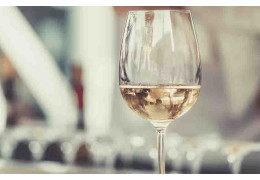
You may have seen your friends raise their glass before drinking. This isn’t just to check if the glass is clean or for toasting, but to examine the wine's color, known as its "robe." Here are some terms that might help you describe a wine’s robe: purple, garnet, ruby (red wine); golden, lemon, or amber (white wine); salmon, raspberry, or orange (rosé wine). A tip: to fully appreciate the robe, place your glass in the light against a white background, like a wall or a sheet of paper. You can also describe its intensity as brilliant, clear, or dark.
Knowing the vocabulary is one thing, but understanding what it signifies is crucial. The analysis of the robe can give you many insights about the wine you're tasting. For example, a Burgundy red wine typically has a lighter robe compared to a Bordeaux, which usually has a darker color. Sometimes, the robe can also hint at the wine's age or alcohol content. A white wine with a brownish robe may suggest it has started to evolve.
2) Test Your Senses...
You might find it unusual when wine aficionados bury their noses in their glasses, but this step, known as "the nose," is essential for assessing a wine's quality. It helps detect any defects in the wine, which often become apparent through smell, though tasting is still recommended for confirmation. If you detect a musty, corky, or rotten odor, it's likely the wine is faulty (for more on detecting a corked wine, click here). The nose also provides clues about a wine’s aging potential.
If you’re used to smelling the wine but don’t find it revolutionary, don’t give up too quickly. Take your time, swirl the wine in your glass once or twice, and smell again. You might be surprised at the additional aromas that emerge. This is known as the "second nose." Typically, you'll detect fruity or floral aromas, which are the primary aromas from the grape variety. For red wines, you have a 95% chance of smelling red or black fruit notes like blackberry or strawberry. For white wines, expect to find yellow fruits (peach, apricot) or citrus fruits (lemon, grapefruit) and white flowers.
3) Count!
"Can I taste it now?" Yes, after carefully observing and smelling the wine, it’s time for tasting. But be aware, evaluating a wine’s taste is no small task. Focus on two essential aspects: its balance and its length on the palate. Take a sip and let it cover your entire tongue. Concentrate and try to analyze what you taste: is it bitter, sweet, astringent, or acidic? These questions help assess a wine’s balance or harmony—an important quality criterion sought by most winemakers, except when they want to emphasize a particular flavor. After this initial impression, keep the wine in your mouth and draw in a little air. This somewhat noisy technique, known as retro-olfaction, helps identify the wine’s aromas.
Now, it’s time to consider the length on the palate. You may have noticed that some aromas linger longer in your mouth when tasting a wine. In oenology, this phenomenon, also known as "aromatic persistence," is measured in caudalies (1 caudalie = 1 second). Taste the wine again and count in your head until the sensations on your taste buds fade. Once you’ve finished, you can evaluate its aromatic persistence. A wine is considered "good" if its aromatic persistence is equivalent to or exceeds 6 caudalies. Beyond 10, it is considered exceptional.
Our nuggets
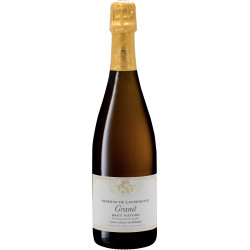
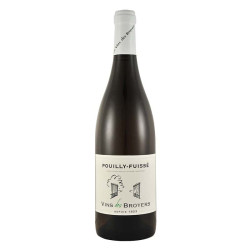
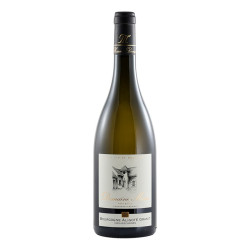
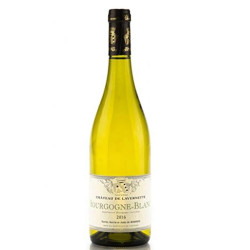
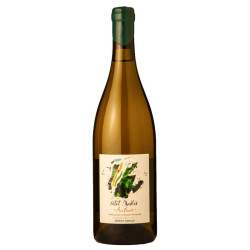
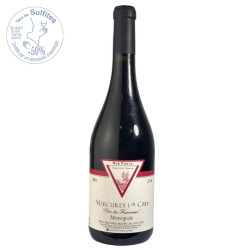
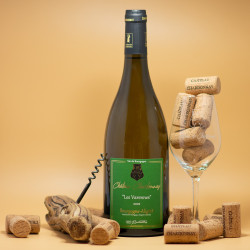
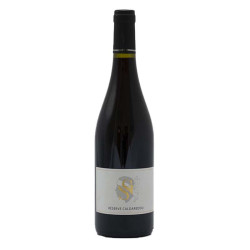
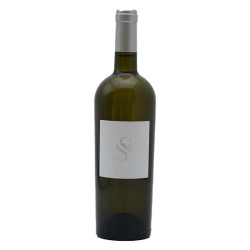
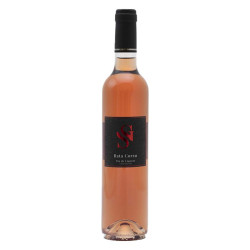
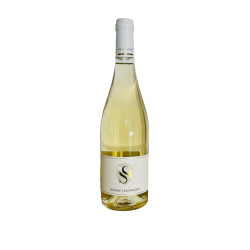
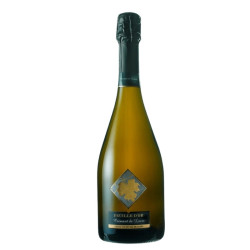
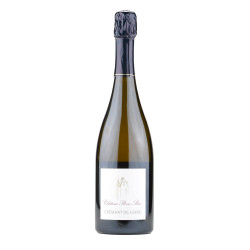
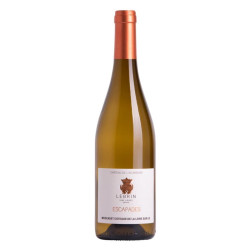
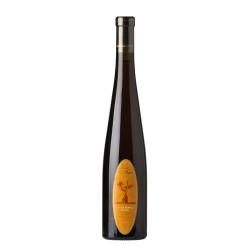
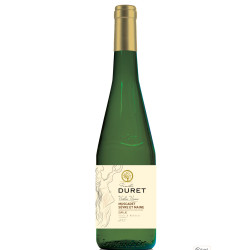
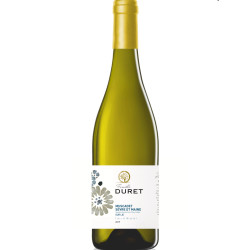
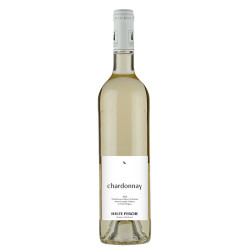
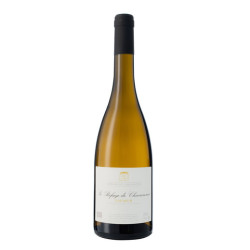
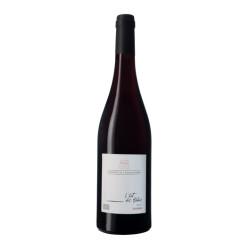
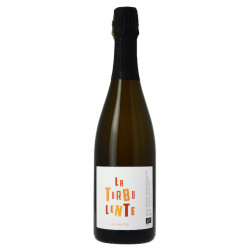
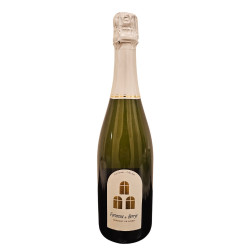
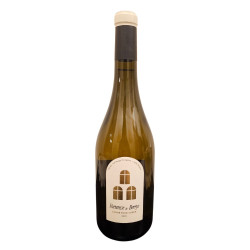
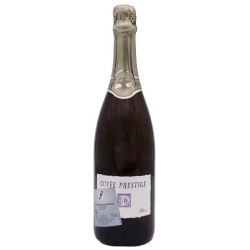
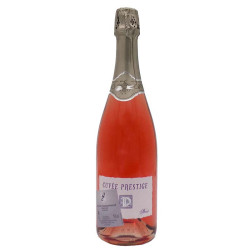
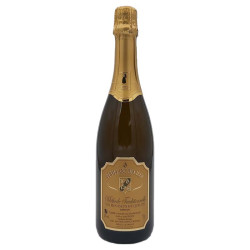
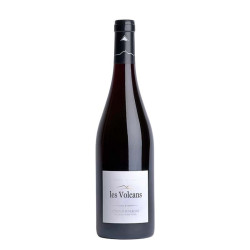
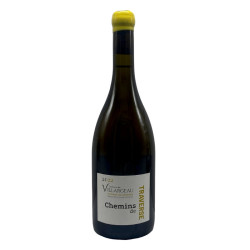
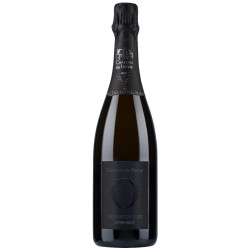
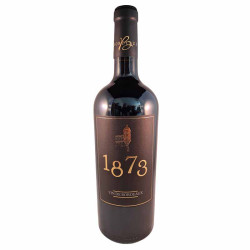
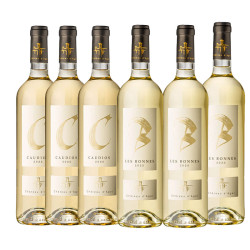
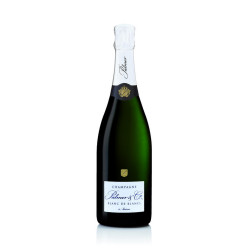
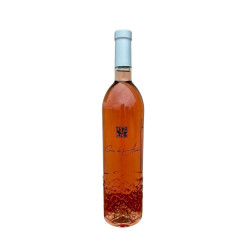
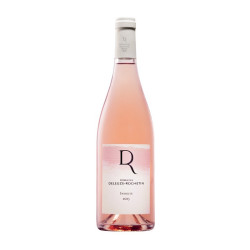
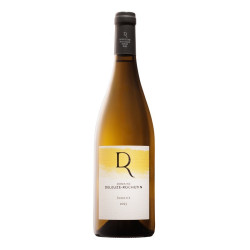
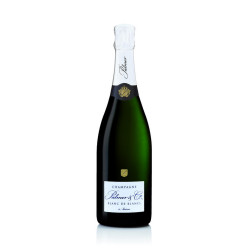
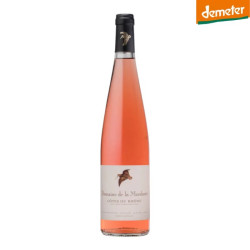
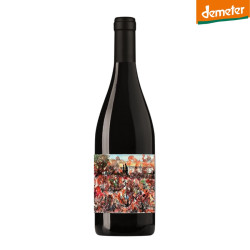
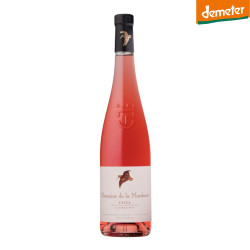
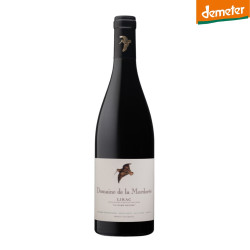
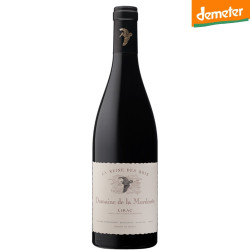
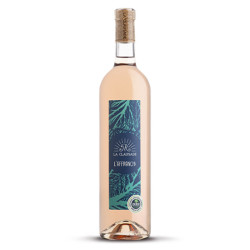
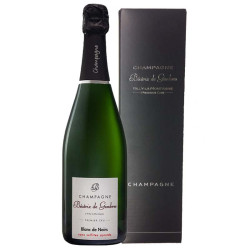
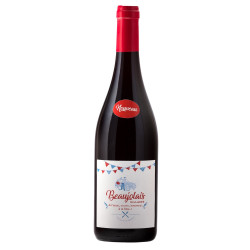
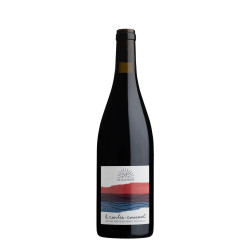
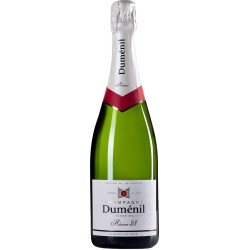
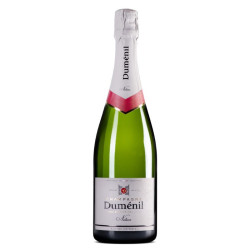
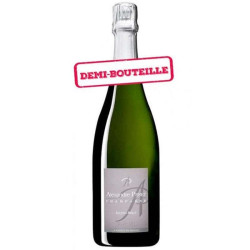
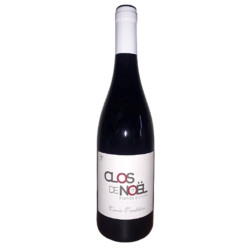
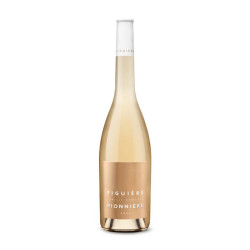
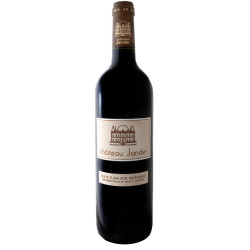
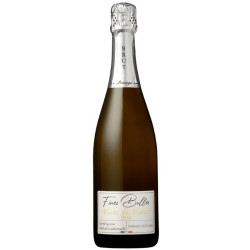
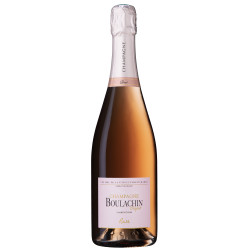
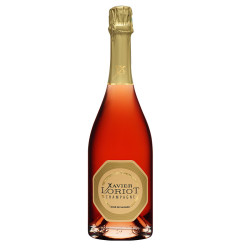
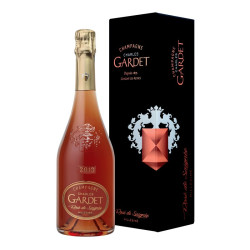
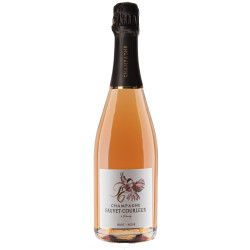
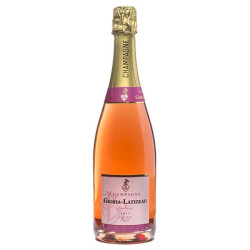
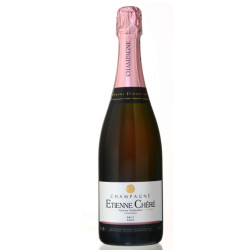
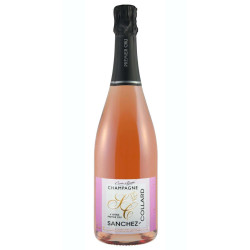
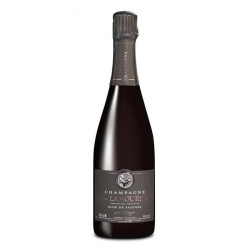
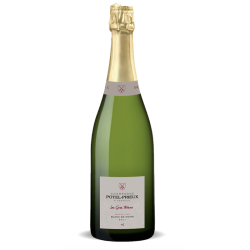
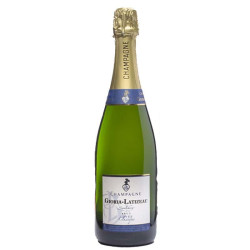
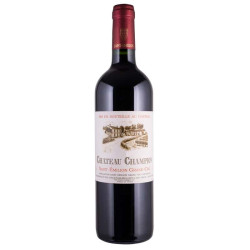
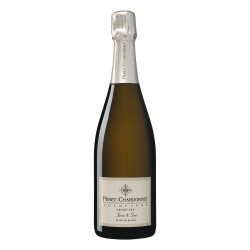
Penet-Chardonnet Grand Cru - Terroir & Sens Blanc de Blancs Extra Brut
LA MAISON PENET
Champagne
€98.00

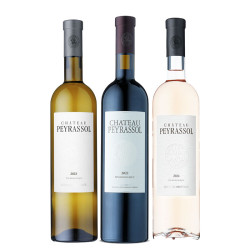
Coffret Château Peyrassol
Maison Austruy - Commanderie de Peyrassol
Provence Alpes Côte d'Azur
€69.00
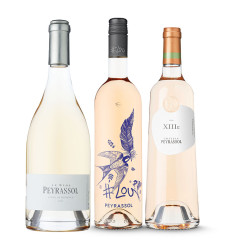
A la découverte du Rosé Peyrassol
Maison Austruy - Commanderie de Peyrassol
Provence Alpes Côte d'Azur
€68.00
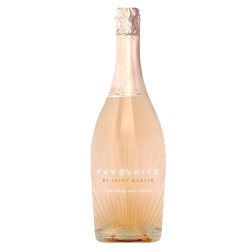
Favorite Sparkling Rosé – Désalcoolisée 0%
Château de Saint-Martin
Provence Alpes Côte d'Azur
€29.90
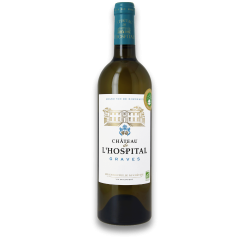
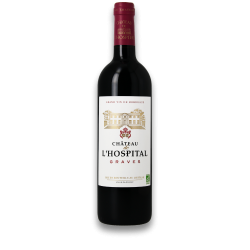
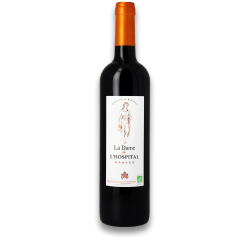
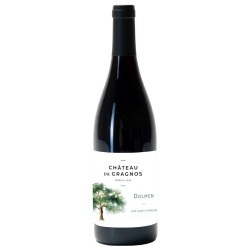
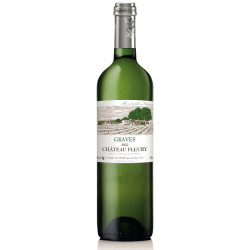
Château Fleury 2022 Graves blanc sec - Vignobles Olivier Fleury
Les Vignobles Olivier Fleury
Bordeaux
€36.00
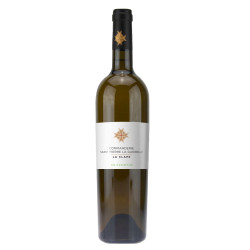
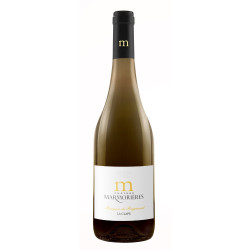
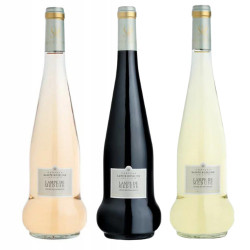
Commanderie Saint Pierre La Garrigue - Cru d'Exception Blanc
Domaine de Marmorières
Languedoc Roussillon
€32.00
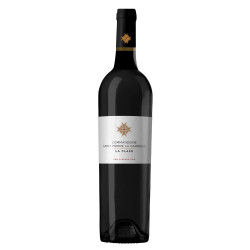
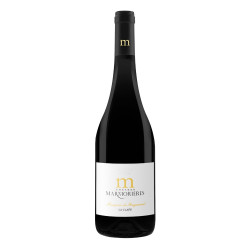
Commanderie Saint Pierre La Garrigue - Cru d'Exception Rouge
Domaine de Marmorières
Languedoc Roussillon
€32.00
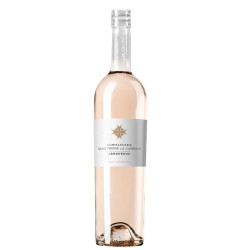
Commanderie Saint Pierre La Garrigue - Cru d'Exception Rosé
Domaine de Marmorières
Languedoc Roussillon
€16.00