Delivery from €16.90 per winemaker in Europe (excluding the United Kingdom)

Unbeatable !
WHAT ARE THE DIFFERENCES BETWEEN CHAMPAGNE AND OTHER SPARKLING WINES?
Understanding the Essence of Champagne
The Intriguing Slogan of Champagne
"Champagne only comes from Champagne." This evocative and mysterious slogan from the Champagne Interprofessional Committee prompts a thought-provoking question: Can you distinguish Champagne from other sparkling wines? Or should we refer to them as sparkling wines, bubbly wines, crémants, or mousseux? In the rich world of sparkling wines, terms like crémants and Champagnes are numerous. While the Champagne designation is widely recognized, it stands out due to its storied history. But what exactly differentiates Champagne from other sparkling wines? How can you identify a true Champagne, whether it’s brut, dry, rosé or organic?
The Unique History of Champagne
The history of the Champagne region is unparalleled. The first King of France was crowned in Reims. For nearly a thousand years, royal coronations took place there under the auspices of the church. In those times, the vineyards were overseen by the clergy. It was at these grand receptions that Champagne wines literally earned their noble status and festive reputation. Through the discovery of innovative fermentation, disgorging, and dosage techniques, Champagne winemakers were able to master the production of sparkling wines and present them to high society. As a wine for grand and significant occasions, Champagne quickly became the only choice for celebrating historic moments. Today, many regions and producers craft high-quality sparkling wines and vintages, but Champagne remains the historical flagship of sparkling wine expertise and reputation.
Champagne: A Controlled Designation of Origin
At the dawn of Champagne's success, many producers sought profit from the production and sale of sparkling wines. To protect their unique terroir and craftsmanship, Champagne winemakers have long worked to defend the Champagne name and its iconic cork. By 1845, it became illegal to use the term Champagne for wines outside the region. In 1927, the region was legally defined, and in 1936, Champagne was officially recognized as a controlled designation of origin. This designation now allows us to distinguish a sparkling wine from the Champagne region from others. What sets a bottle of Champagne apart is thus the assurance of its Champagne terroir origin and the strict adherence to standards from vine cultivation to commercialization, including a mandatory minimum aging period of 15 months on lees.
Our nuggets
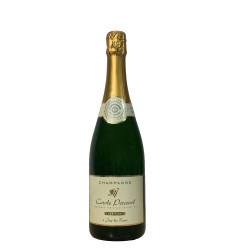
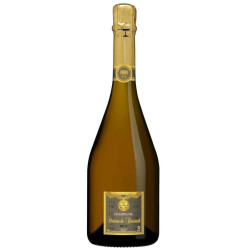
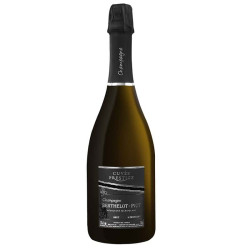

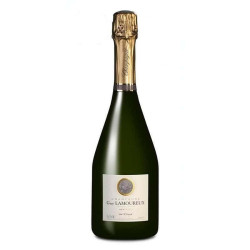
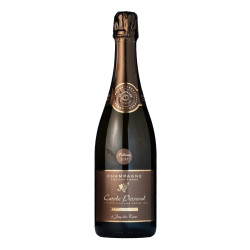
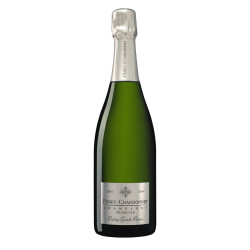
Penet-Chardonnet Grand Cru - Prestige Grande Réserve Multimillésime
LA MAISON PENET
Champagne
€135.00