Delivery from €16.90 per winemaker in Europe (excluding the United Kingdom)

Unbeatable !
WOULD YOU LIKE ANOTHER GLASS OF WINE ?
Every year on March 17, it's St. Patrick's Day, a grand celebration of Ireland's patron saint.
Even though wine isn’t the traditional drink for this holiday, we’ve decided to embrace the color green, emblematic of Ireland, for this day. We’ve also noticed several connections between wine and the color green. Here they are.
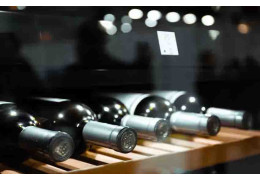
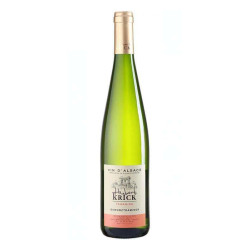
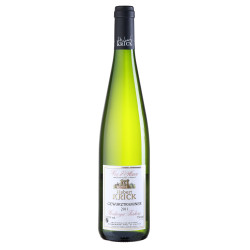
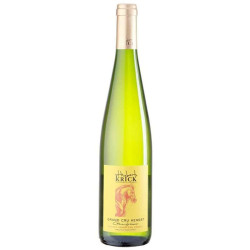
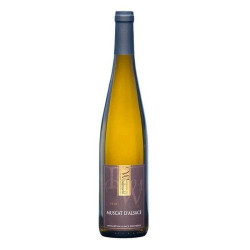
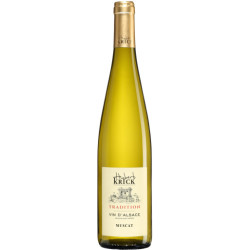
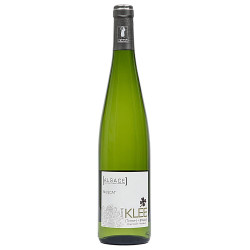
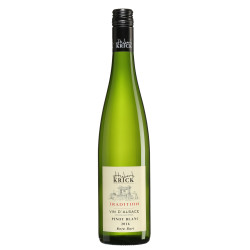
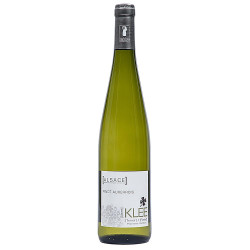
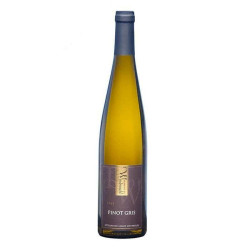
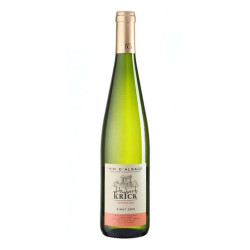
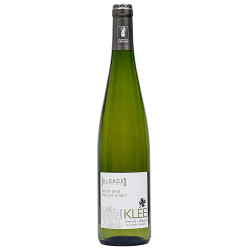
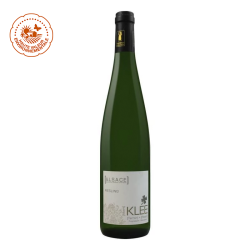
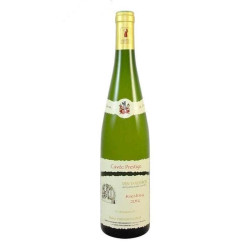
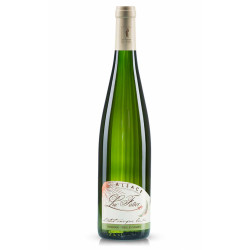
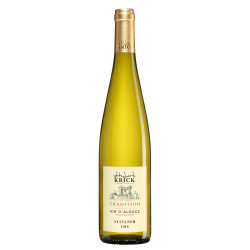
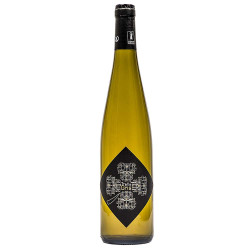
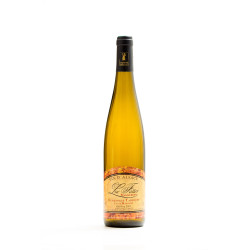
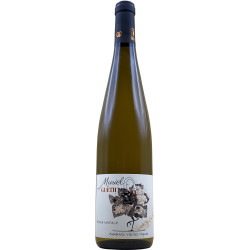
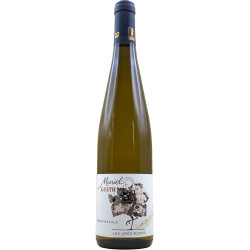
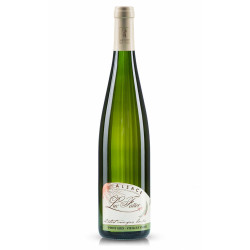
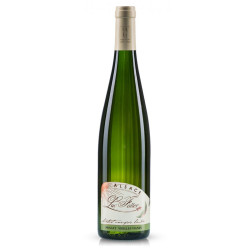
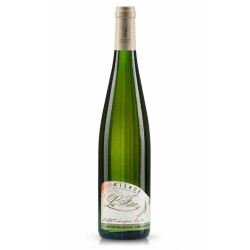
1) Why are some wine bottles green? Just like our eyes, wine is highly sensitive to light. To protect it from sunlight, wine is stored in green glass bottles, which are very effective at filtering light. This feature is primarily found with red wines, although their tannins provide natural protection. On the other hand, white and rosé wines, which lack tannins, are mostly presented in clear bottles without any tint. The reason? Winemakers often prefer that you can see the color of their wine. After all, it’s a bit disappointing (and even discouraging) not to see the color of a wine when you’re about to buy or taste it! However, some white wine bottles are green, particularly for Alsace wines.
2) Why is green “harvested out” during the grape harvest? For winemakers, crafting a wine is akin to a ritual with many steps, the first being the harvest, or picking of the grapes. After picking, it’s time for fermentation (the conversion of grape juice into alcohol via sugar). But in some cases, a preliminary sorting is necessary. This "de-stemming" or "debudding," as it’s called in winemaking jargon, involves removing the “green” parts of the grape bunch, i.e., the stems, to avoid giving the wine a bitter and herbaceous taste. This process is mostly used in the making of red wines by winemakers who aim to produce round and fruity wines. Others believe that keeping the stems will add more complexity and freshness to their wine. Note that the more mature the grapes are, the less detrimental the presence of green parts will be to the wine. These factors usually vary based on vintages and the climatic conditions the vineyards experience throughout the year.
3) What should you infer from a white wine with greenish reflections? When examining the color of a white wine, it’s not uncommon to see slight greenish reflections. Don’t worry, this doesn’t mean the wine is spoiled. You won’t find any unpleasant surprises in the taste! However, like a fruit, green hints suggest a lack of maturity. It could also be due to the presence of vegetal elements in the wine, indicating a process without de-stemming. On the nose, white wines with greenish reflections often reveal floral and vegetal aromas, as well as citrus or green apple notes. On the palate, they present marked acidity. Greenish reflections are often found in white wines made from grape varieties such as Sauvignon (Loire, Bordeaux, Languedoc) and Sémillon (Bordeaux, South-West). If the wine is meant to age, its yellow color will intensify over time, and the greenish reflections will fade.
DO YOU KNOW ANY OTHER WINE AND GREEN-RELATED ANECDOTES? FEEL FREE TO SHARE THEM WITH US!
Our nuggets
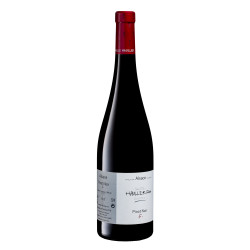
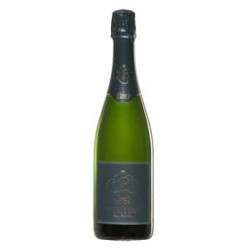
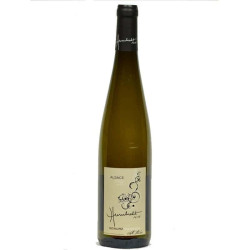
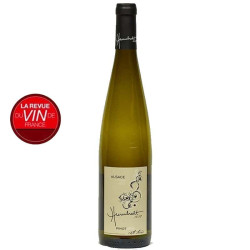
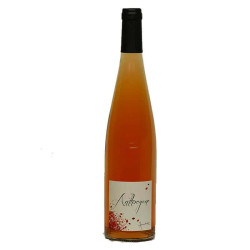
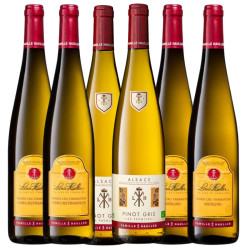
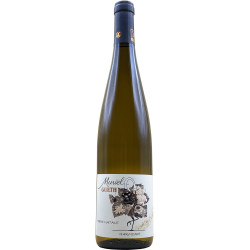
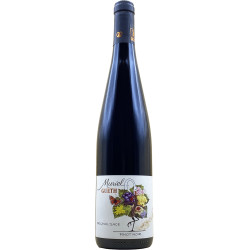
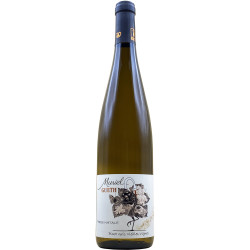
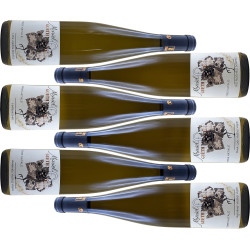

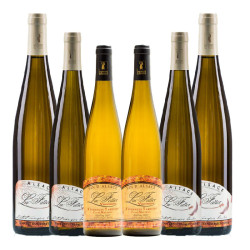
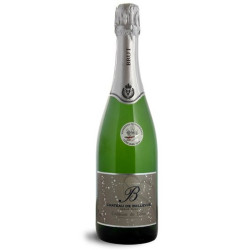
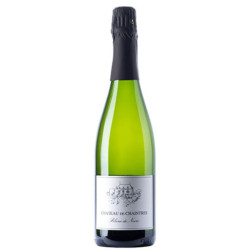
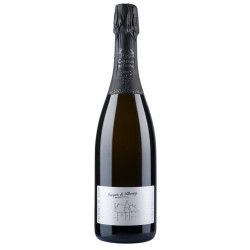
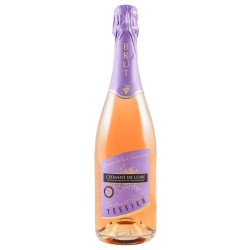
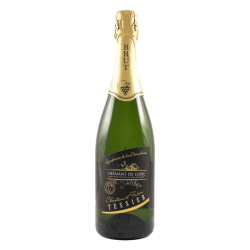
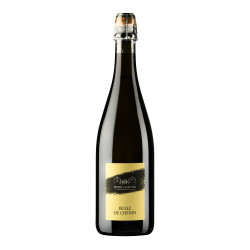
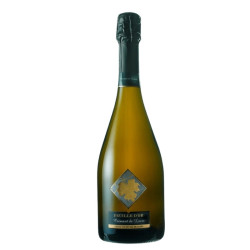
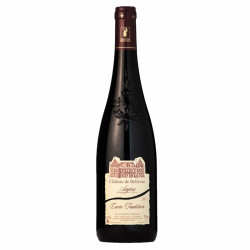
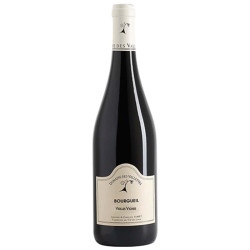
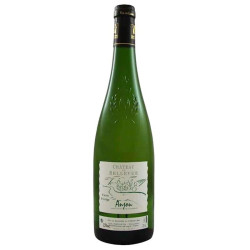
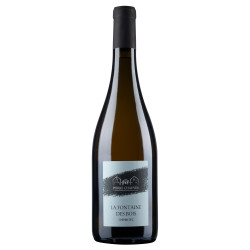
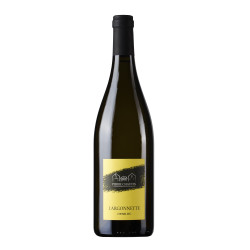
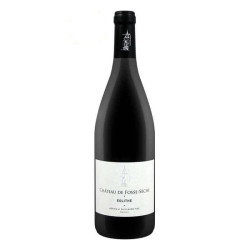
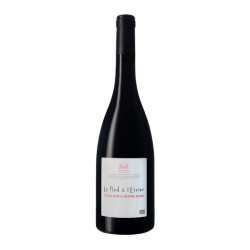
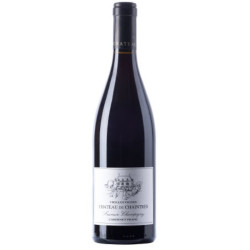
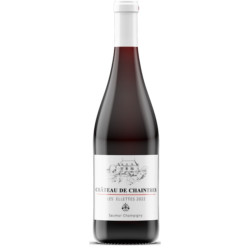
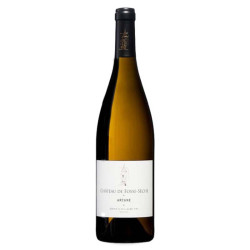
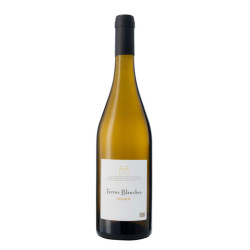
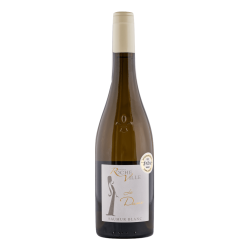
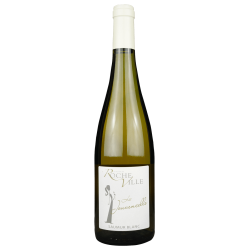
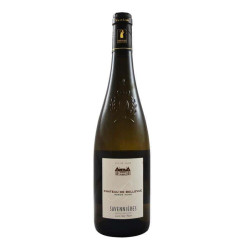
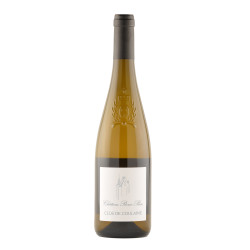
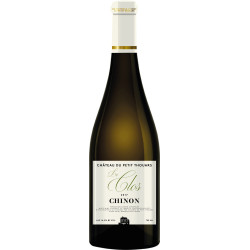
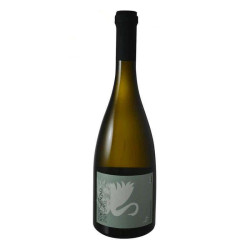
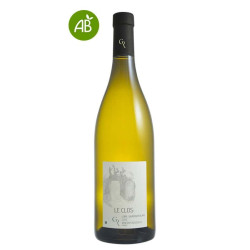
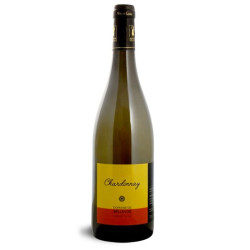
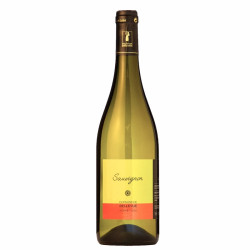
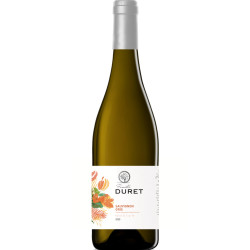
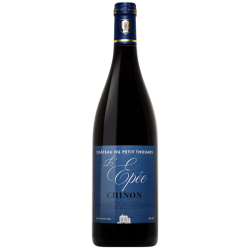
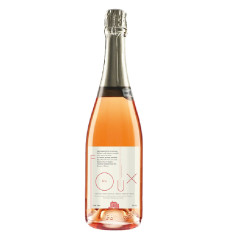
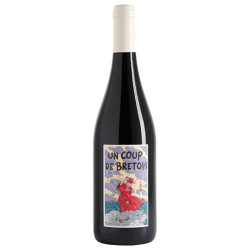
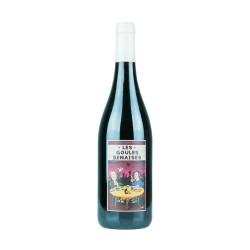
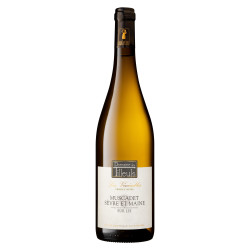
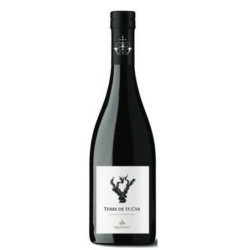
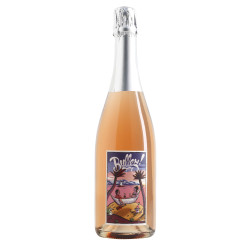
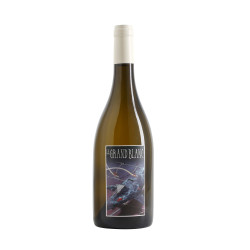
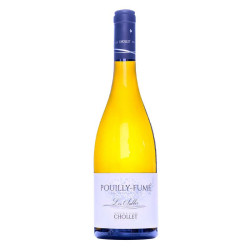
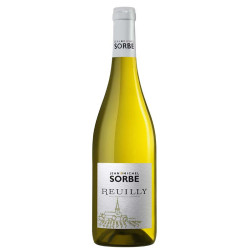
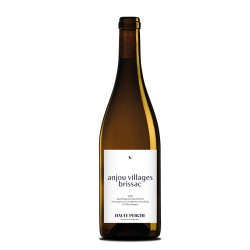
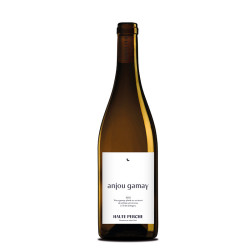
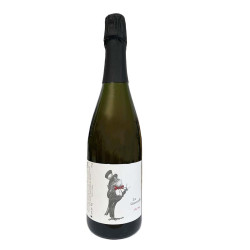
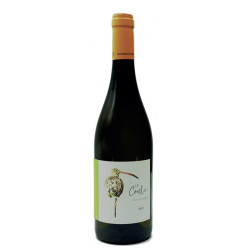
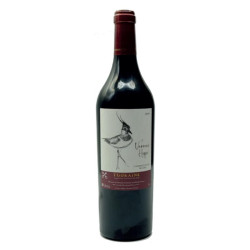
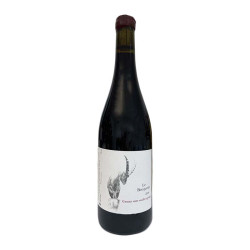
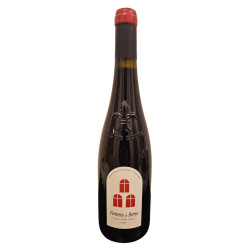
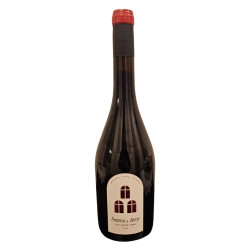
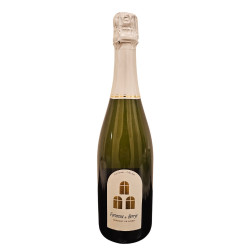
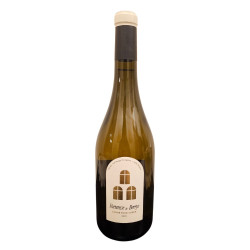
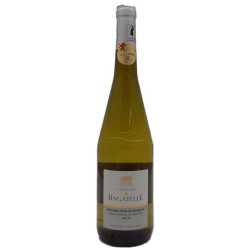
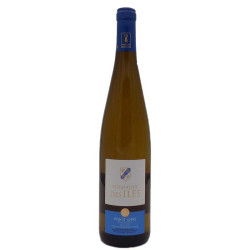
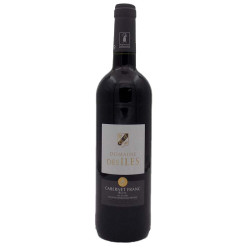
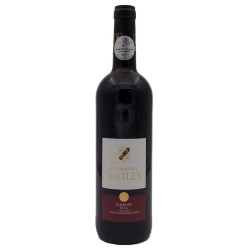
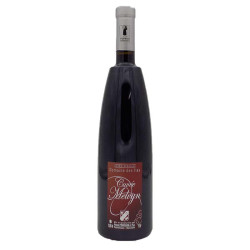
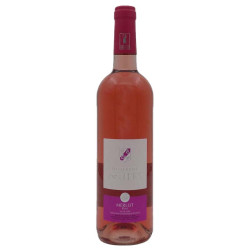
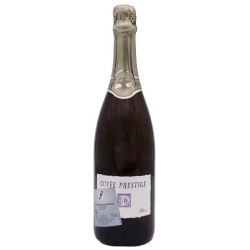
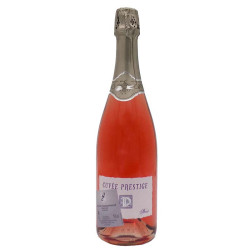
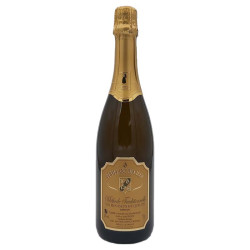
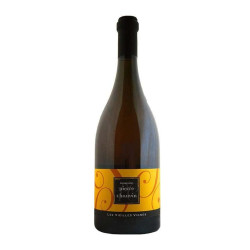
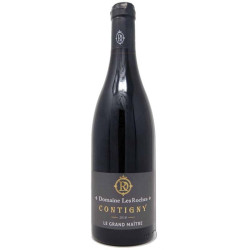
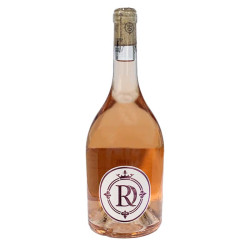
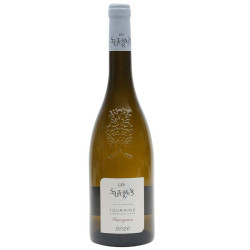
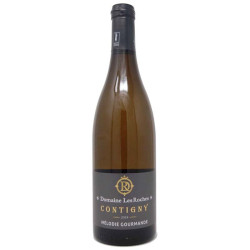
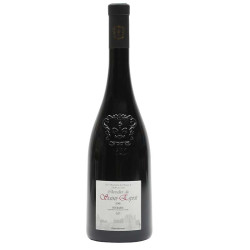
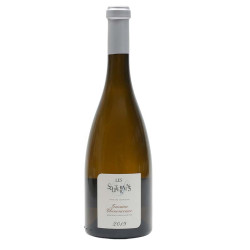
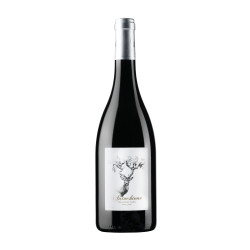
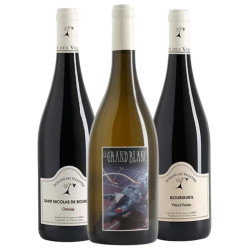
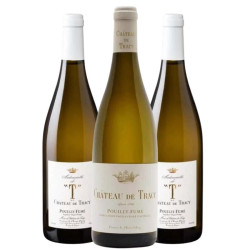
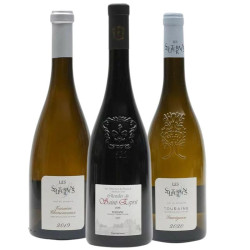
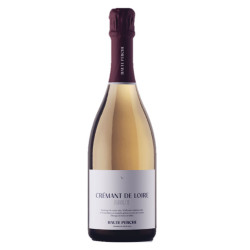
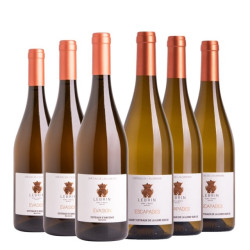
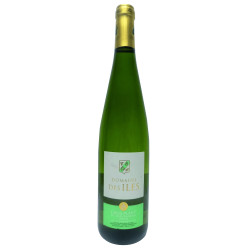
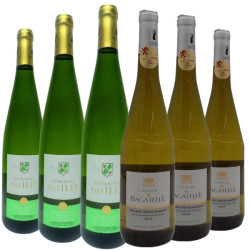
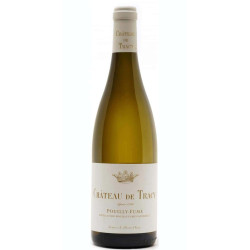
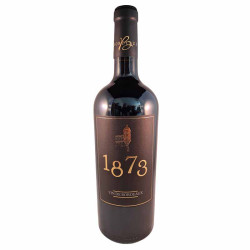
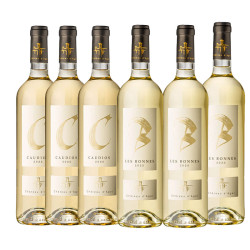
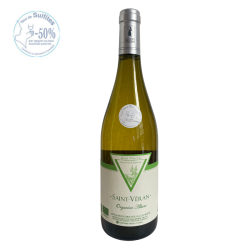
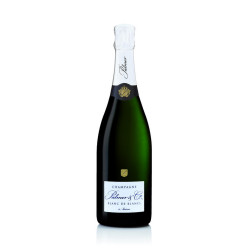
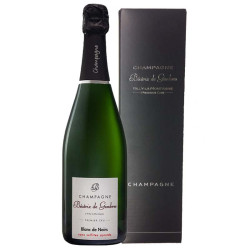
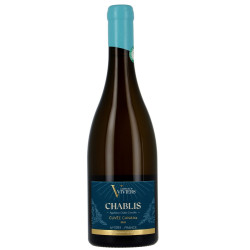
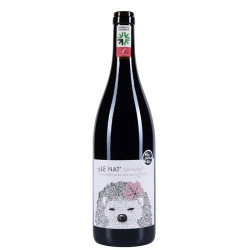
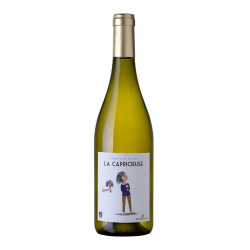
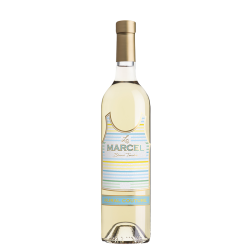
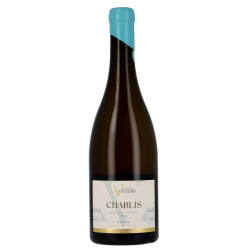
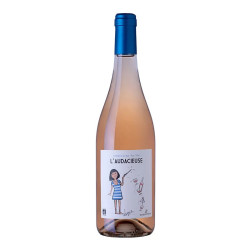
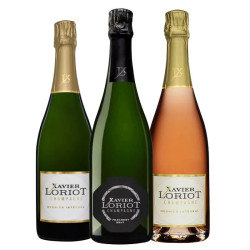
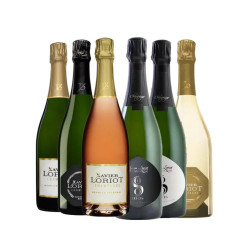
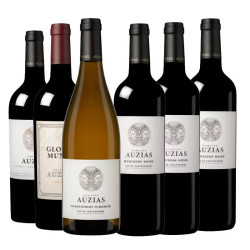
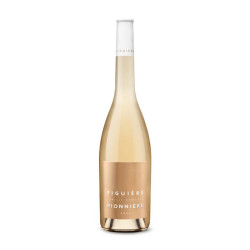
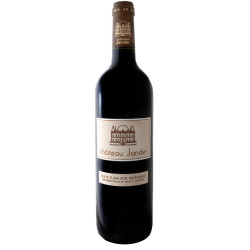
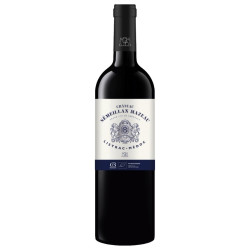
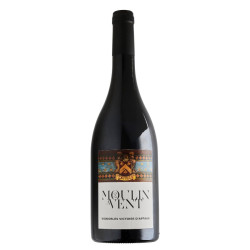
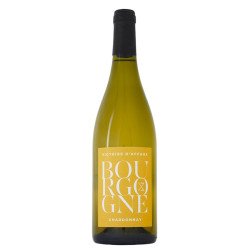
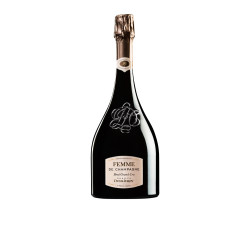
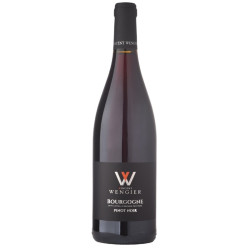
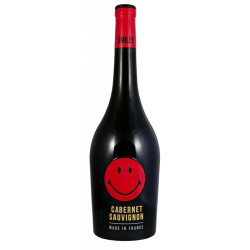
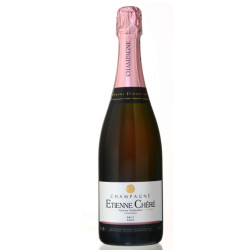
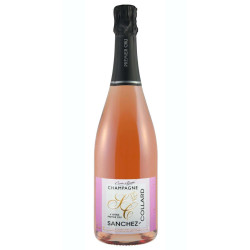
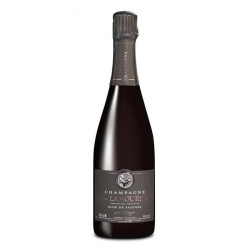
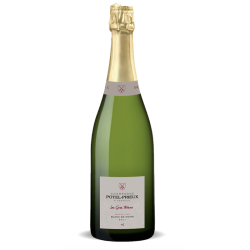
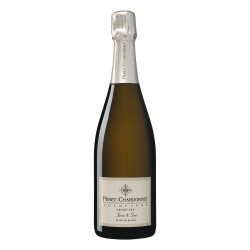
Penet-Chardonnet Grand Cru - Terroir & Sens Blanc de Blancs Extra Brut
LA MAISON PENET
Champagne
€98.00
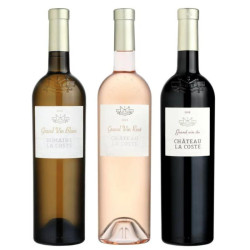
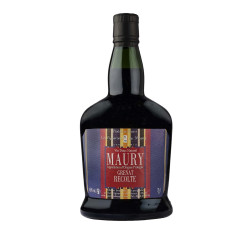
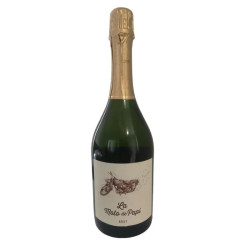


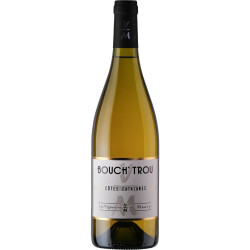
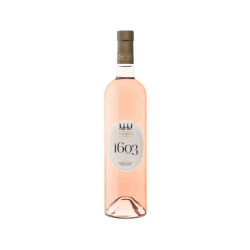
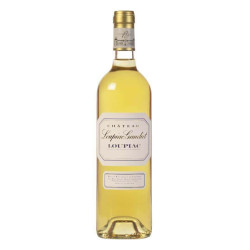
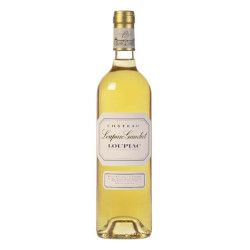
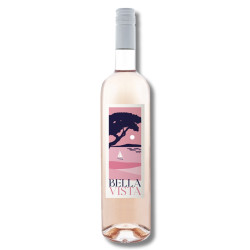
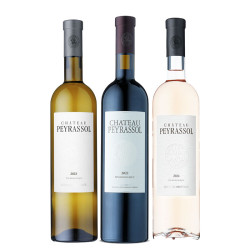
Coffret Château Peyrassol
Maison Austruy - Commanderie de Peyrassol
Provence Alpes Côte d'Azur
€69.00
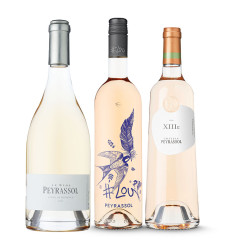
A la découverte du Rosé Peyrassol
Maison Austruy - Commanderie de Peyrassol
Provence Alpes Côte d'Azur
€68.00
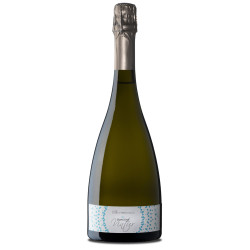
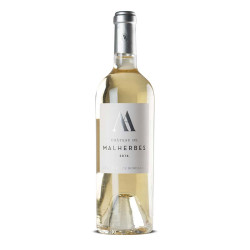
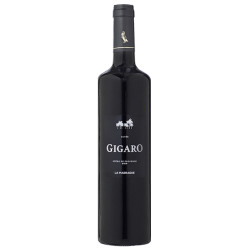
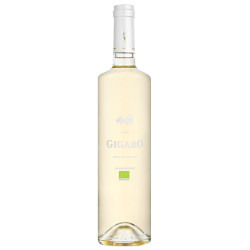
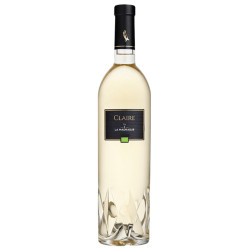
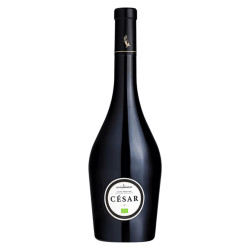
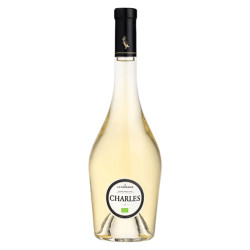
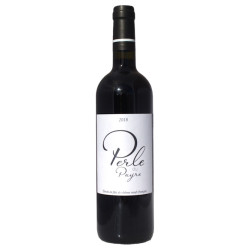
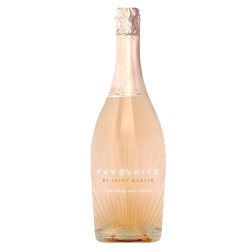
Favorite Sparkling Rosé – Désalcoolisée 0%
Château de Saint-Martin
Provence Alpes Côte d'Azur
€29.90
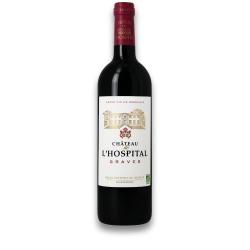
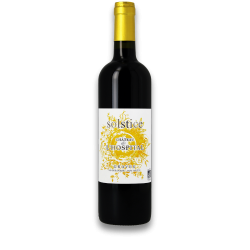

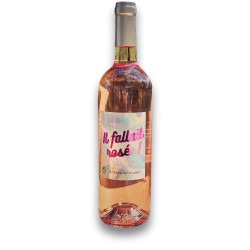
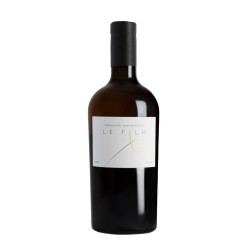
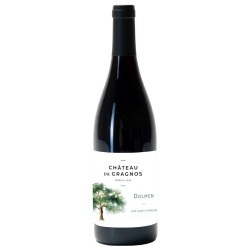
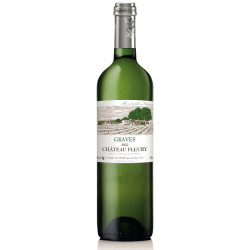
Château Fleury 2022 Graves blanc sec - Vignobles Olivier Fleury
Les Vignobles Olivier Fleury
Bordeaux
€36.00
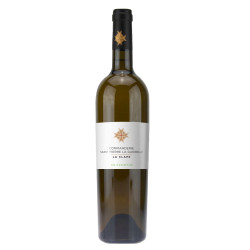
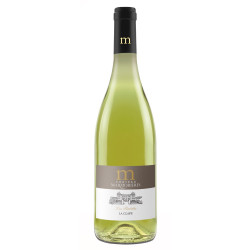
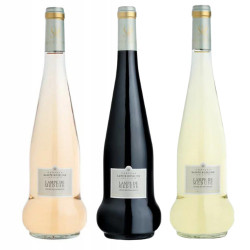
Commanderie Saint Pierre La Garrigue - Cru d'Exception Blanc
Domaine de Marmorières
Languedoc Roussillon
€32.00
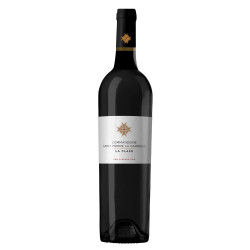
Commanderie Saint Pierre La Garrigue - Cru d'Exception Rouge
Domaine de Marmorières
Languedoc Roussillon
€32.00
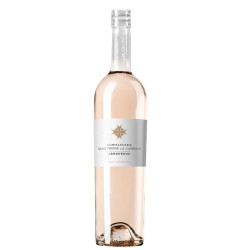
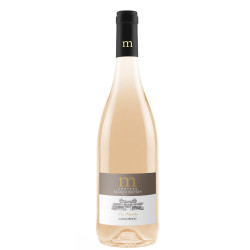
Commanderie Saint Pierre La Garrigue - Cru d'Exception Rosé
Domaine de Marmorières
Languedoc Roussillon
€16.00