Delivery from €16.90 per winemaker in Europe (excluding the United Kingdom)

Unbeatable !
HOW DO YOU RECOGNISE A GOOD CHAMPAGNE?
How to Recognize a Good Champagne?
Exploring the Nuances of Champagne
Within the Champagne appellation, a multitude of nuances are waiting to be discovered. Numerous terroirs, communes, lieux-dits, and clos produce crus with diverse personalities. The expertise and artistry of various houses work to enhance the renowned sparkling wine by blending different grape varieties from the region. With the vast array of Champagne types available, it's easy to feel overwhelmed. Fortunately, producers in the region provide extensive information on their bottles to help the informed reader understand their contents. But what do the labels on Champagne bottles mean, and how can you recognize a good Champagne?
Ensuring the Origin
Firstly, it's important to know that a bottle labeled Champagne is necessarily a Champagne and does not need to bear the inscription "Appellation d'Origine Contrôlée." Similarly, the term "méthode Champenoise" is implicit and not usually stated.
A Champagne is thus a wine from the Champagne region, which is the essence of this protected designation. To delve deeper, determining the origin of the bottle can provide an additional clue about its quality. To identify the producer of the coveted bottle, two letters indicate their professional category. What do the letters RM, NM, SR, RC, CM, MA, or ND on Champagne labels mean?
-
RM, NM & SR: Crafted by the Winemaker
- A Récoltant Manipulant (RM) is a winemaker who harvests, produces, and sells their Champagne.
- A Négociant Manipulant (NM) is an operator or company that can buy some grapes, produce, and sell their cuvées.
- A Société de Récoltant (SR) is a group of winemakers who vinify and market together.
-
RC & CM: Crafted in Cooperative
- A Récoltant Coopérateur (RC) means the winemaker sends their grapes to a cooperative's vats after harvest and receives the bottles later to sell under their name.
- A bottle from a Coopérative de Manipulation (CM) is made and marketed by the cooperative using its members' harvests.
-
MA & ND: Sold by Merchants
- Marques Auxiliaires (MA) are brands that buy wines, label them, and sell them.
- Négociants Distributeurs (ND) are individuals or entities that buy finished wines to label and market them.
As you can see, it’s best to know the production origin closely. It's also worth noting that labels like sec, doux, demi-sec, and brut are not related to the bottle's quality. They indicate the grams of sugar added during the dosage process. The higher the sugar content per liter, the sweeter the Champagne.
The Crus and Grape Varieties
Champagne is traditionally made by blending different crus and grape varieties. The grape varieties, or cépages, commonly used in Champagne are Chardonnay, Pinot Noir, and Pinot Meunier, which can produce all types of Champagnes.
- Chardonnay is a widespread variety that develops fruity aromas of citrus, brioche, and hazelnut. It is used alone in Blanc de Blancs Champagnes.
- Pinot Noir and Pinot Meunier are sibling varieties that give fruity aromas evolving into undergrowth, leather, or more animal notes. They are used alone in Blanc de Noirs Champagnes. When pressed with the skin, they produce rosé Champagne.
Most bottles achieve a broad flavor palette by skillfully blending these three grape varieties. With a Chardonnay dominance, a traditional Champagne can develop into unprecedented dry fruit aromas with age.
The Role of Bubbles
We all appreciate the aesthetics and fizz of fine, light bubbles over the random appearance of clumsy ones. It's important to know that their size is not only an aesthetic feature but also a quality indicator. The finer the bubbles, the more numerous they will be. The same amount of carbon dioxide will naturally create more bubbles if they are fine than if they are large. Each bubble will awaken and activate taste receptors. The more these sensory receptors are stimulated, the more the brain receives taste information about the Champagne. Even though their size isn't directly related to the beverage's quality, they allow for better appreciation of the flavor.
Our nuggets
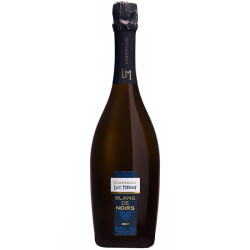
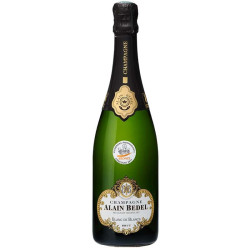
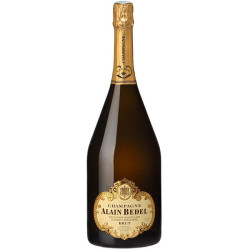
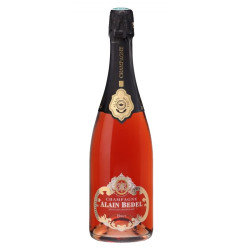
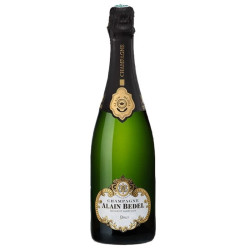
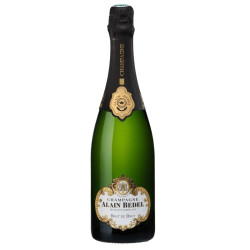
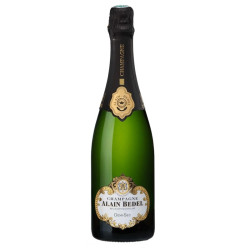
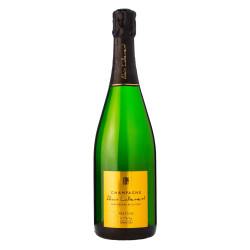
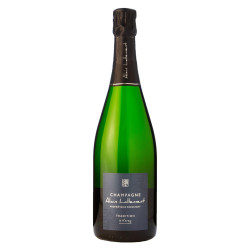
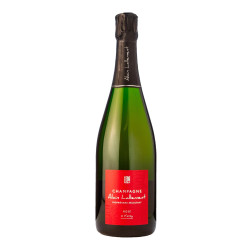
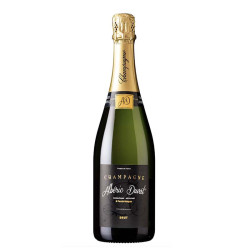
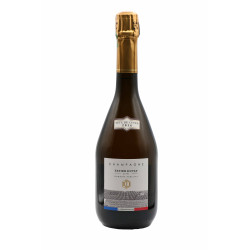
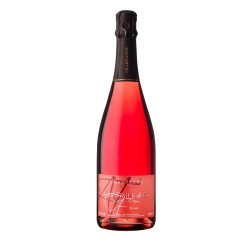
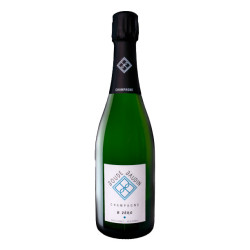
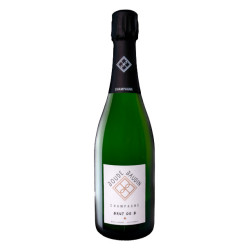
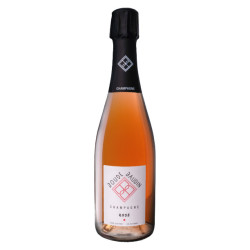
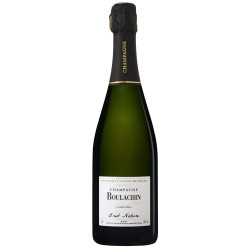
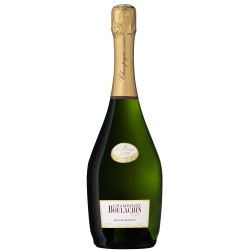
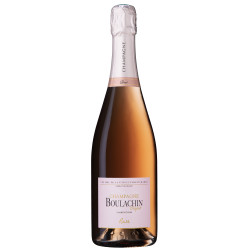
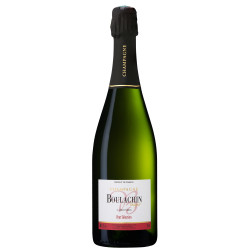
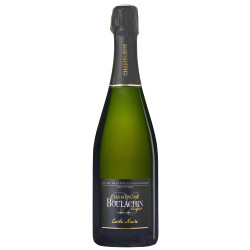
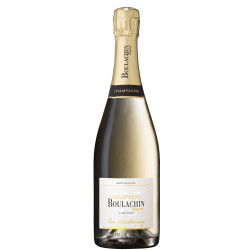
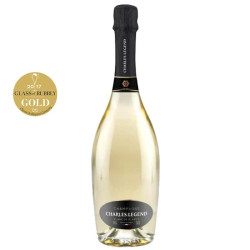
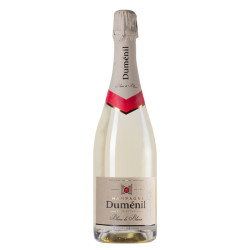
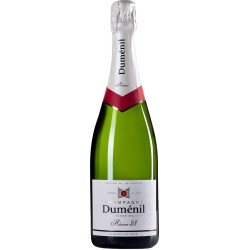
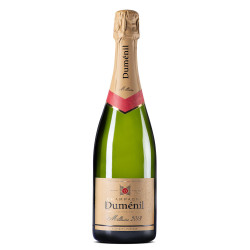
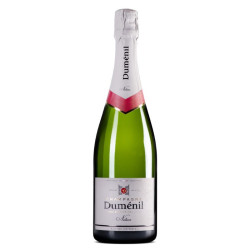
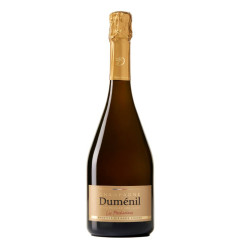
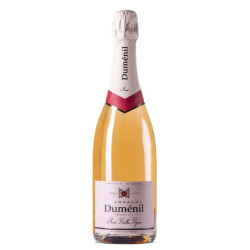
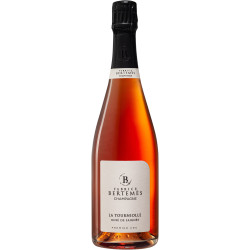
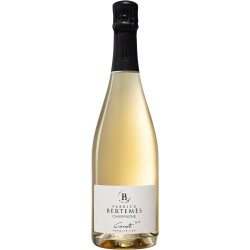
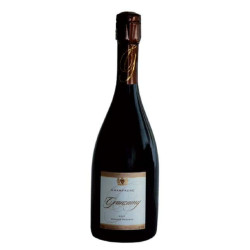
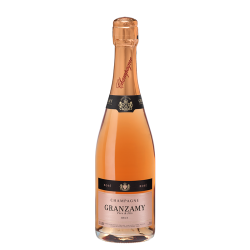
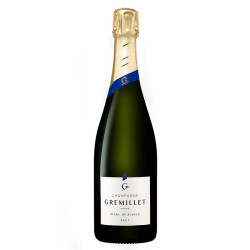
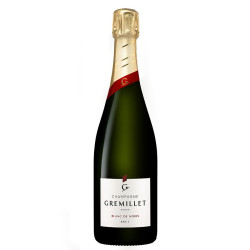
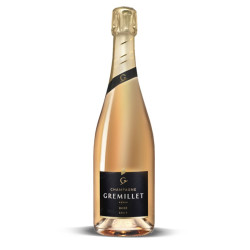
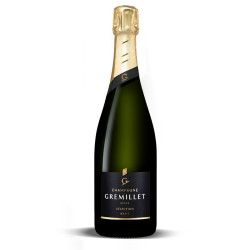
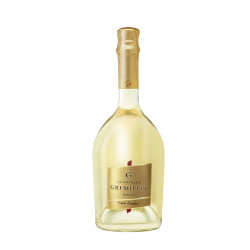
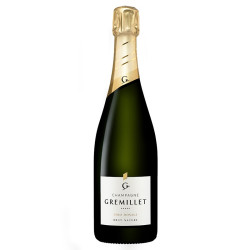
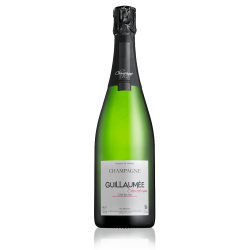
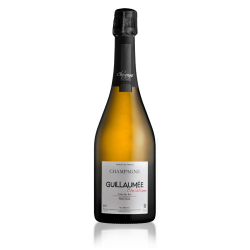
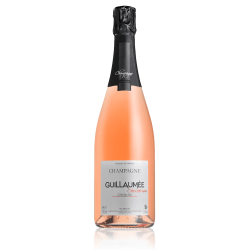
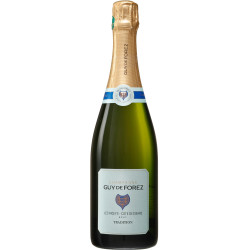
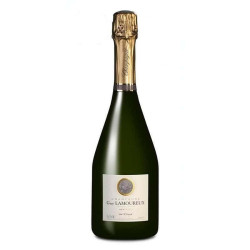
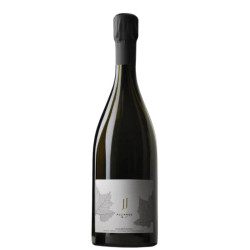
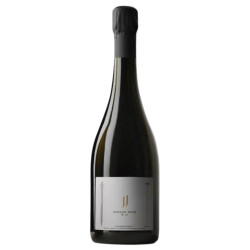
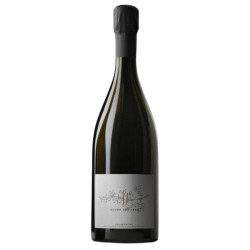
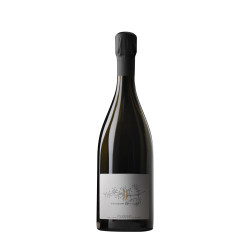
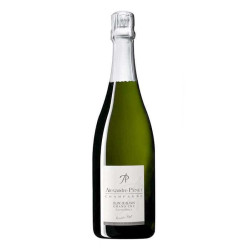
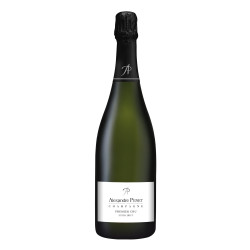
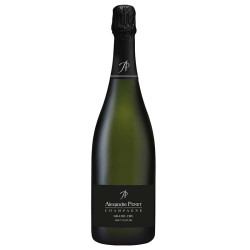
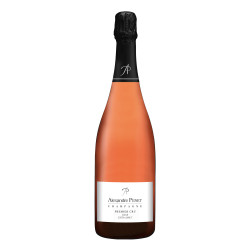
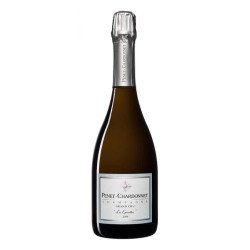
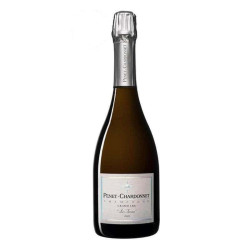
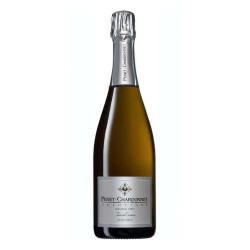
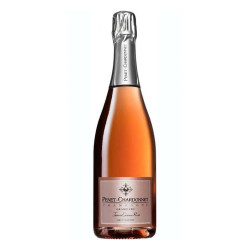
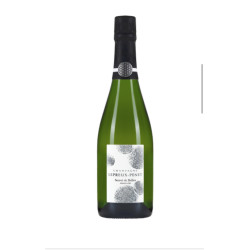
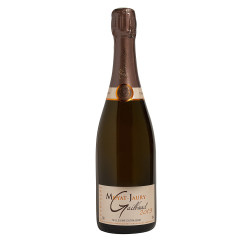
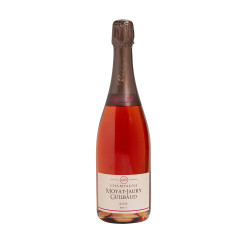
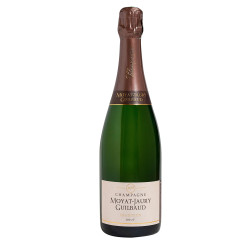
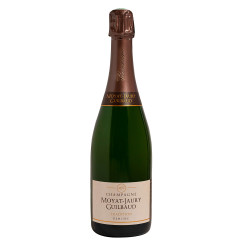
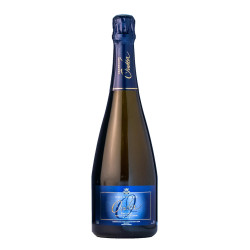
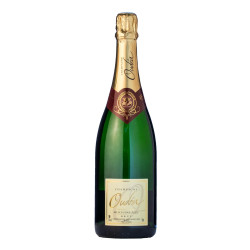
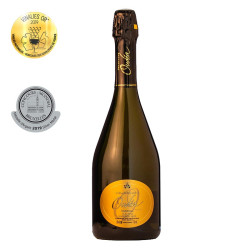
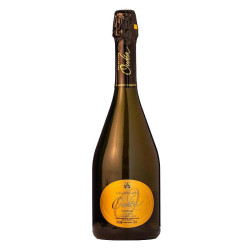
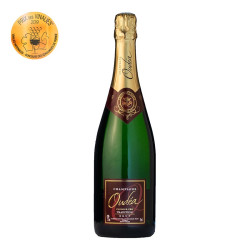
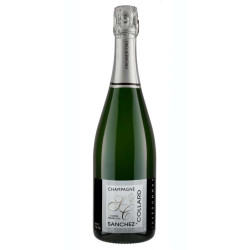
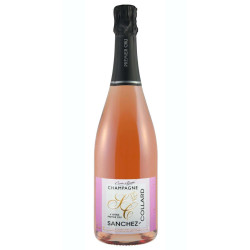
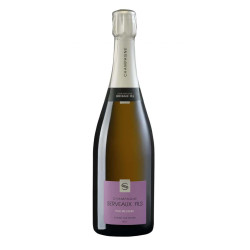
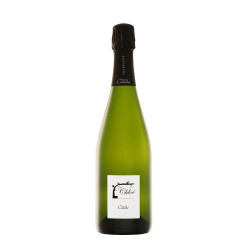
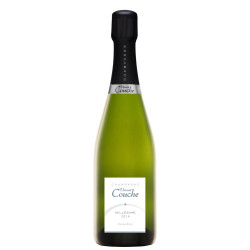
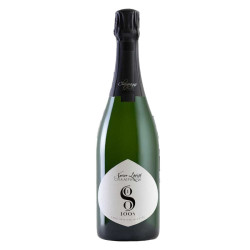
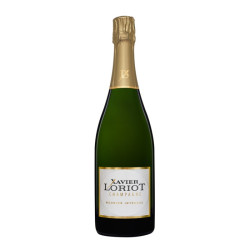
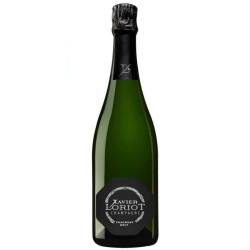
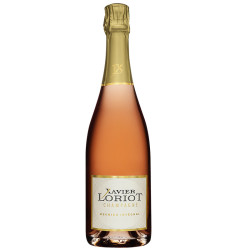
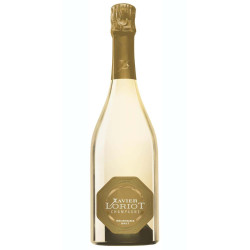
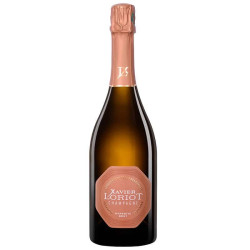
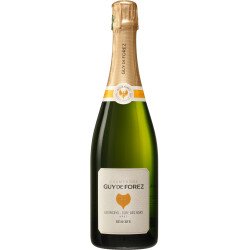
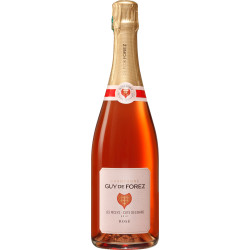
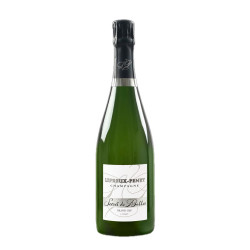
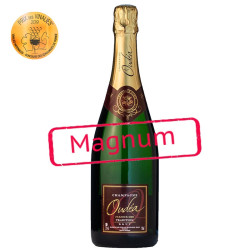
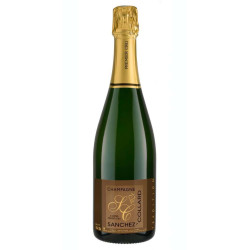
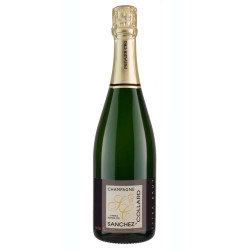
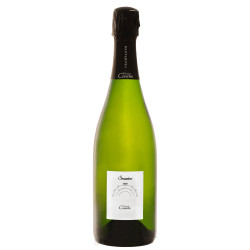
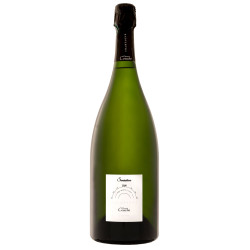
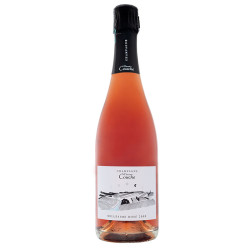
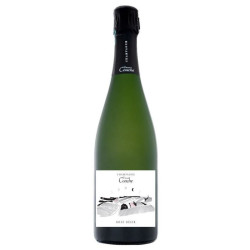
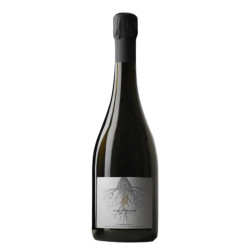
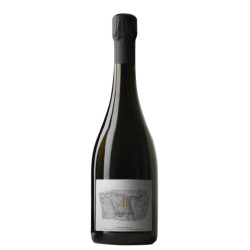
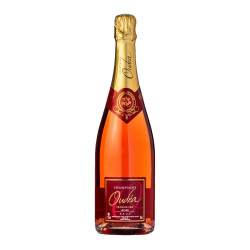
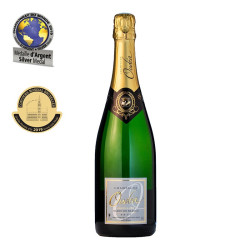
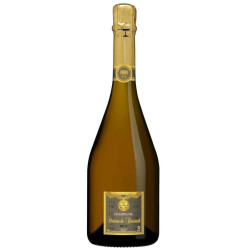
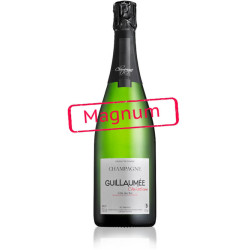
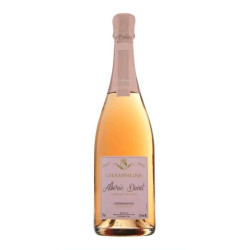
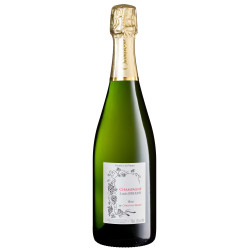
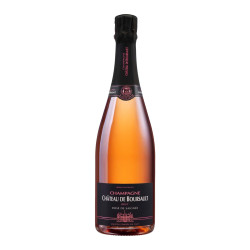
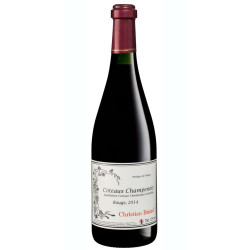
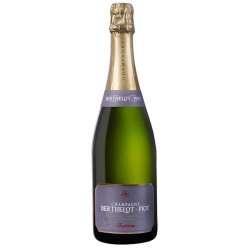
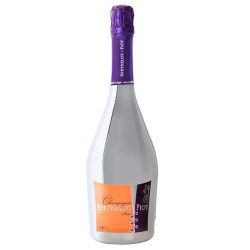
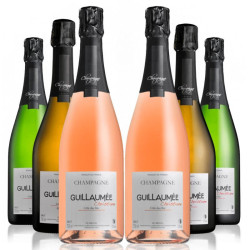
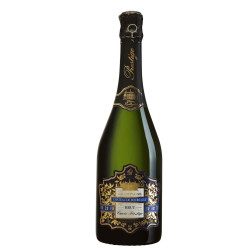
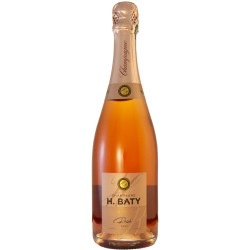
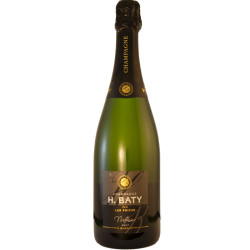
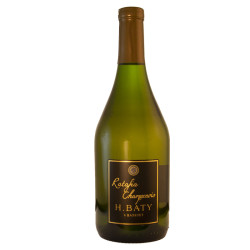
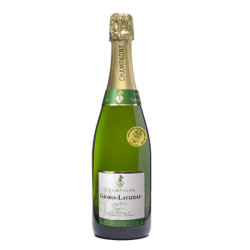
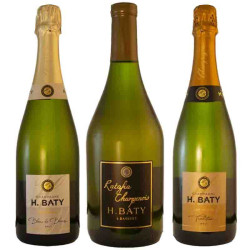
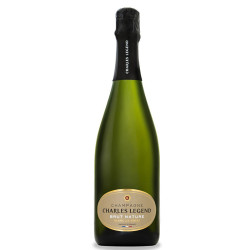
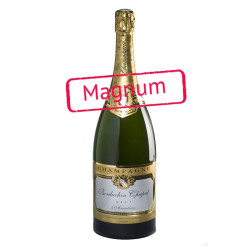
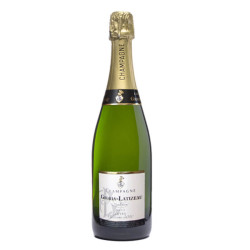
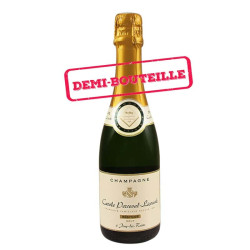
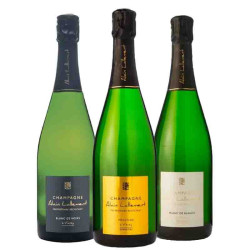
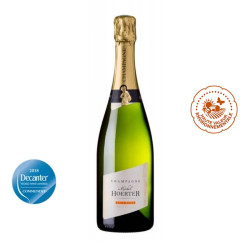
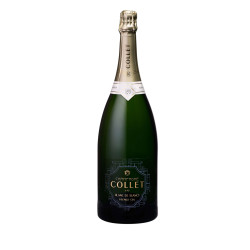
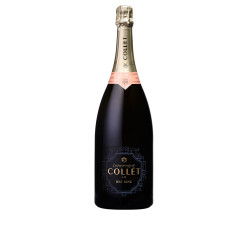
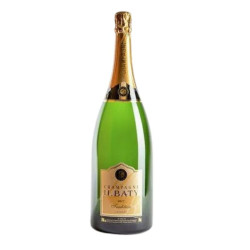
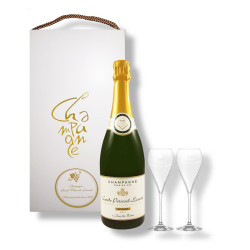
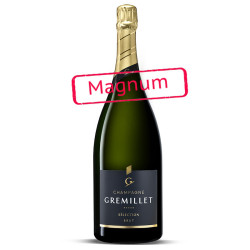
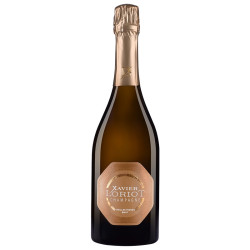
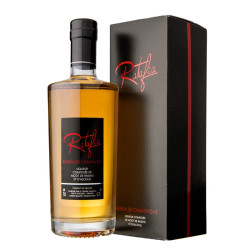
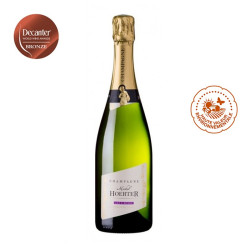
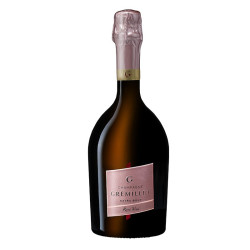
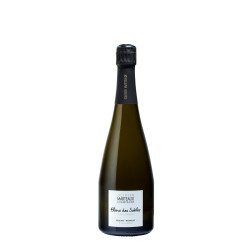
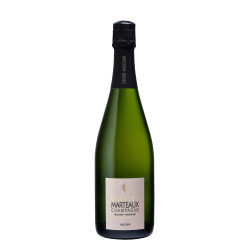
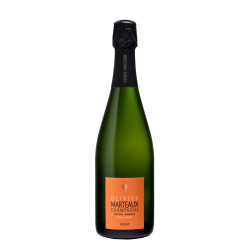
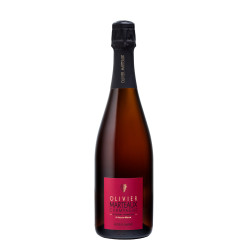
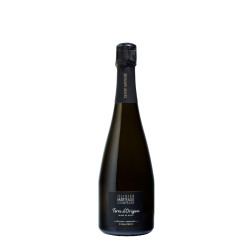
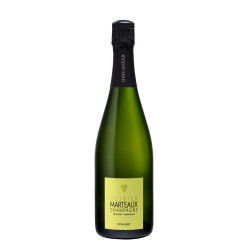
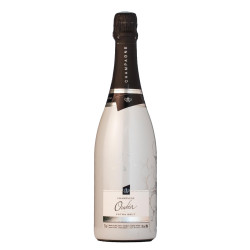
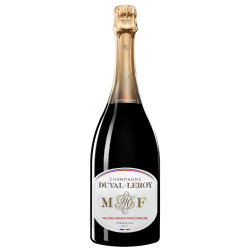
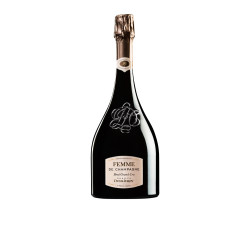
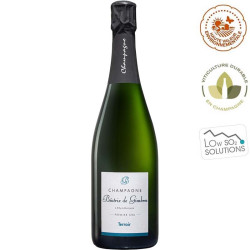
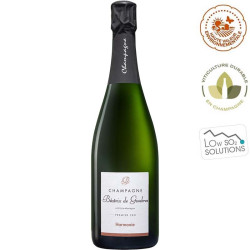
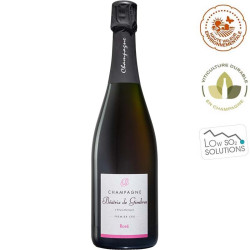
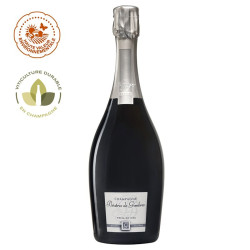
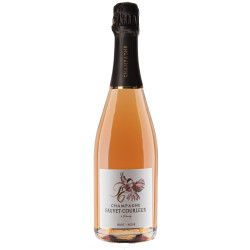
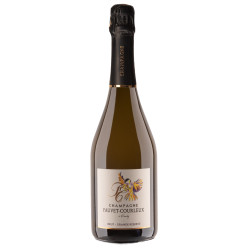
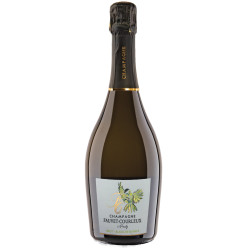
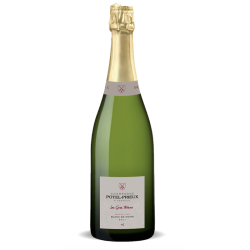
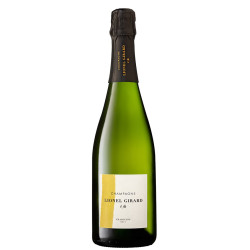
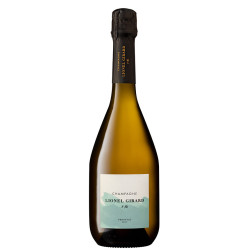
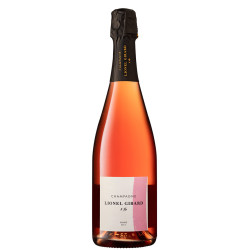
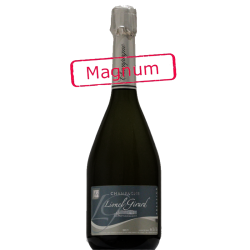
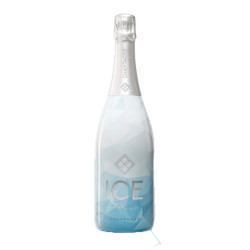
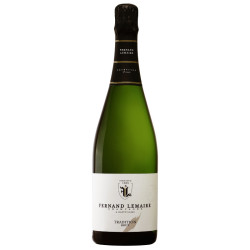
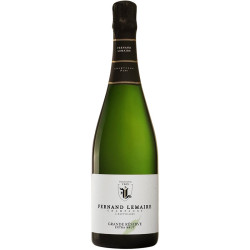
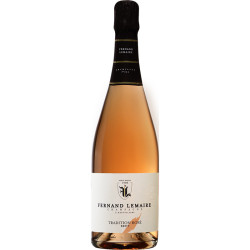
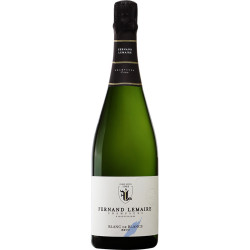
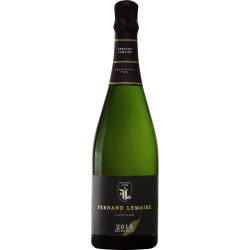
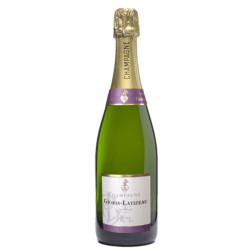
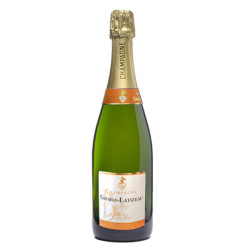
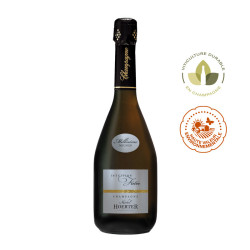
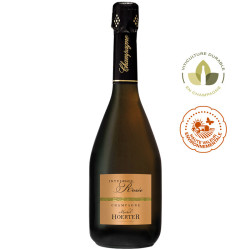
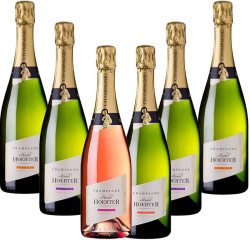
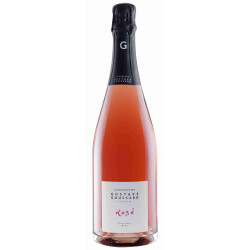
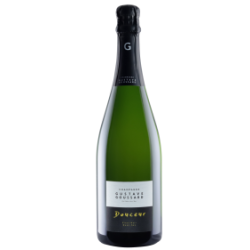
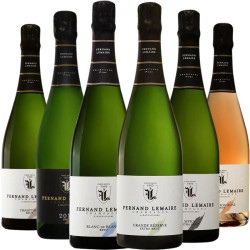
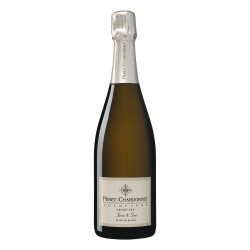
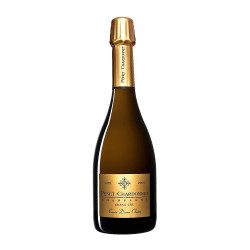
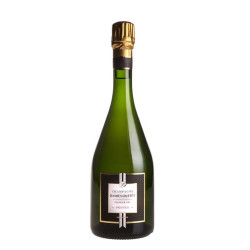
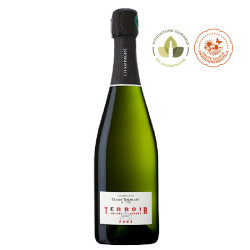
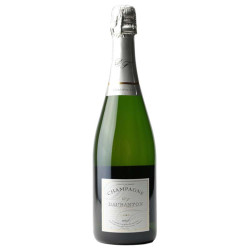
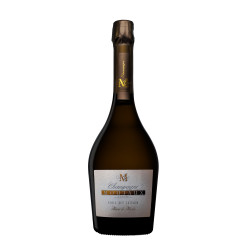
Penet-Chardonnet Grand Cru - Terroir & Sens Blanc de Blancs Extra Brut
LA MAISON PENET
Champagne
€98.00
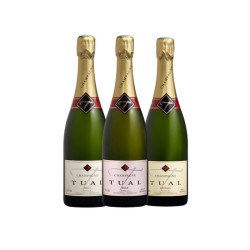
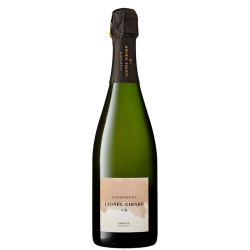
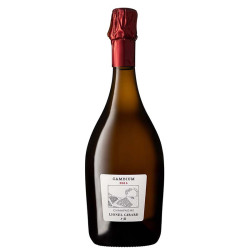
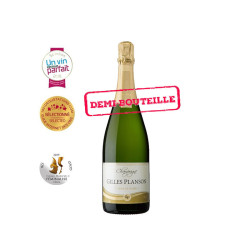
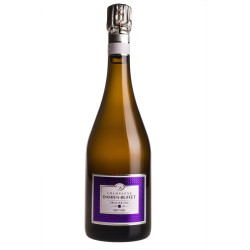
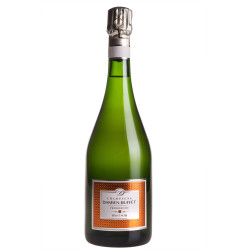
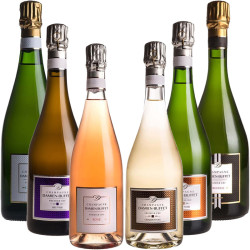
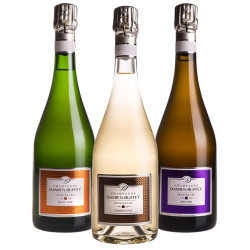
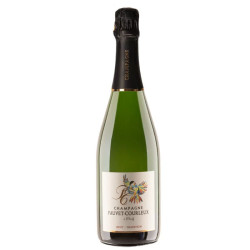
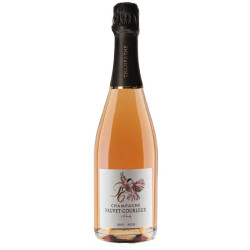
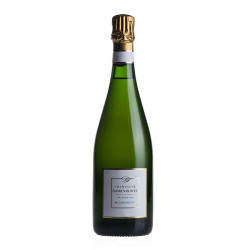

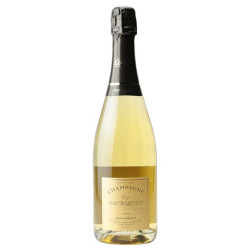
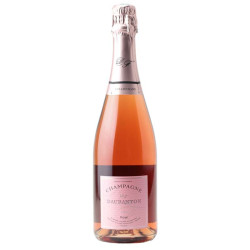
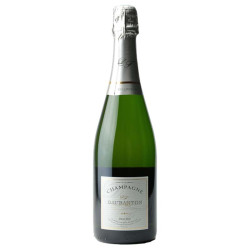
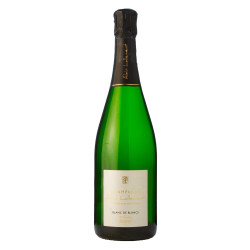
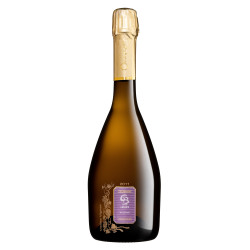
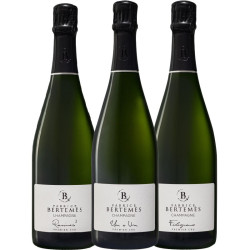
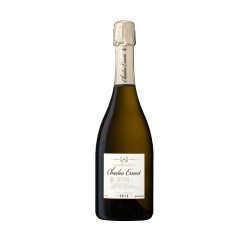
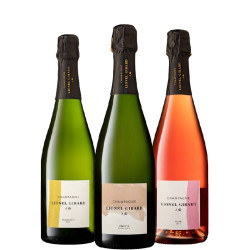
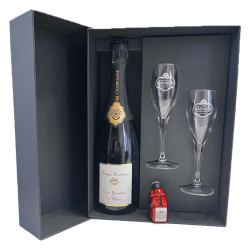
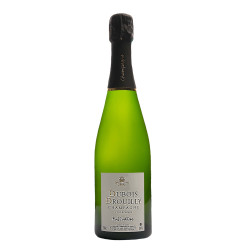
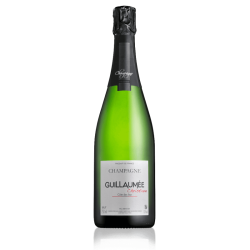
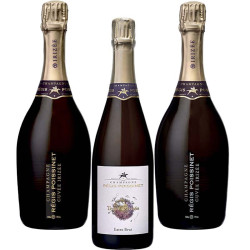
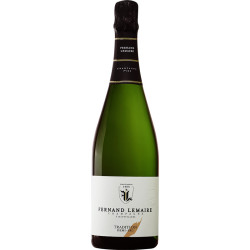
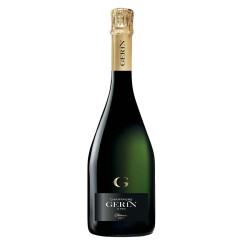
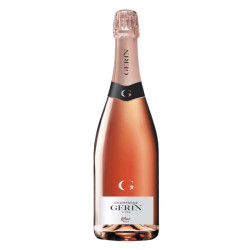
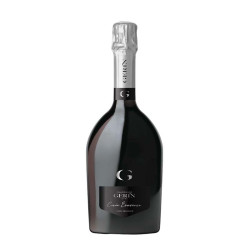
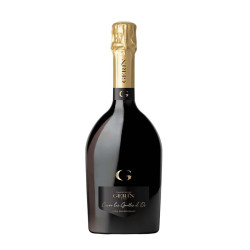
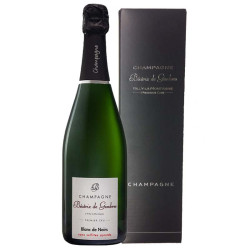
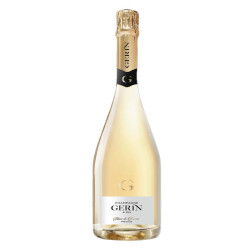
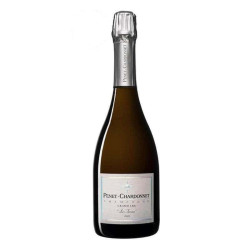
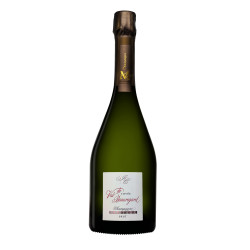
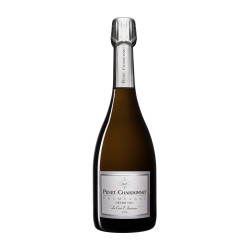
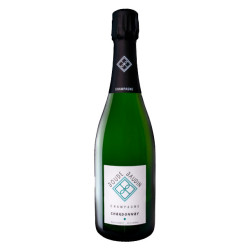
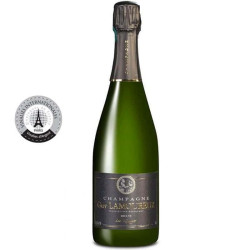
Penet-Chardonnet Grand Cru - Lieu-Dit "La Croix L'Aumonier" Extra Brut
LA MAISON PENET
Champagne
€166.00
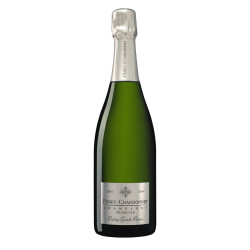
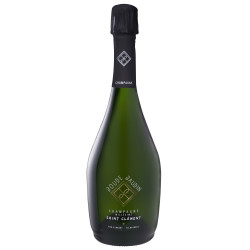
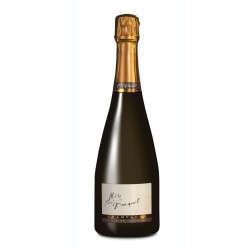
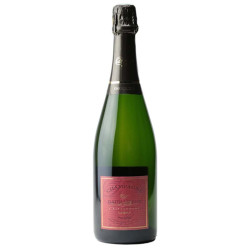
Penet-Chardonnet Grand Cru - Prestige Grande Réserve Multimillésime
LA MAISON PENET
Champagne
€135.00
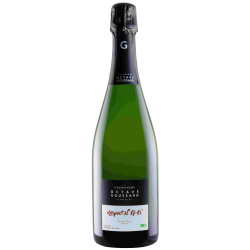
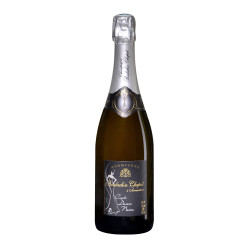
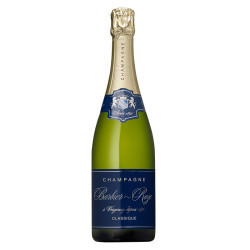
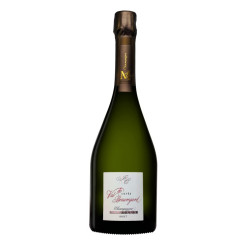
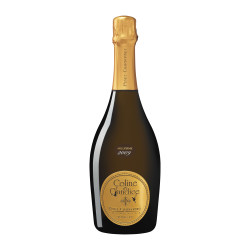
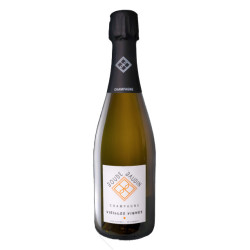
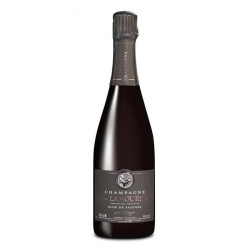
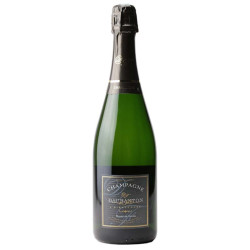
Penet-Chardonnet Grand Cru - Lieu-Dit "Les Champs Saint Martin" Extra Brut
LA MAISON PENET
Champagne
€166.00
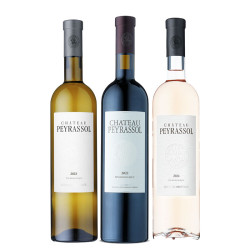
Coffret Château Peyrassol
Maison Austruy - Commanderie de Peyrassol
Provence Alpes Côte d'Azur
€69.00
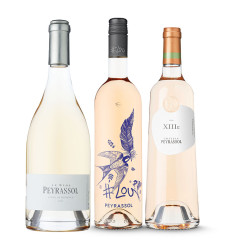
A la découverte du Rosé Peyrassol
Maison Austruy - Commanderie de Peyrassol
Provence Alpes Côte d'Azur
€68.00
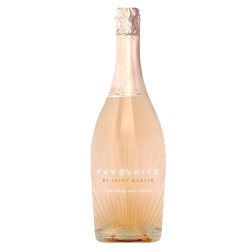
Favorite Sparkling Rosé – Désalcoolisée 0%
Château de Saint-Martin
Provence Alpes Côte d'Azur
€29.90
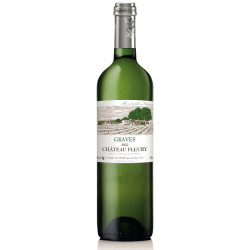
Château Fleury 2022 Graves blanc sec - Vignobles Olivier Fleury
Les Vignobles Olivier Fleury
Bordeaux
€36.00
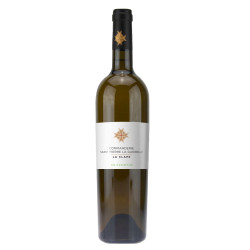
Commanderie Saint Pierre La Garrigue - Cru d'Exception Blanc
Domaine de Marmorières
Languedoc Roussillon
€32.00
Commanderie Saint Pierre La Garrigue - Cru d'Exception Rouge
Domaine de Marmorières
Languedoc Roussillon
€32.00
Commanderie Saint Pierre La Garrigue - Cru d'Exception Rosé
Domaine de Marmorières
Languedoc Roussillon
€16.00