Delivery from €16.90 per winemaker in Europe (excluding the United Kingdom)

Unbeatable !
WHAT IS NATURAL WINE?
The Impact of Natural Factors on Wine
How Natural Factors Influence Wine
We all know by now that chemicals have a negative impact on the vine, the soil, and the people who cultivate it. We also know that many new farming techniques have emerged to break away from conventional methods and return to more sustainable viticulture. However, few truly understand what natural wine is. A true philosophy about how humans should and shouldn't intervene in winemaking, natural viticulture is often associated with biodynamic or organic farming. Although they are part of the same movement, they differ in several ways.
How Is Natural Wine Made?
To fully understand, it’s important to distinguish between the viticulture phase and the transformation phase. The first concerns the care of the vine until harvest, and the second the transformation of grapes into wine starting from pressing. Natural wine is wine that has received no additives during vinification. This means no chemical additives are used during fermentation, aging, fining, or filtration. No chemical yeasts or sugars are added during vinification. During aging, none of the fifty or so chemicals permitted in conventional winemaking are added. In some cases, the addition of small doses of sulfites is tolerated in natural wine. Therefore, natural wine is created with minimal intervention from the winemaker, aiming to let the grapes express themselves naturally.
Differences with Organic Wine
The designations of organic and biodynamic wines cover both the cultivation and harvesting of grapes. Winemakers who cultivate and harvest organically do not use any chemical pesticides. Only natural fertilizers are used to help the vine defend and thrive on its own, preserving soil and terroir richness. In biodynamics, winemakers aim for symbiosis with nature, cultivating according to permaculture principles and respecting lunar cycles. Additionally, an organic winemaker harvests by hand to avoid damaging the vines.
The confusion often arises because organic and biodynamic labels also cover vinification, that is, post-harvest processes. Organic wines are not only cultivated organically but also vinified organically. This means the grapes come from organic viticulture and additives like yeasts are limited during fermentation. The difference is that natural wine is typically made from grapes grown organically or biodynamically but has accepted no additives (other than sulfur in some cases) during its transformation. Therefore, natural wines often come from farms where winemakers grow vines organically or biodynamically or even with sustainable agriculture, but they push the natural philosophy further than organic and biodynamic labels during vinification.
Best Practices for Tasting and Storing
A natural wine bottle will contain fewer additives and more natural sediments. Therefore, natural wine should be stored and handled with the delicacy due to wines to best express their aromas. The addition of additives in conventional wines helps stabilize them. This is not the case for natural wines, which are additive-free. Ideal storage conditions should be respected: a temperature around 12/13°C for red wine and slightly cooler for white wines, a humidity level of at least 70%, absence of light, and a lying position. It is also very important to ensure these conditions are consistent and to avoid sudden environmental changes. In terms of aging, natural wines have an aging potential that varies depending on the grape varieties and regions, just like conventional wines. As for tasting, natural wines behave similarly to conventional bottles. Consider decanting them one to two hours before opening to accumulate sediments at the bottom of the decanter and allow the wine to awaken.
Our nuggets
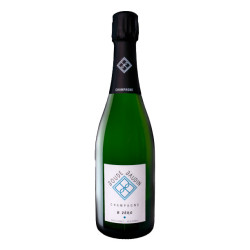
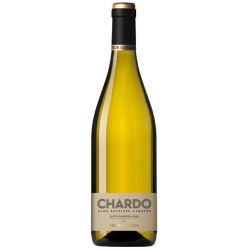
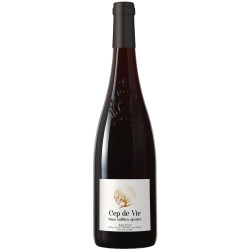
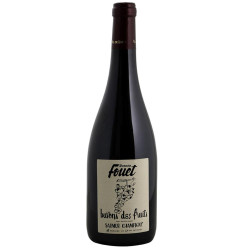
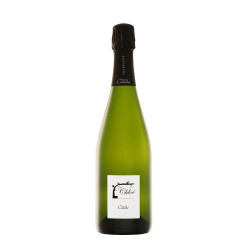
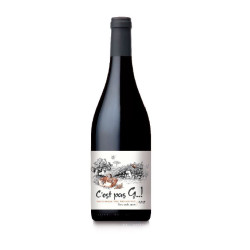
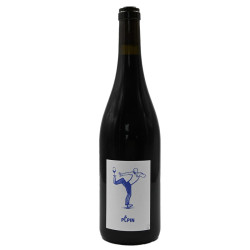
C’est pas G...!
Les Vignobles de Maxime - Tourteau Chollet, Grand Lartigue, Ferrand Lartigue
Bordeaux
€18.00