Delivery from €16.90 per winemaker in Europe (excluding the United Kingdom)

Unbeatable !
HOW TO CHOOSE THE RIGHT CHAMPAGNE?
The Dance of Champagne Bubbles
The Enchanting Nature of Champagne
The essence of Champagne is best appreciated through the flute or coupe, where its elusive, effervescent, and festive nature truly shines. The aerial ballet of its bubbles, endlessly rising and dancing to the surface, bursting and sparkling to our lips' delight, is a captivating spectacle. From appetizers to desserts, from friendly gatherings to the grandest weddings, Champagne graces every occasion. But how well do you really know it? Here are some keys to help you choose the right Champagne.
While all Champagnes can be described as festive, joyful, and elegant, they are far from identical. The Champagne designation is universally recognized and serves as a true mark of quality. In fact, it is not even necessary to indicate "Appellation d'Origine Contrôlée" on a Champagne bottle—simply calling it Champagne is sufficient.
Yet, the richness of Champagne does not end there. Far from being uniform, Champagnes come in a variety of aromatic profiles. Although a Champagne is indeed a Champagne, there is a Champagne for every occasion, and an occasion for every Champagne.
Understanding Champagne
Origin of Champagne
Champagne comes from the Champagne region, obviously. The wines of Champagne and their reputation owe much to this intersection of viticulture, geography, and history. In Reims, where French kings were crowned, Champagne's noble and festive reputation made it the ideal location for the sparkling history of these wines.
As for the eternal question of Champagne's origin and invention, it remains elusive. The origin of sparkling wine cannot be precisely traced. The oldest known sparkling wine in France is actually from Languedoc-Roussillon, with Blanquette de Limoux. The grandeur of Champagne is primarily linked to the history of French kings and the perfection of what is now known as the "traditional method."
How Champagne is Made
The effervescence in wine is a natural phenomenon. The bubbles in Champagne or any sparkling drink are due to the presence of CO₂, which is naturally produced by yeast during fermentation.
It is possible to create sparkling wine directly through fermentation in a sealed tank, or indirectly through a secondary fermentation of still wine. This secondary fermentation is what gives Champagne its renowned reputation.
Authorized Grape Varieties in Champagne
Champagne can be made from seven different grape varieties: Pinot Noir, Pinot Meunier, Chardonnay, Arbanne, Petit Meslier, Pinot Blanc, and Pinot Gris. Among these, Pinot Noir, Pinot Meunier, and Chardonnay are the most commonly used, dominating almost the entire vineyard.
The Traditional Method
The traditional method involves creating effervescence during the secondary fermentation. It starts with making still wines from harvested grapes. The winemaker then presses the grapes, makes the wine, and decides on the blend that will become the Champagne (including grape varieties, vineyards, vintages, etc.).
The unique aspect of this method is the creation of bubbles in the bottle. Wines are bottled with a mixture of sugar, yeast, and old wine. They are then aged for a minimum of 15 months, during which the dead yeast cells interact with the wine, developing the characteristic bakery-like aromas of Champagne.
Finally, the bottle is placed at a 45-degree angle, with the cork facing down, and regularly rotated to gently move the yeast towards the cork. The yeast sediment is then "disgorged" (frozen and expelled). The volume lost during disgorging can be replenished with a more or less sweet liqueur (dosage), resulting in bottles ready for commercialization.
Different Types of Champagne
There are many different types of Champagne, shaped by a 17th-century fermentation method and a designated origin. Based on this heritage, vintages, crus, and grape varieties, along with the winemaker's touch, create a wide range of sparkling nectars.
Types of Champagne Based on Grape Varieties
Champagne styles can be defined by the choice of grape varieties:
- Blanc de Blancs: Made from 100% Chardonnay, this Champagne is often associated with elegance and a light, delicate character.
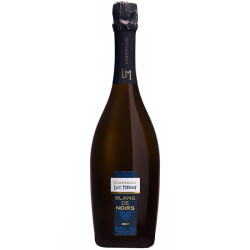
- Blanc de Noirs: Made exclusively from black grapes (Pinot Noir or Pinot Meunier), it offers powerful and contrasted aromas, making it suitable for pairing with complex dishes.
- Rosé Champagne: Fashionable for its summer color, it is made either by macerating red grape skins or adding red Champagne wine. Rosé Champagnes are typically brut and can be made via skin contact or blending with red wine.
Types of Champagne Based on Dosage
After the second fermentation, the space previously occupied by the lees is filled with a liqueur d'expédition, which can be:
- Ultra Brut or Brut Nature: This Champagne has no added sugar (less than 6 grams per liter), offering a dynamic and precise taste.
- Brut: The flagship cuvée for most houses, it is essential for aperitifs and showcases the unique taste of the grape variety, terroir, and winemaking skills.
- Sec and Demi-Sec: Less renowned, these Champagnes are gaining popularity for their freshness and lightness, offering unique pairing possibilities.
- Doux: The sweetest Champagne with the most significant sugar content, providing a powerful and sweet flavor explosion.
Vintage and Non-Vintage Champagnes
- Non-Vintage Champagne: Made from a blend of wines from different years, it represents the house style and consistency.
- Vintage Champagne: Produced from grapes of a single exceptional year, it is meant to highlight the unique qualities of that vintage.
- Special and Prestige Cuvées: Crafted to enhance their aromas, these include vintage Champagnes, special cuvées from refined selections, and prestige cuvées aged for several years.
Non-Sparkling Wines from Champagne
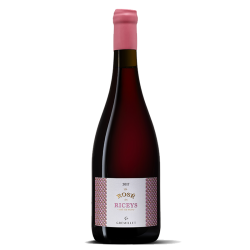
Although known for its sparkling wines, the Champagne region also produces "still wines" such as Coteaux Champenois and Rosés des Riceys.
Choosing the Right Champagne
Selecting Champagne for different occasions involves understanding your preferences and the characteristics of various types. General guidelines include:
- Aperitif: Choose Brut or Extra Brut Champagnes.
- Dessert: Opt for Doux, Sec, or Demi-Sec Champagnes.
- Gastronomic Pairing: Blanc de Blancs, Blanc de Noirs, or vintage Champagnes work well.
- Special Occasions: Blanc de Blancs stands out for its freshness and elegance.
Discovering Champagne Directly from Producers
Champagne is an art in the hands of the producer. The quality of vineyard care, blending precision, and aging choices are crucial. At Avenue des Vins, we offer over 450 cuvées from more than 50 producers. We support direct producer purchases, allowing you to explore and choose from authentic Champagne houses.
Explore our selection of Champagne producers, their stories, and their creations by buying directly from the source.
Our nuggets
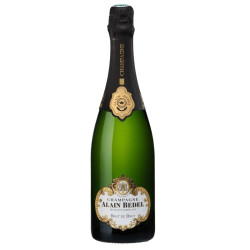
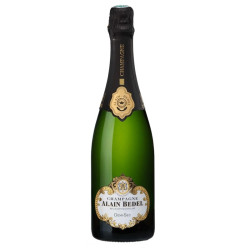
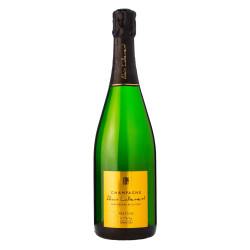
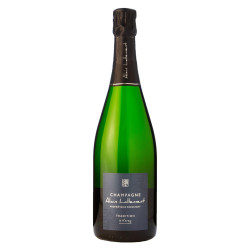
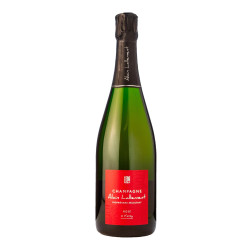
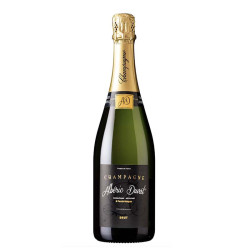
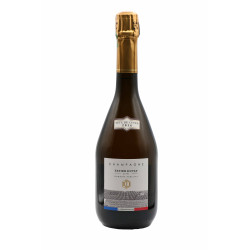
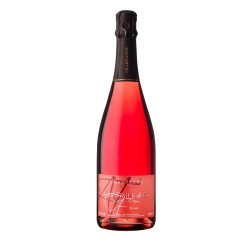
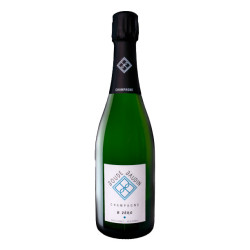
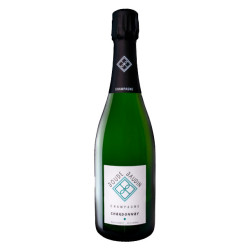
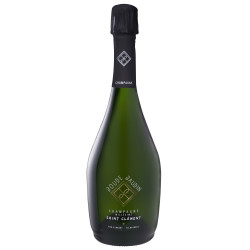
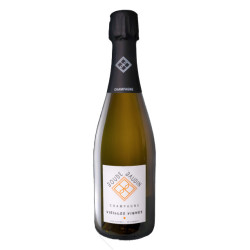
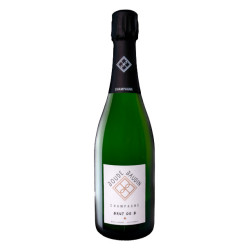
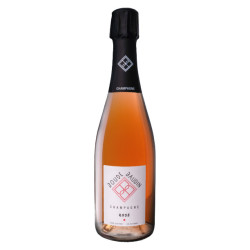
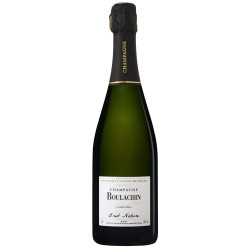
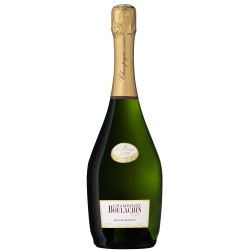
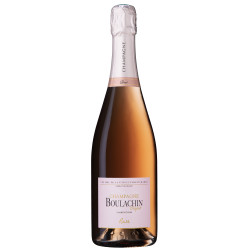
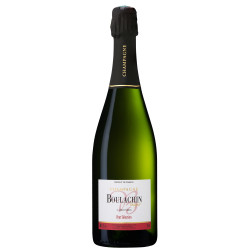
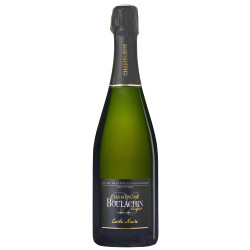
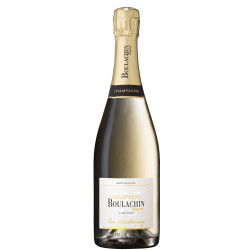
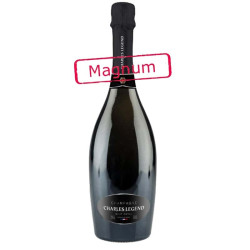
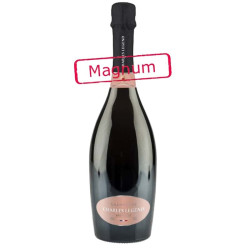
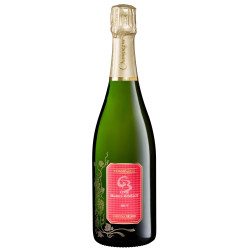
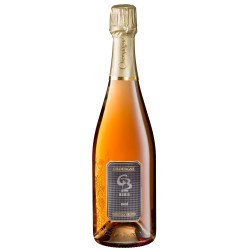
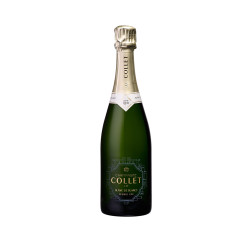
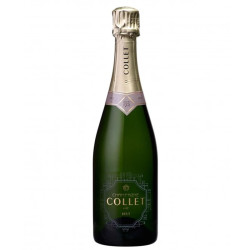
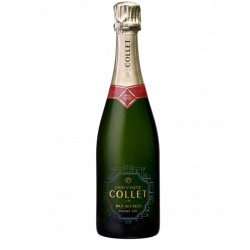
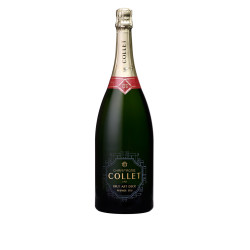
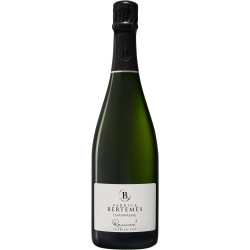
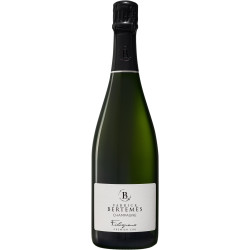
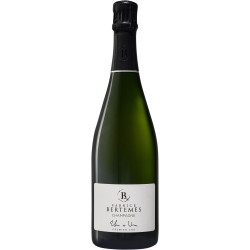
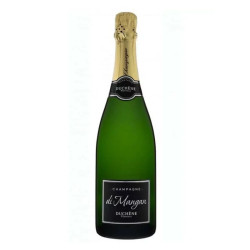
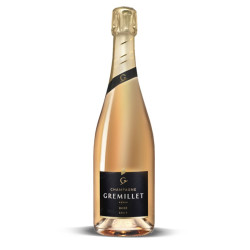
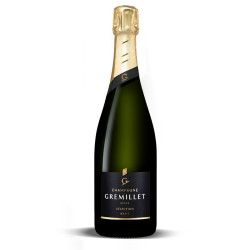
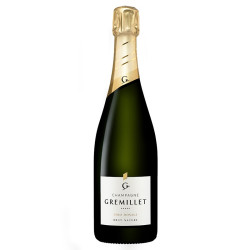
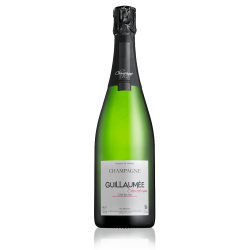
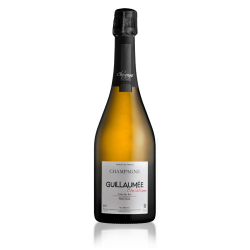
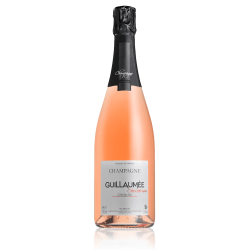
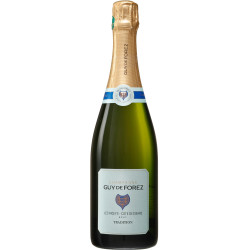
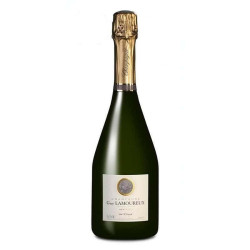
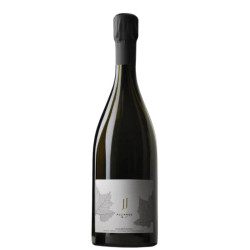
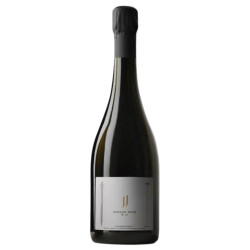
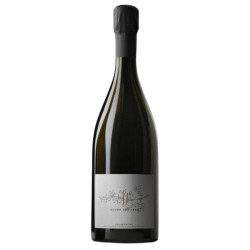
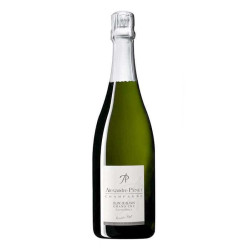
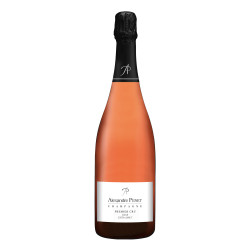
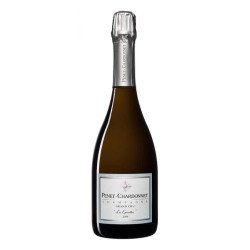
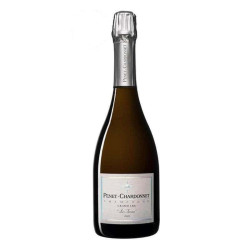
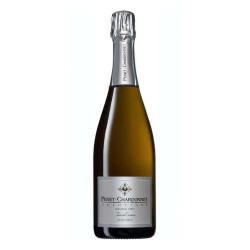
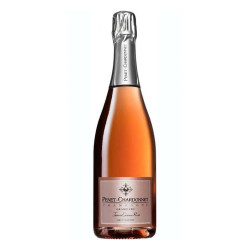
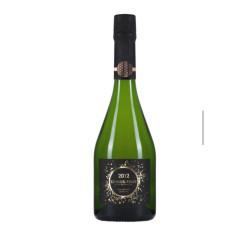
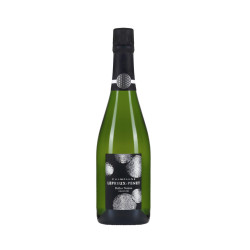
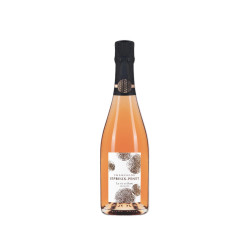
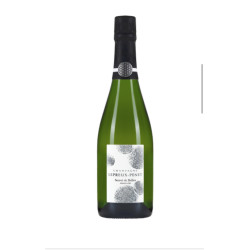
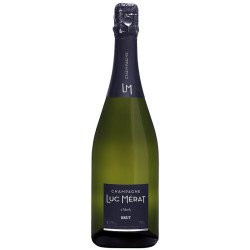
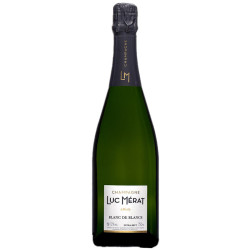
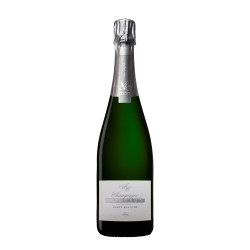
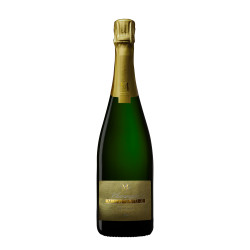
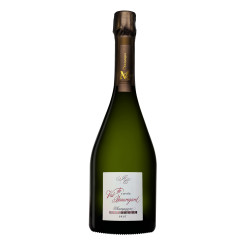
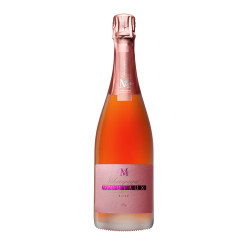
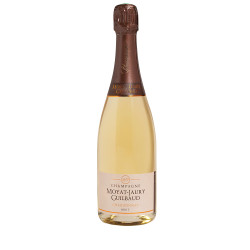
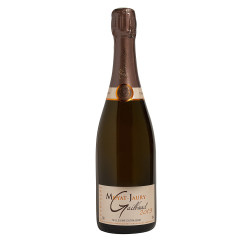
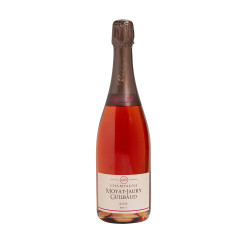
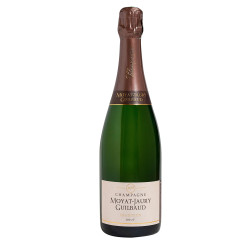
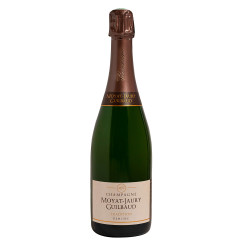
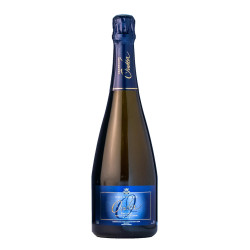
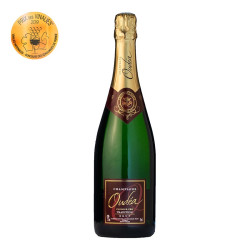
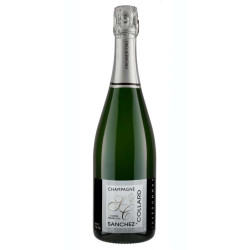
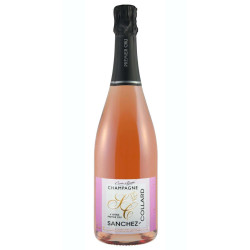
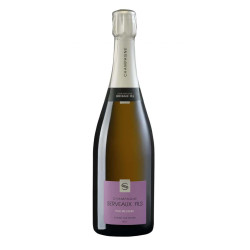
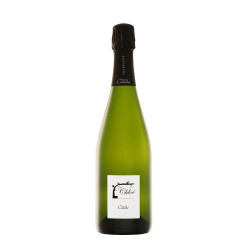
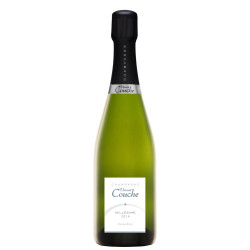
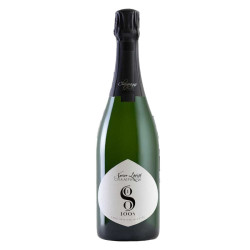
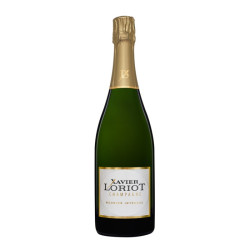
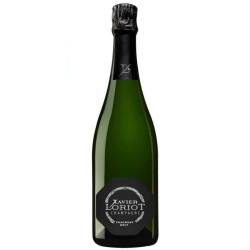
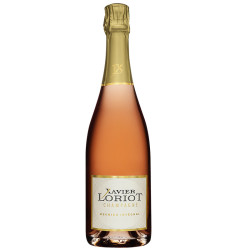
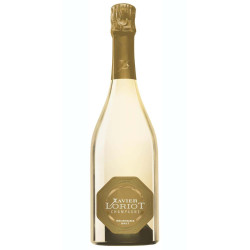
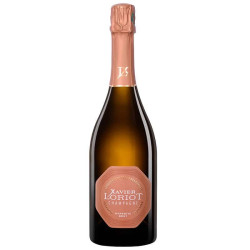
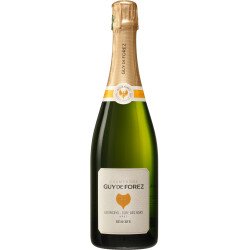
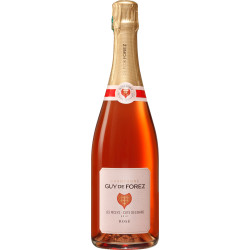
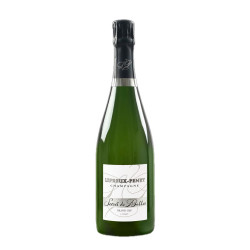
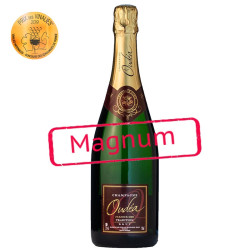
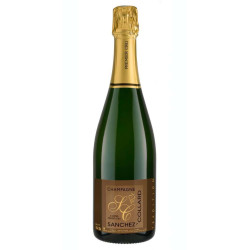
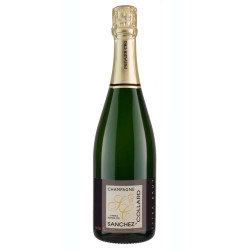
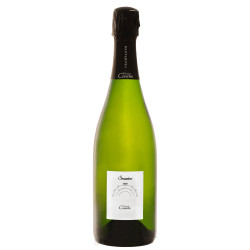
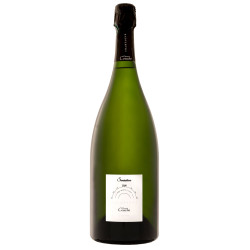
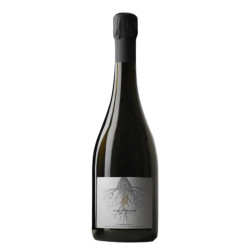
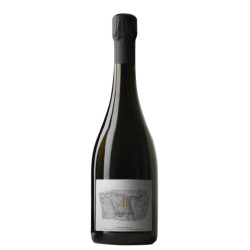
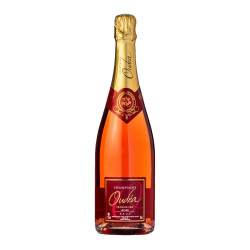
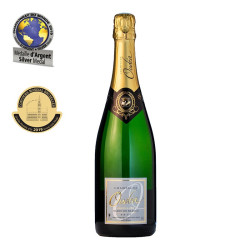
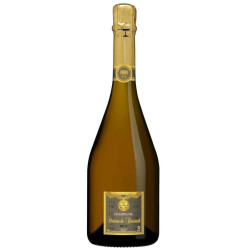
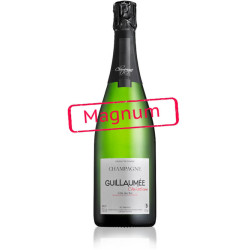
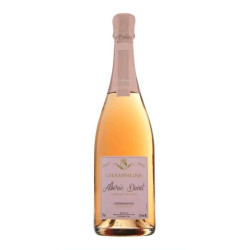
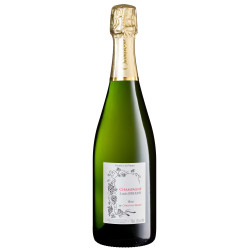
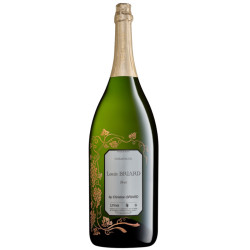
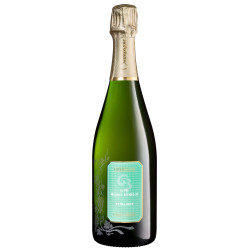
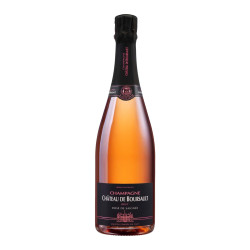
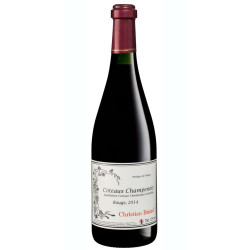
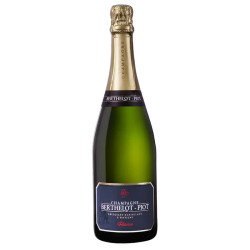
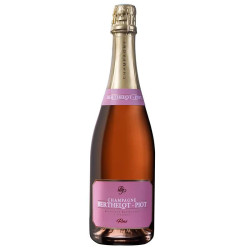
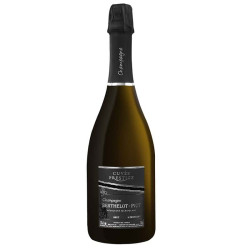
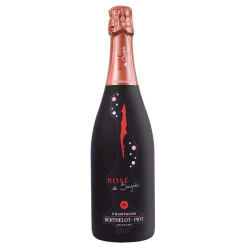
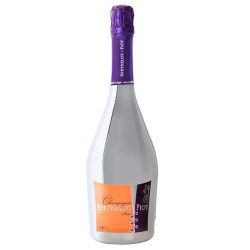
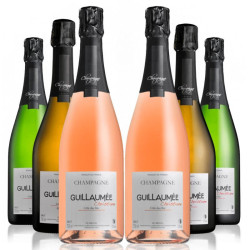
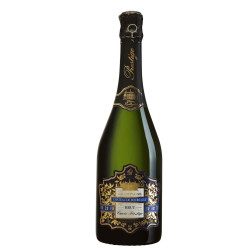
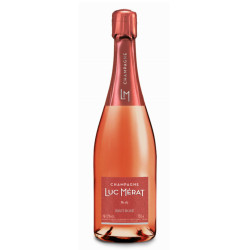
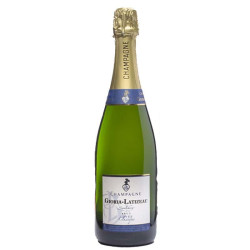
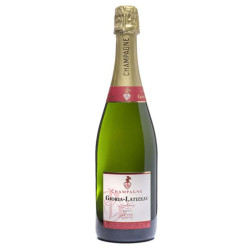
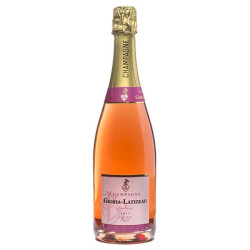
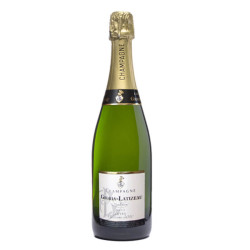
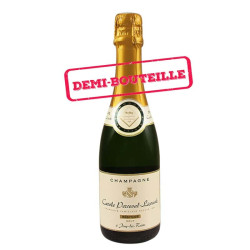
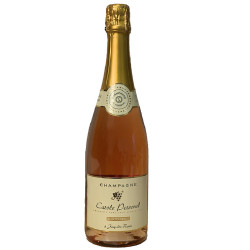
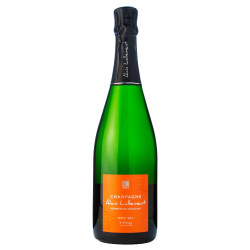
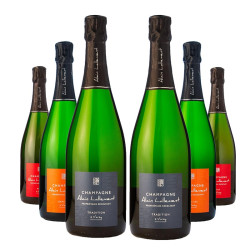
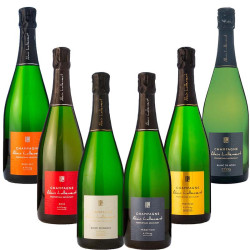
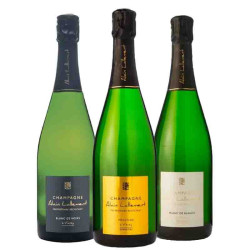
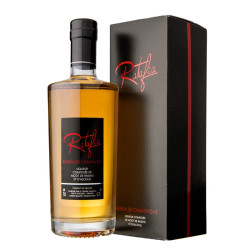
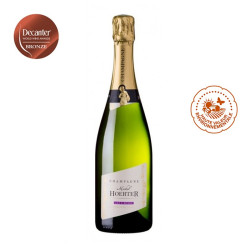
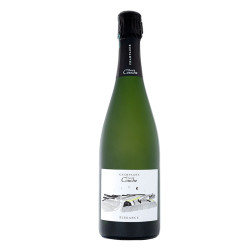
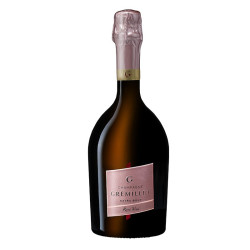
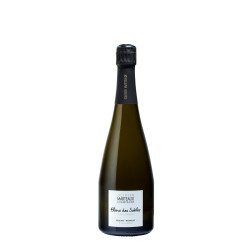
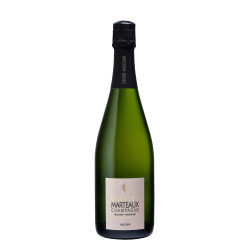
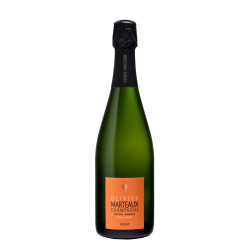
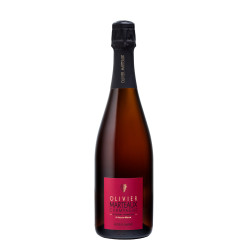
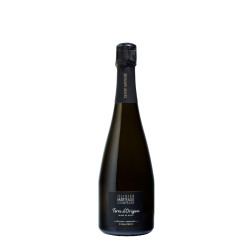
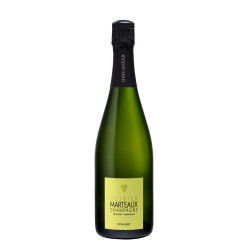
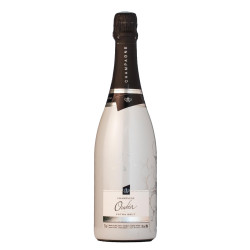
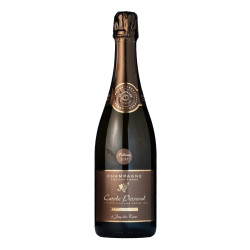
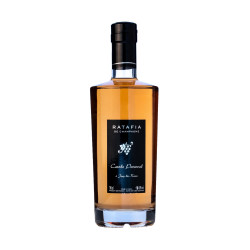
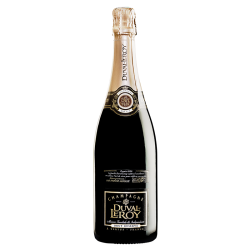
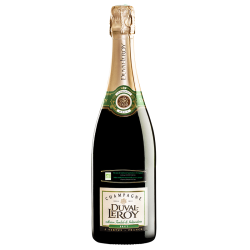
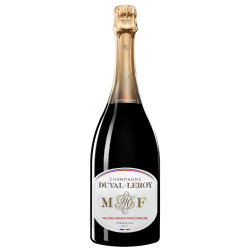
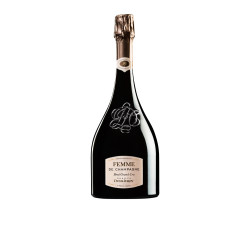
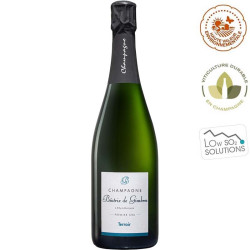
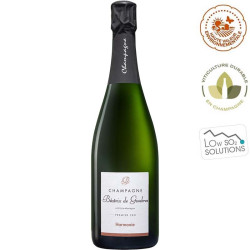
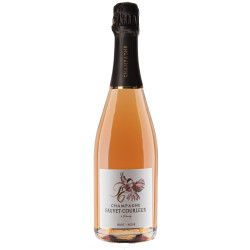
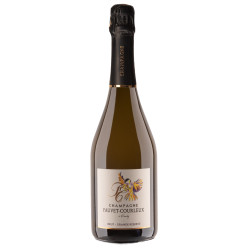
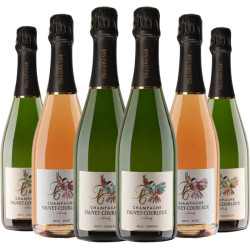
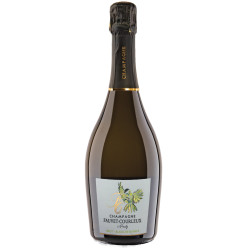
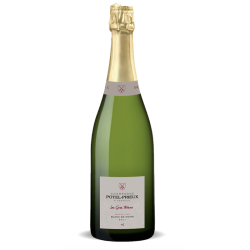
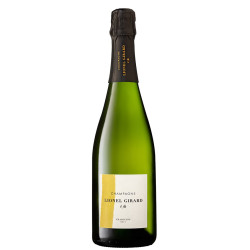
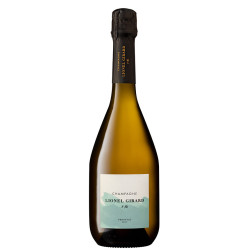
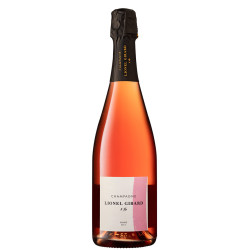
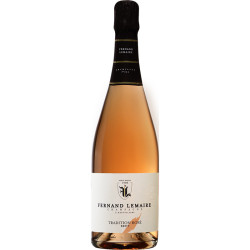
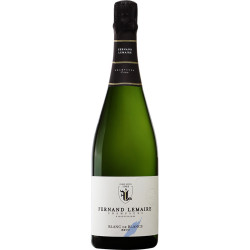
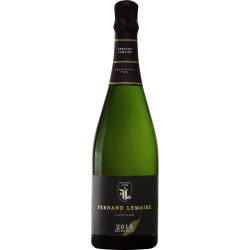
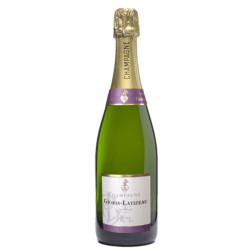
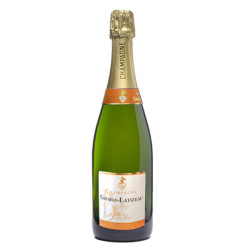
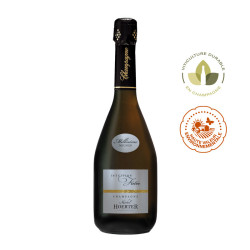
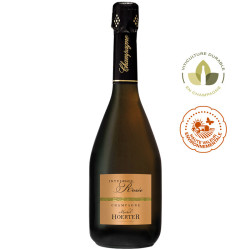
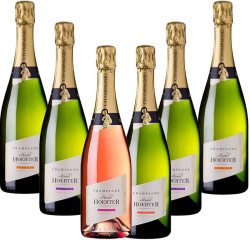
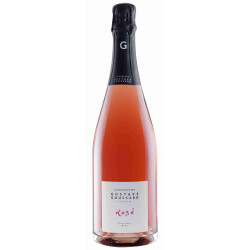
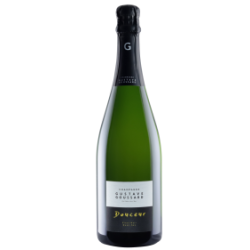
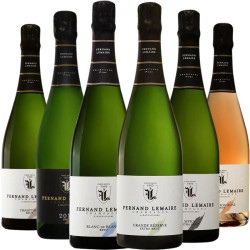
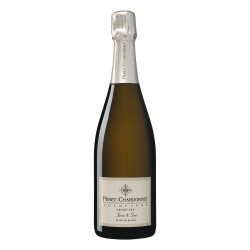
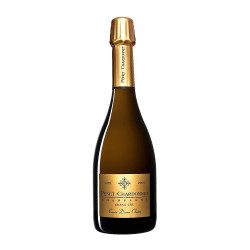
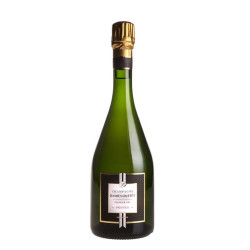
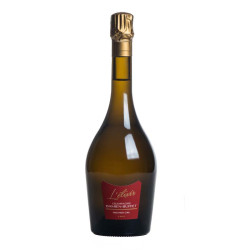
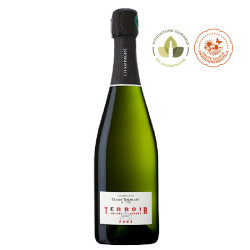
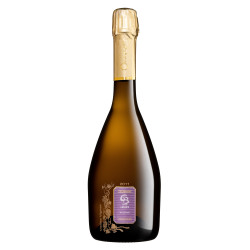
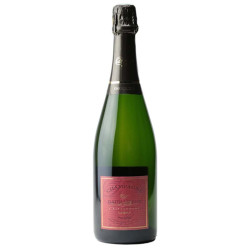
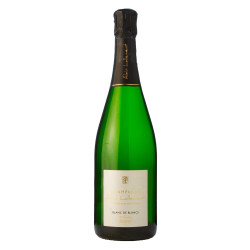
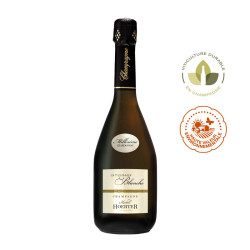
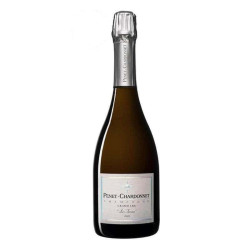
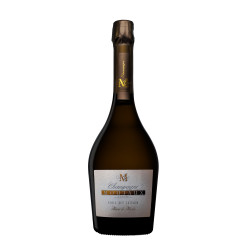
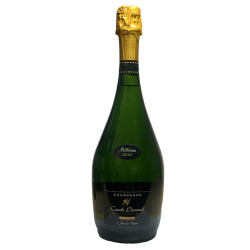
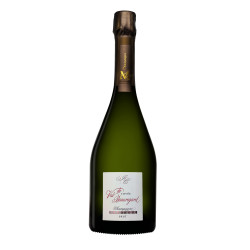
Penet-Chardonnet Grand Cru - Terroir & Sens Blanc de Blancs Extra Brut
LA MAISON PENET
Champagne
€98.00
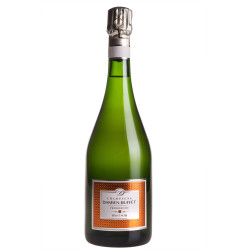
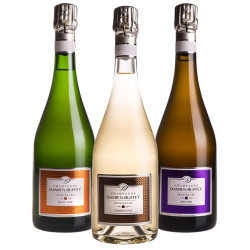
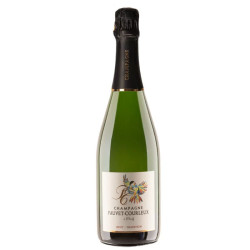
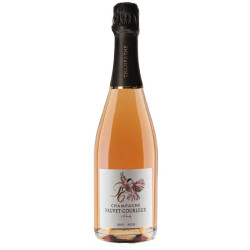
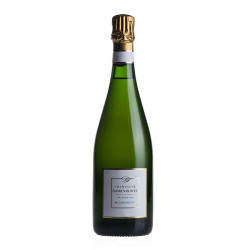
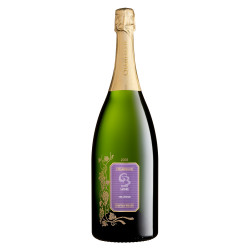
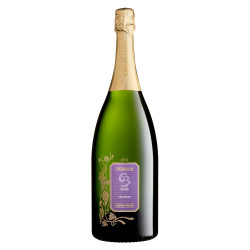
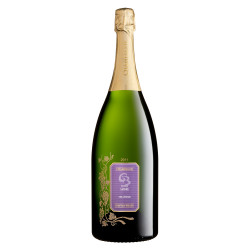
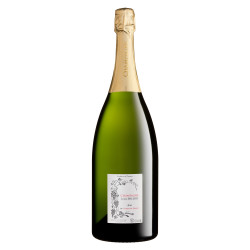
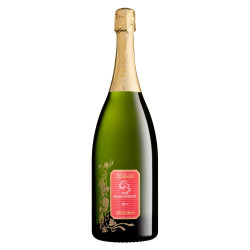
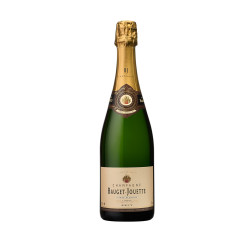
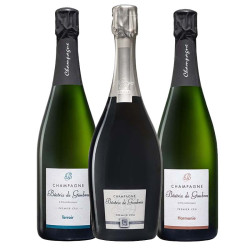
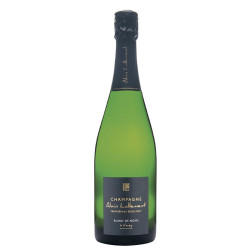
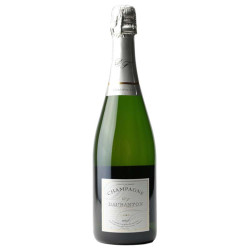
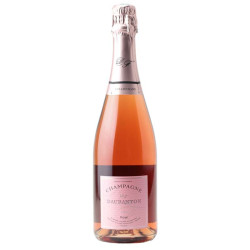
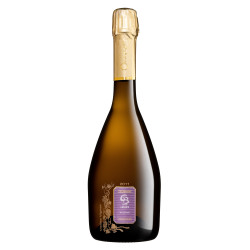
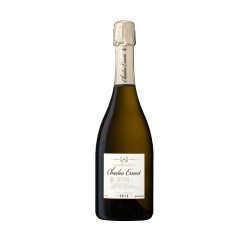
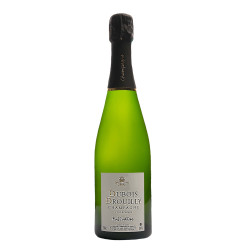
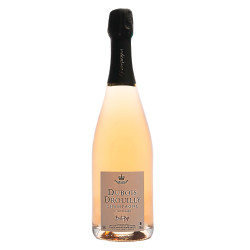
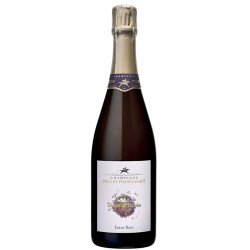
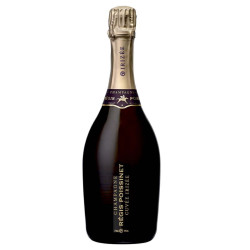
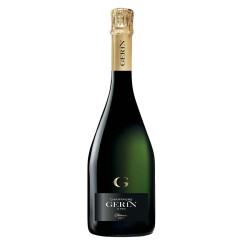
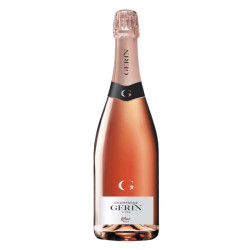
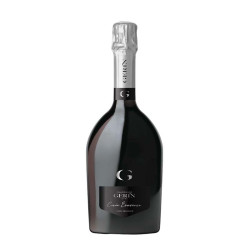
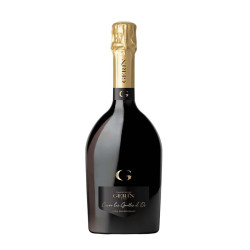
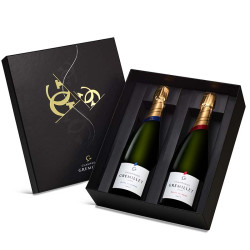
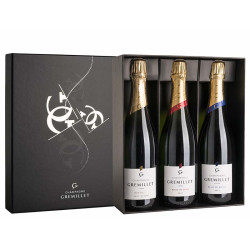
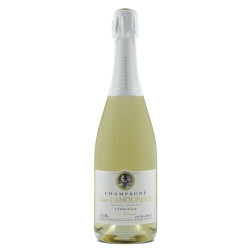
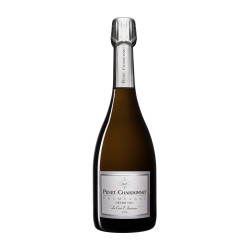
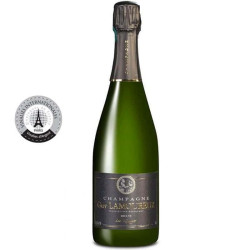
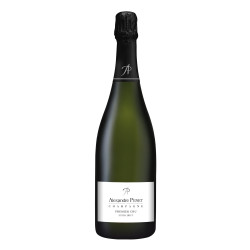
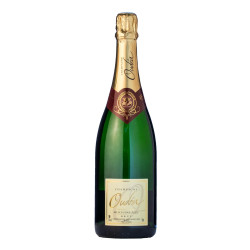
Penet-Chardonnet Grand Cru - Lieu-Dit "La Croix L'Aumonier" Extra Brut
LA MAISON PENET
Champagne
€166.00
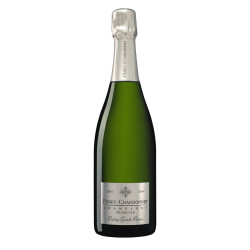
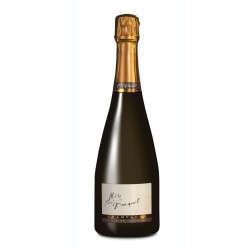
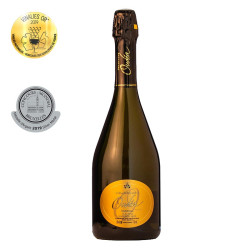
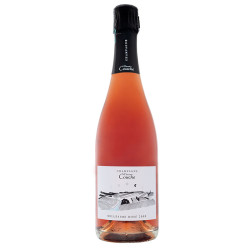
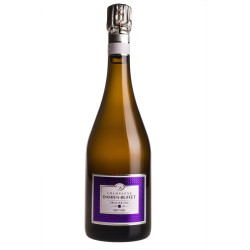
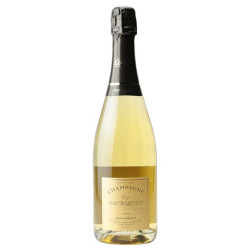
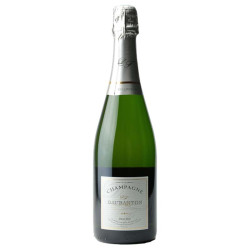
Penet-Chardonnet Grand Cru - Prestige Grande Réserve Multimillésime
LA MAISON PENET
Champagne
€135.00
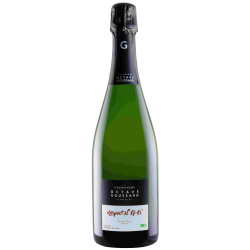
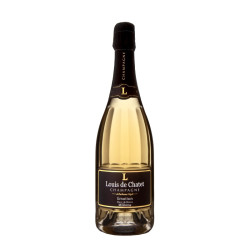
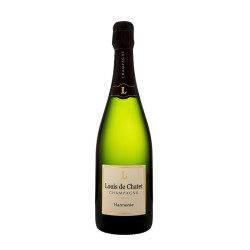
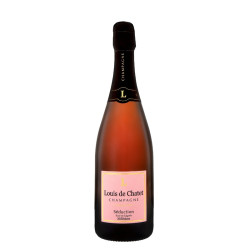
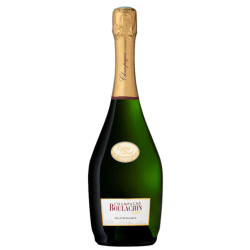
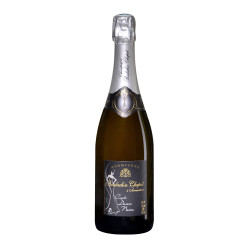
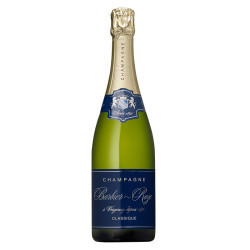
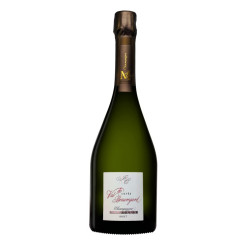
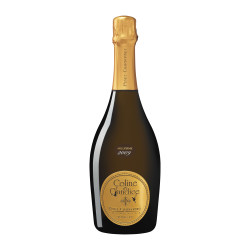
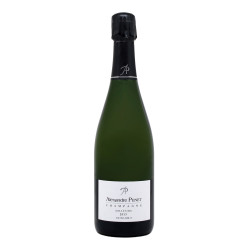
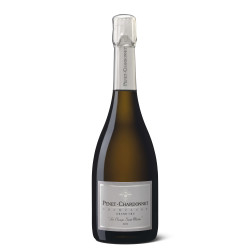
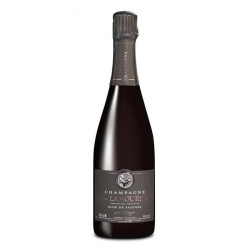
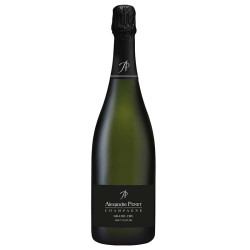
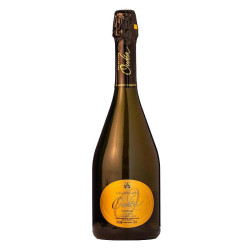
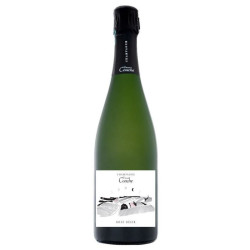
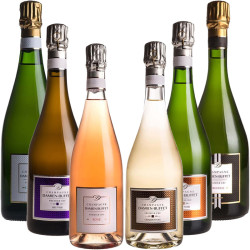
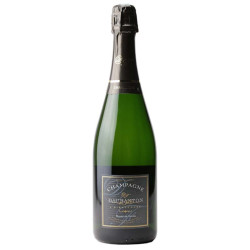
Penet-Chardonnet Grand Cru - Lieu-Dit "Les Champs Saint Martin" Extra Brut
LA MAISON PENET
Champagne
€166.00
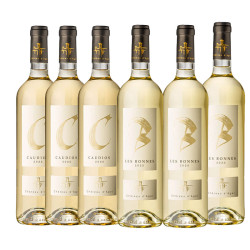
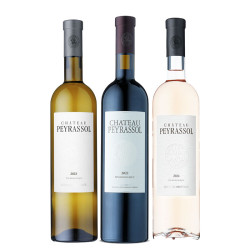
Coffret Château Peyrassol
Maison Austruy - Commanderie de Peyrassol
Provence Alpes Côte d'Azur
€69.00
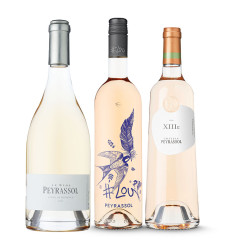
A la découverte du Rosé Peyrassol
Maison Austruy - Commanderie de Peyrassol
Provence Alpes Côte d'Azur
€68.00
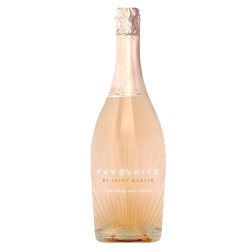
Favorite Sparkling Rosé – Désalcoolisée 0%
Château de Saint-Martin
Provence Alpes Côte d'Azur
€29.90
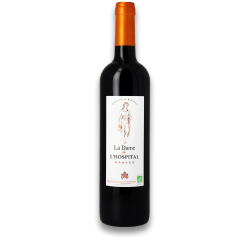
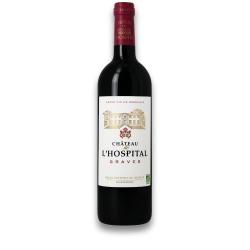
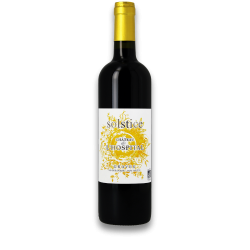
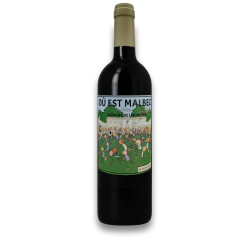
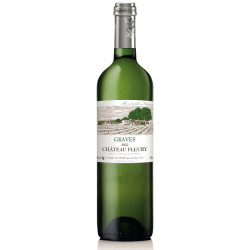
Château Fleury 2022 Graves blanc sec - Vignobles Olivier Fleury
Les Vignobles Olivier Fleury
Bordeaux
€36.00
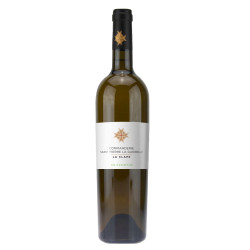
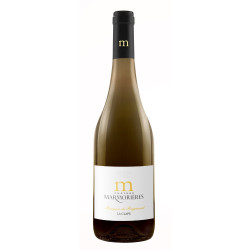
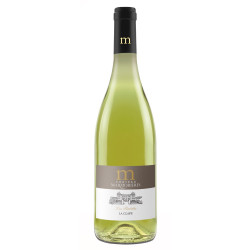
Commanderie Saint Pierre La Garrigue - Cru d'Exception Blanc
Domaine de Marmorières
Languedoc Roussillon
€32.00
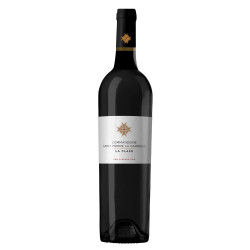
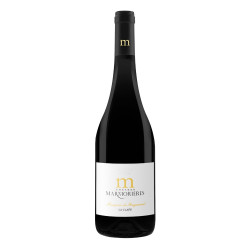
Commanderie Saint Pierre La Garrigue - Cru d'Exception Rouge
Domaine de Marmorières
Languedoc Roussillon
€32.00
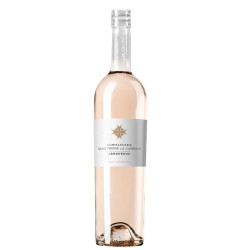
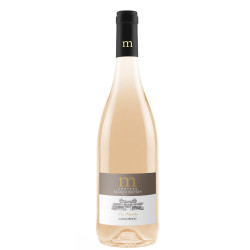
Commanderie Saint Pierre La Garrigue - Cru d'Exception Rosé
Domaine de Marmorières
Languedoc Roussillon
€16.00