Delivery from €16.90 per winemaker in Europe (excluding the United Kingdom)

Let's eat !
Which white wine to drink with foie gras?
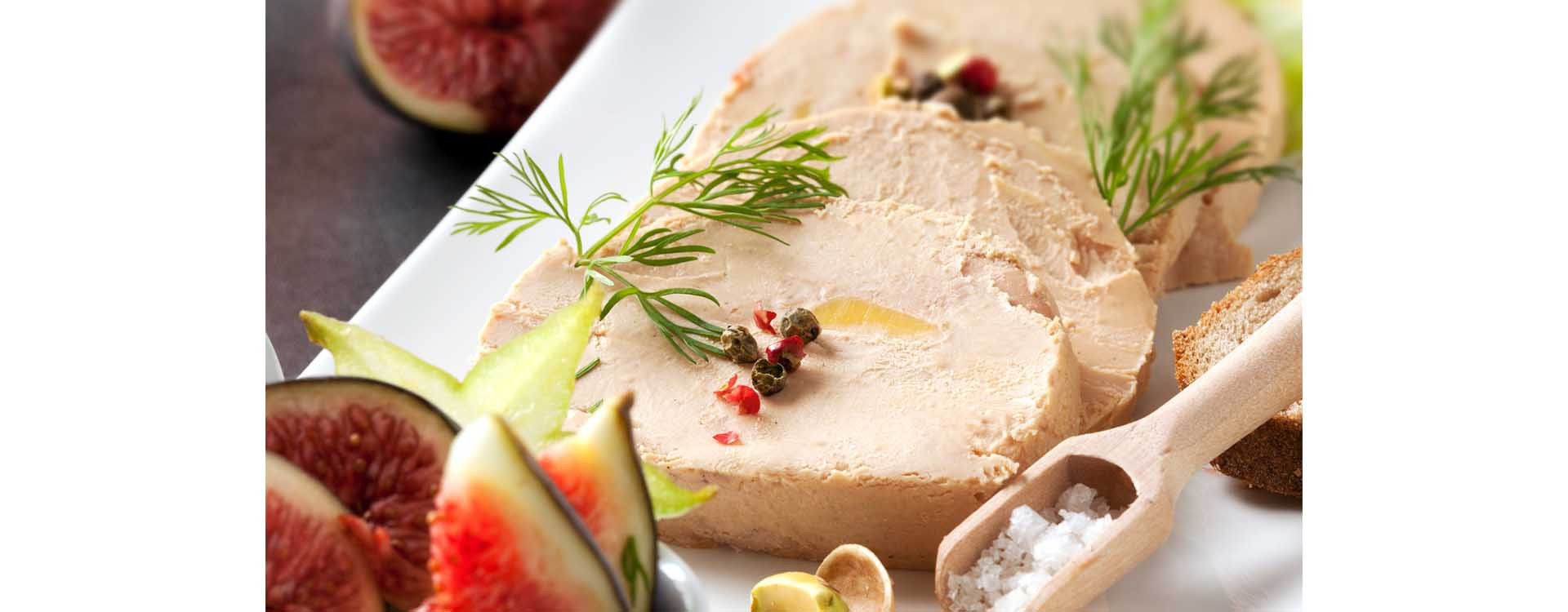
With a semi-cooked foie gras or a terrine, the great classic remains a sweet white — Sauternes, Monbazillac or Coteaux du Layon — served cool, around 8–10 °C. With pan-seared foie gras, prefer a dry, taut white (Alsace Pinot Gris, Loire Chenin); with homemade foie gras, a semi-dry or an unoaked Chardonnay. Avoid over-chilling the wine, which would set the fat in the mouth.
Foie gras, whether from duck or goose, holds pride of place on festive tables. Delicate, unctuous, sometimes enriched with a fig chutney or simply sprinkled with a little fleur de sel, it charms with its melting texture and rich flavour. To sublimate this exceptional dish, the choice of wine is crucial. While there is a long tradition of pairings with white wines, other options arise depending on the type of foie gras, its preparation and the order of tasting.
So, which white wine should you drink with foie gras? Cooked, semi-cooked or pan-seared foie gras: here is our complete guide to the ultimate white wine and foie gras pairing!
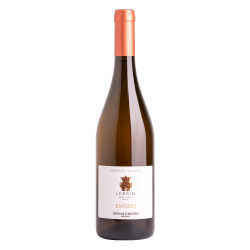
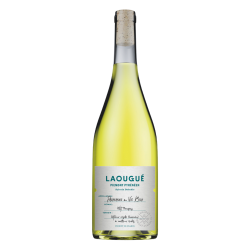
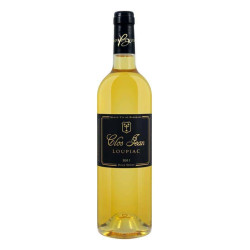
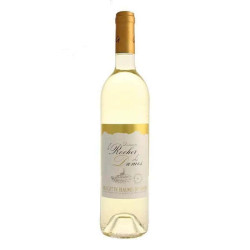
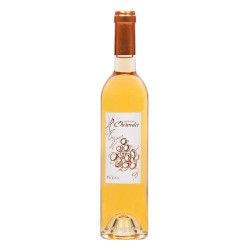
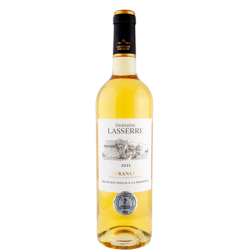
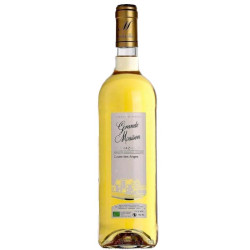
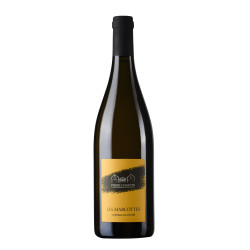
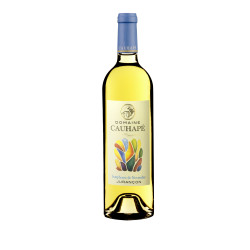
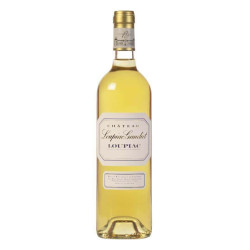
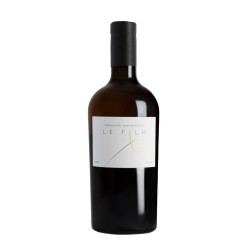
Our selection of white wines : Sauternes, Monbazillac, Jurançon and cuvées from independent winemakers, shipped direct from the cellar at the estate price. See the selection →
Foie gras and wine pairing: the key principles
In France, a slice of foie gras on toast is traditionally paired with sweet wines, with their notes of candied fruit, natural sugar and suave texture, able to match its richness. These white wines bring a gentle contrast and balance the subtle flavour of the foie gras. To achieve the perfect pairing, you also need to consider the moment of tasting (as an aperitif, a starter or a main course), as well as the accompaniments.
Semi-cooked foie gras or terrine: the must-have classics
Semi-cooked foie gras, or foie gras served as a terrine, is the one most often encountered as a starter. In this case, the classic choice remains an AOC Sauternes, with its aromas of dried fruit, honey and flowers. This sweet wine offers a fine pairing with the unctuous texture of the foie gras and underlines its sweet-and-savoury flavour if you serve it with a chutney or a fig jam.
Other sweet wines from the South-West such as Monbazillac, sweet Jurançon or a Loire AOC Coteaux du Layon are excellent options and often show a little more freshness on the palate.
Pan-seared foie gras: time for powerful dry white wines
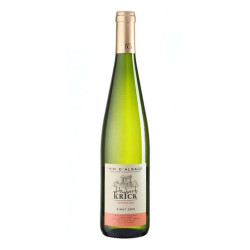
Pan-seared foie gras, served hot, calls for a more taut white wine, able to contrast with its creamy texture and its warmth. Favour a dry yet aromatic white wine, such as an Alsace Pinot Gris or a Loire Chenin Blanc. Their floral notes and fine acidity cleanse the palate between each mouthful.
A white Saint-Joseph from the Rhône based on Grenache Blanc and Roussanne is a good option for those looking for a wine with body and aromatic power. And why not be daring with a vin de liqueur or an orange wine for a memorable pairing?
Homemade or plain foie gras: purity above all
With homemade foie gras, often less salty and more subtle than industrial products, a sweet white wine that is too sugary could overwhelm it. In this case, turn to semi-dry white wines or more mineral cuvées. An Alsace Pinot Blanc or a semi-dry Vouvray offer a foie gras / white wine pairing full of finesse.
For those who wish to stay with dry wines, an unoaked Chardonnay from Burgundy is an excellent choice.
Can you drink red wine with foie gras?
Although white wine remains foie gras's favourite companion, certain red wines can create bold pairings. A light, fruity Pinot Noir, with silky tannins, can accompany a pan-seared foie gras. For
Why buy direct from the winemaker? Because the bottle leaves straight from the estate's cellar, with a traceable vintage and preserved freshness. No intermediary adds a margin: you pay the estate price, the one set by the winemaker themselves, on cuvées from independents that our sommeliers have tasted and hand-picked.
Looking for the perfect bottle? Discover our white wines hand-picked direct from the winemakers to accompany foie gras, shipped from the cellar at the estate price. See the selection →
FAQ - White wine and foie gras pairing
Which white wine should you drink with foie gras?
The great classic is a sweet white such as Sauternes, whose notes of honey and candied fruit marry the unctuousness of the foie gras. For more freshness, opt for a Monbazillac, a sweet Jurançon or a Loire Coteaux du Layon.
Which dry white wine should you choose for a pan-seared foie gras?
Served hot, pan-seared foie gras calls for a dry, taut white that contrasts with its creamy texture. An Alsace Pinot Gris or a Loire Chenin, with fine acidity, cleanse the palate; a white Saint-Joseph will suit lovers of more powerful wines.
Do you necessarily need a sweet wine like Sauternes?
No. The sweet style is traditional with a semi-cooked foie gras or a terrine, but a homemade foie gras, more subtle, pairs better with a semi-dry (Vouvray, Alsace Pinot Blanc) or an unoaked Burgundy Chardonnay, which are less sugary.
Can you drink red wine with foie gras?
Yes, for a bolder pairing. A light, fruity Pinot Noir with silky tannins goes well with a pan-seared foie gras. White wine nonetheless remains the safest companion.
At what temperature should you serve the wine with foie gras?
Serve a sweet white cool, around 8–10 °C, to preserve its balance without masking its aromas; a dry white is best enjoyed closer to 10–12 °C. Avoid over-chilling it, which would set the fat in the mouth.
Why buy your wine directly from the winemaker?
Because you buy the cuvée at the estate price, with no intermediary between the vine and your glass. The wine is shipped directly from the estate's cellar, which guarantees the traceability of the vintage and optimal freshness, on a selection of independent winemakers.