Delivery from €16.90 per winemaker in Europe (excluding the United Kingdom)

Unbeatable !
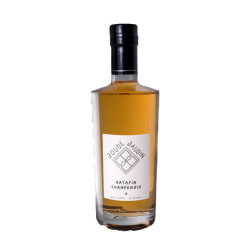
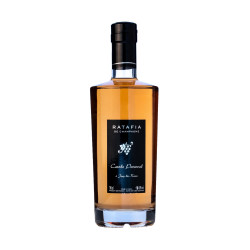
RATAFIA, UNE LIQUEUR PRODUITE AVEC DU MARC DE CHAMPAGNE
Discovering Ratafia: An Ancient and Flavorful Liqueur
What is Ratafia?
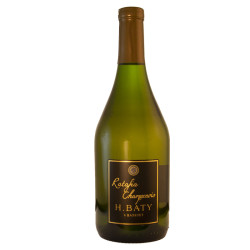
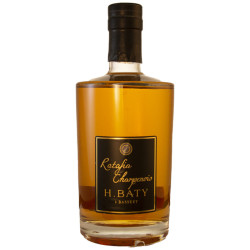
Ratafia, also known as Ratafiat, is a liqueur produced by macerating fruits or grape must in alcohol and sugar. Many winemakers traditionally produce their Ratafia after their vinification, each having their own unique recipe. This wine has a long history, dating back to the Roman Empire or the East Indies, depending on the source. It was also the favorite aperitif of Henri Beyle, known as Stendhal. Yet, it is not widely known today. What is Ratafia and what is its history? Why is it less talked about, and how can we rediscover it?
The History of this Wine Liqueur
Ratafia is an ancient beverage, making it impossible to pinpoint its exact origins. It is likely that it has been made since the advent of viticulture. The origin of the name, though controversial, indicates its deep roots.
The most accepted etymology comes from the East Indies. The French discovered that when drinking a glass of this beverage, the locals would toast in Creole. Among the words spoken during this toast was “Tafia,” to which the French would respond with “Ratafia.” Another origin could be even older, from Latin. The words “Rata Fiat” mean “to ratify” in Latin and may have been spoken over a glass of liqueur to celebrate and validate the ratification of a treaty. Whether its name comes from Latin times or the East Indies, one thing is certain: Ratafia has been around for centuries. In France, however, its popularity has declined since World War II in favor of wines. Consequently, winemakers often keep their Ratafia for personal use rather than commercializing it.
This "Winemaker's Aperitif" has been protected under IGP since January 22, 2015.
The Production Process
Producing Ratafia requires an alcohol base and the addition of fruits. In Champagne, Ratafia is made from grape varieties authorized in the AOP Champagne: mainly Chardonnay, Pinot Noir, or Pinot Meunier.
The alcohol base is usually marc-de-champagne, a neutral-tasting brandy obtained by distilling the grape marc used in Champagne production. Depending on the producer's choice, it can be used young or aged in barrels. But Ratafia Champenois can also be made from wine brandy, wine distillate, or a vinous distillate.
To create Ratafia, the winemaker adds unfermented grape marc to the alcohol base to achieve the distinctive liqueur. This process combines a strong alcoholic content (about 17%) with pronounced grape aromas thanks to the preserved sugar.
Aromas, Tasting, and Pairing
Ratafia offers an aromatic profile that is strong in alcohol, flavor, and sweetness. The aromas vary according to the recipes and terroirs, much like Champagne wines. However, unlike Champagne, it is not sparkling. It is a smooth and expressive drink that highlights and enhances the aromas of dried fruits, candied fruits, honey, flowers, and citrus, characteristic of the region's grape varieties.
This aromatic profile makes it an excellent alternative to fortified wines, such as Port. It can accompany aperitifs, as well as end-of-meal dishes or cheeses. It is also used in cocktails or cooking to flavor dishes and create innovative flavor combinations. As an appetizer, it pairs well with summer fruits like melons and watermelons or festive foie gras. For dessert, it complements fruits and chocolates, as well as fondants and cakes. Or simply enjoy it as an aperitif or digestif.
Our nuggets
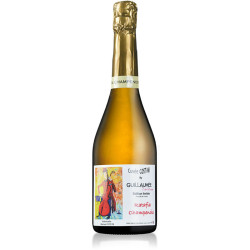
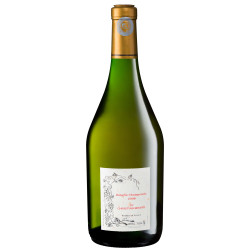
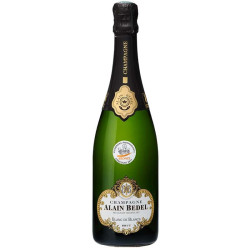
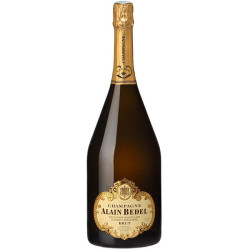
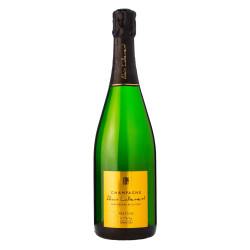
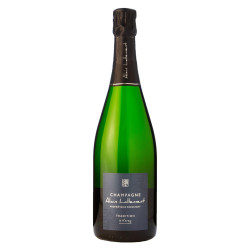
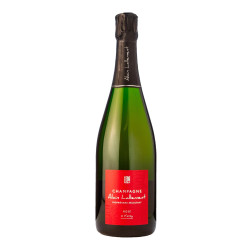
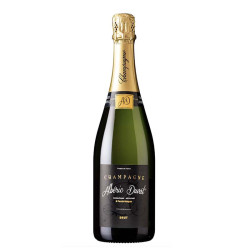
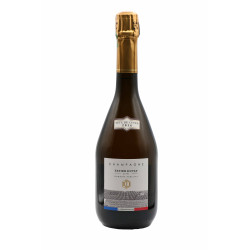
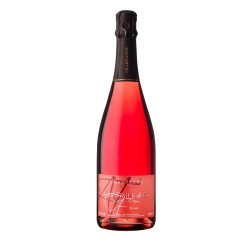
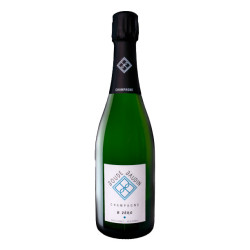
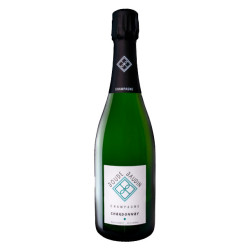
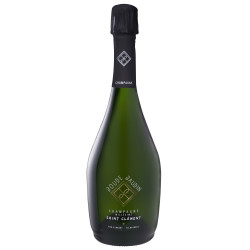
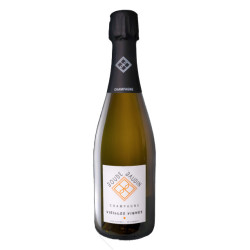
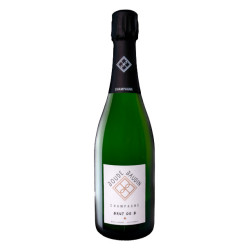
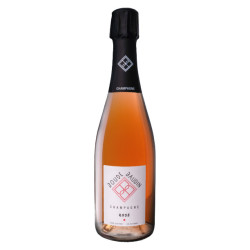
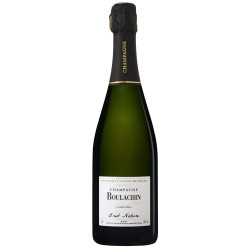
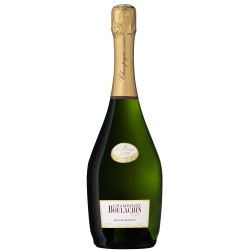
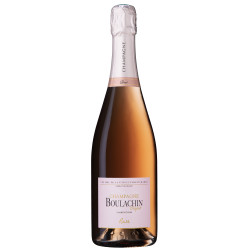
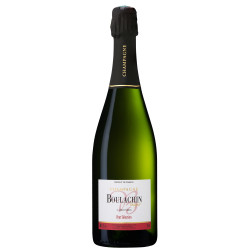
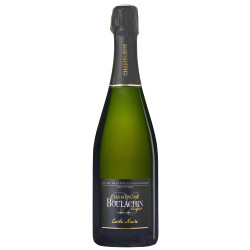
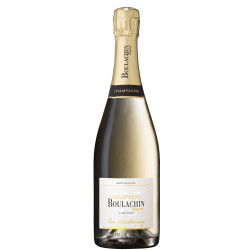
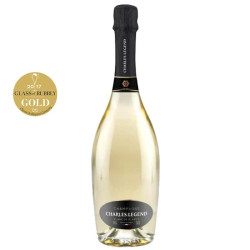
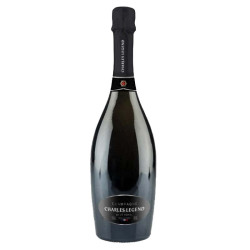
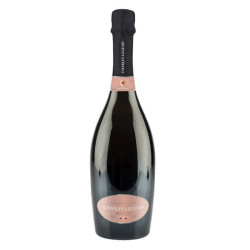
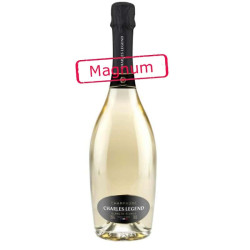
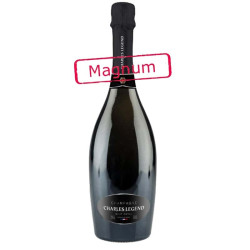
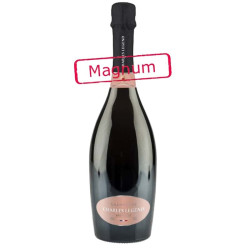
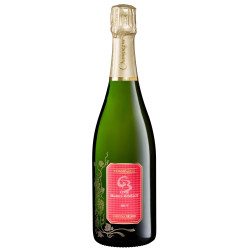
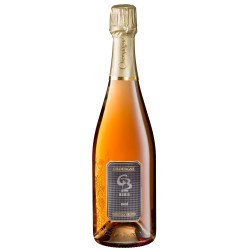
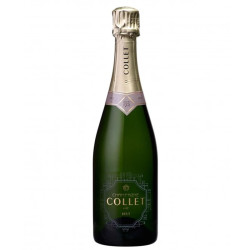
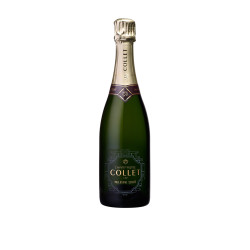
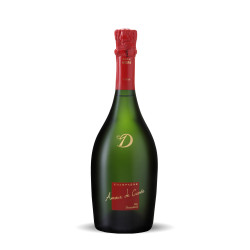
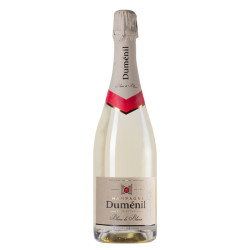
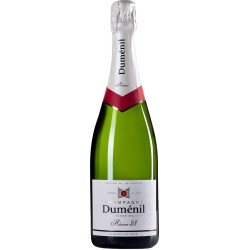
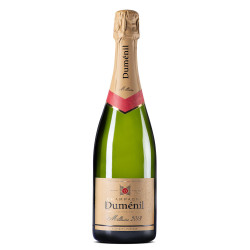
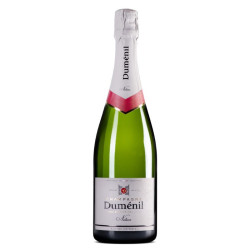
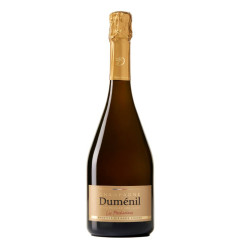
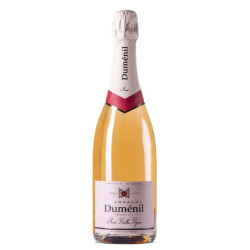
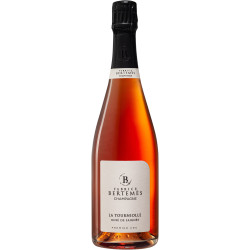
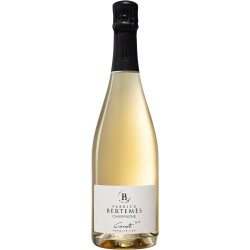
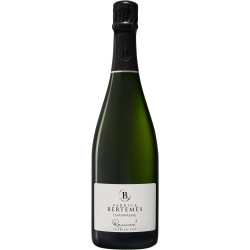
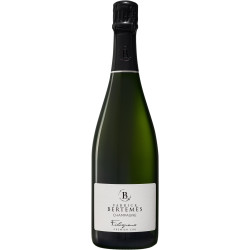
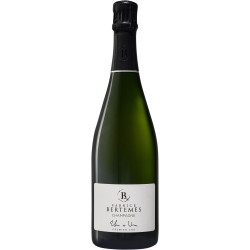
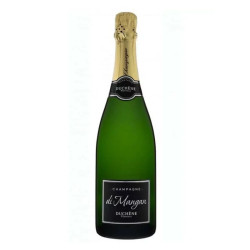
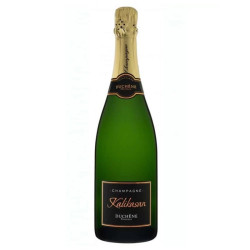
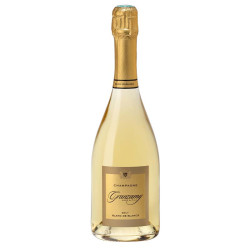
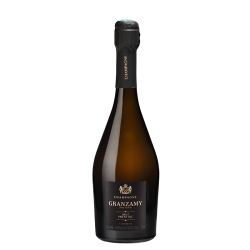
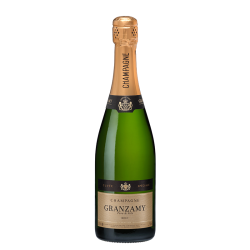
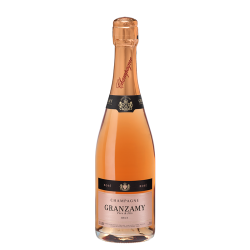
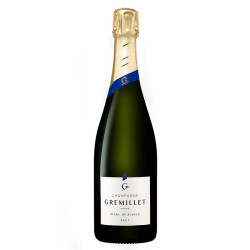
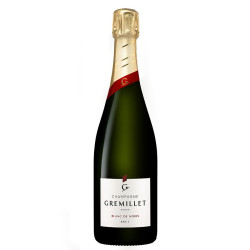
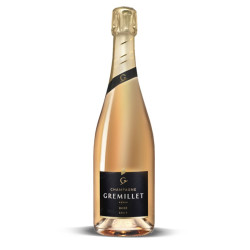
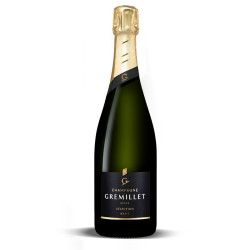
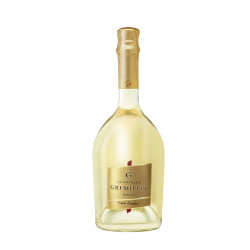
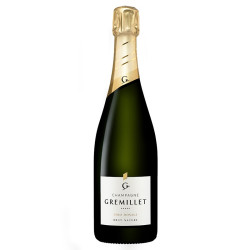
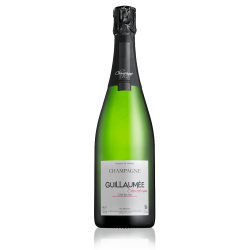
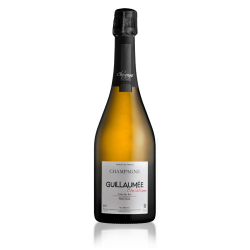
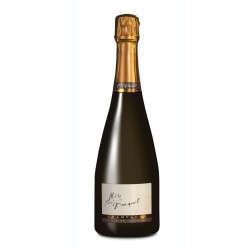
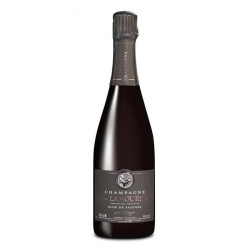
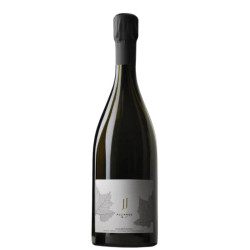
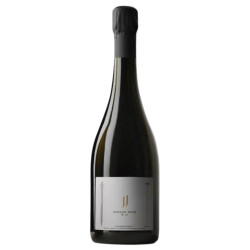
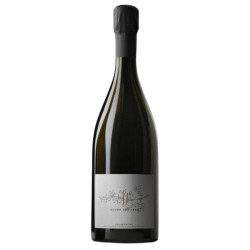
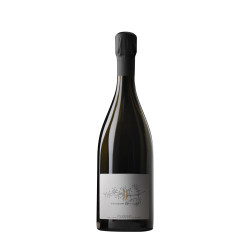
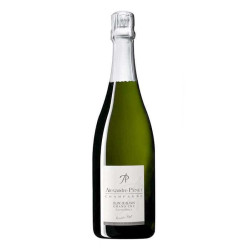
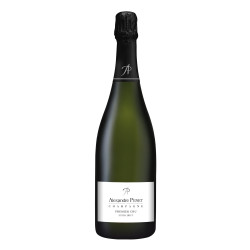
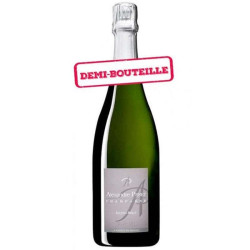
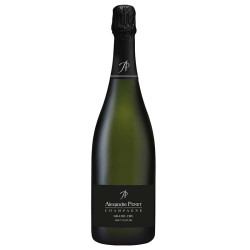
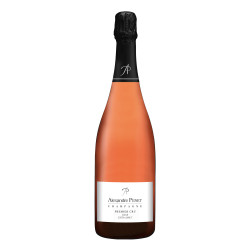
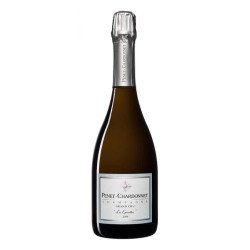
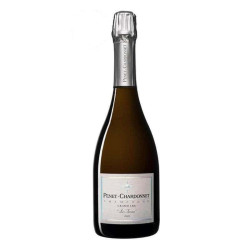
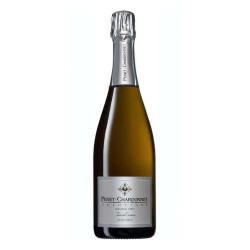
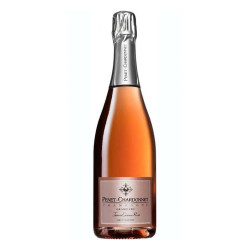
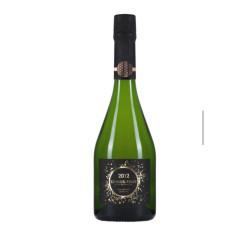
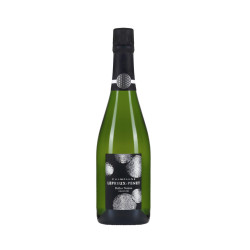
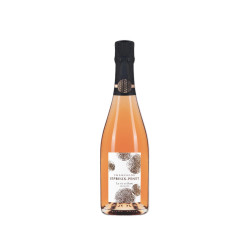
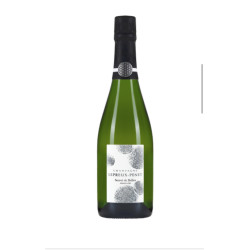
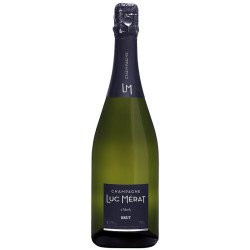
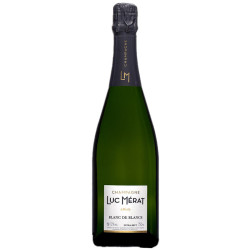
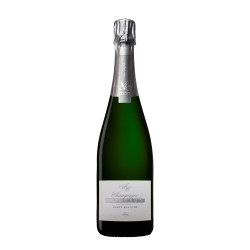
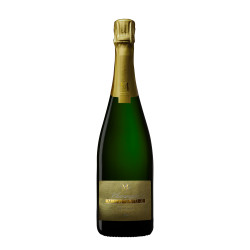
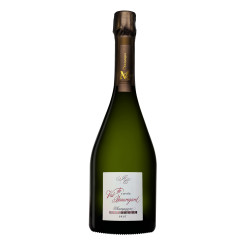
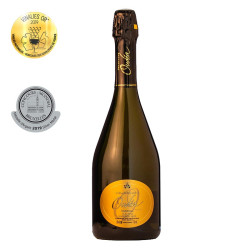
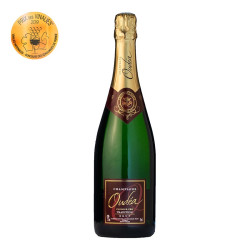
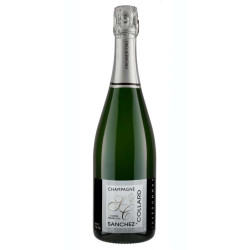
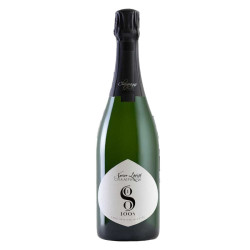
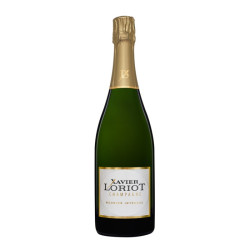

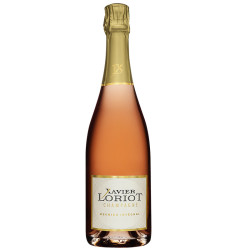

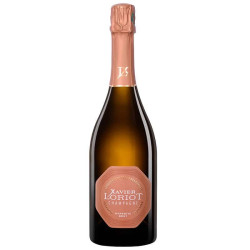
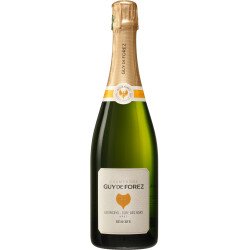
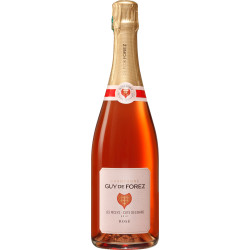
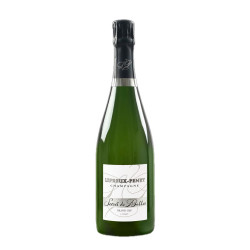
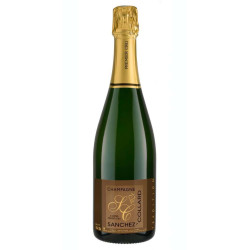
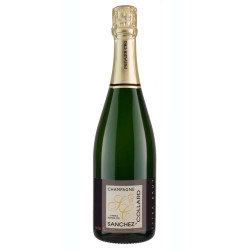
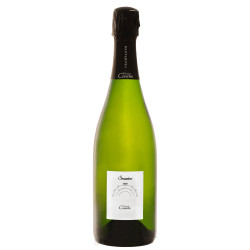
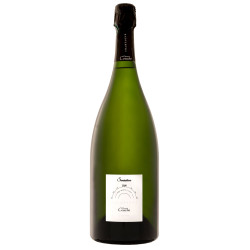
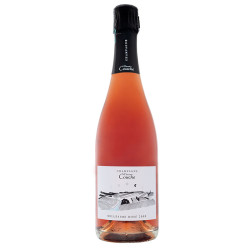
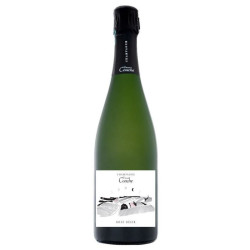
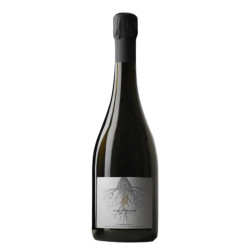
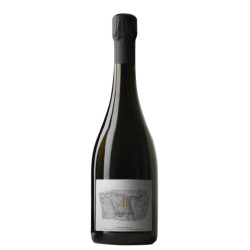
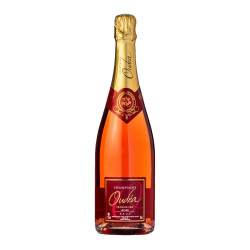

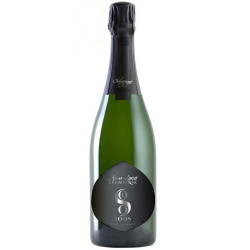
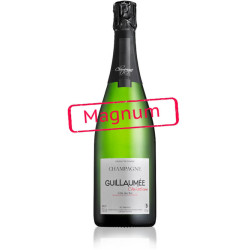
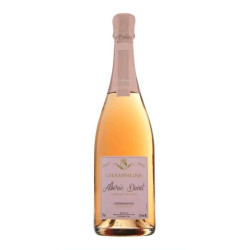
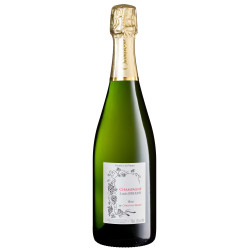
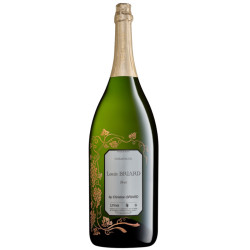
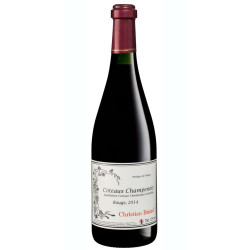
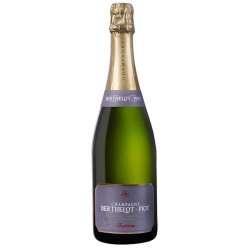
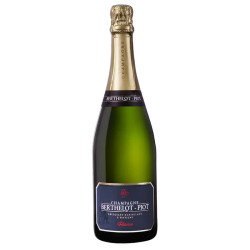
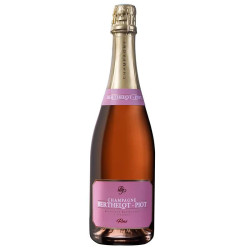
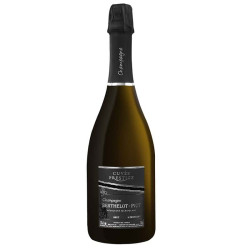
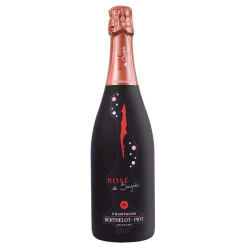
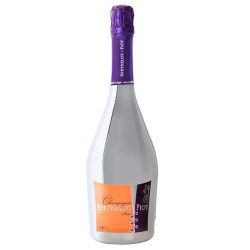

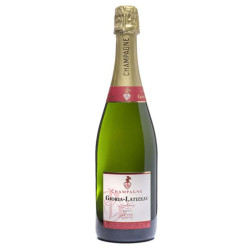
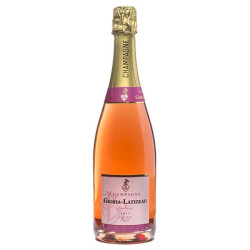
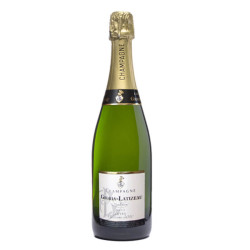

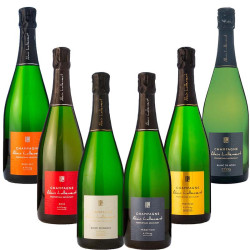

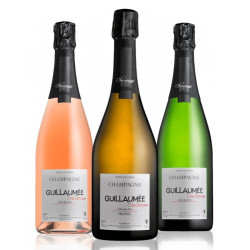
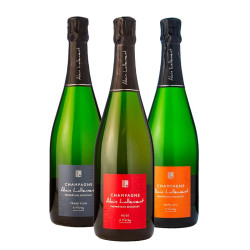
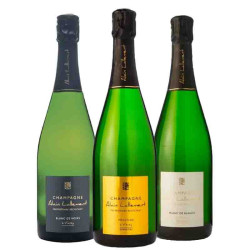



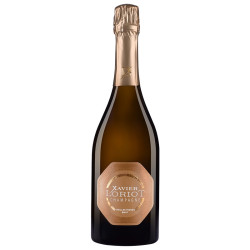
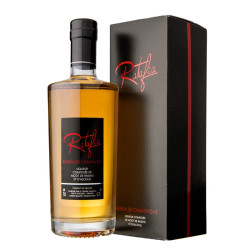

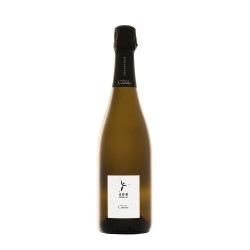
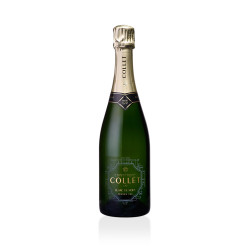
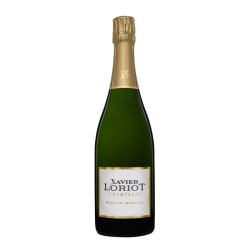

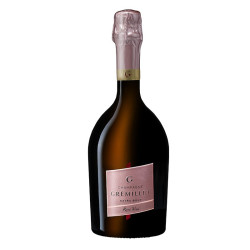
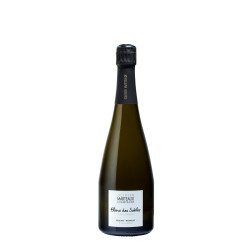
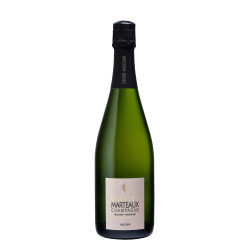
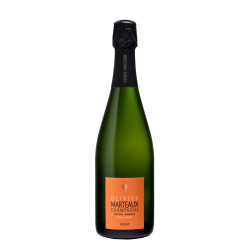
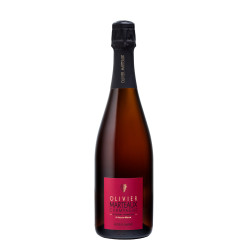
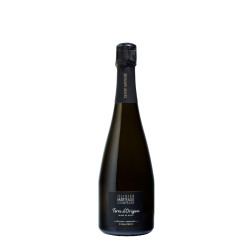
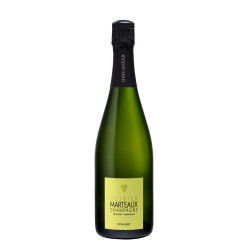
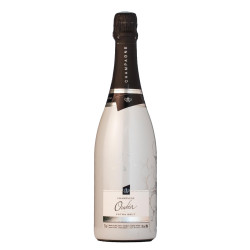
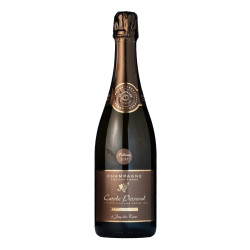
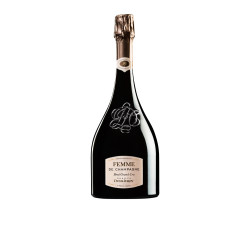
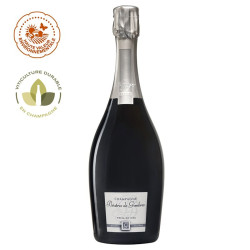
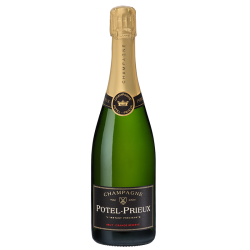
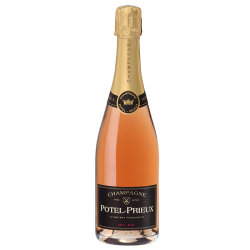
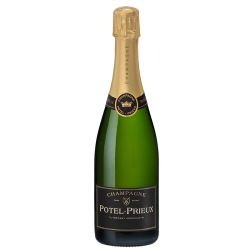
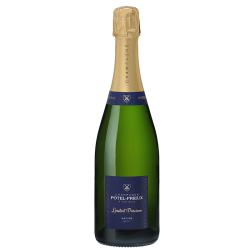
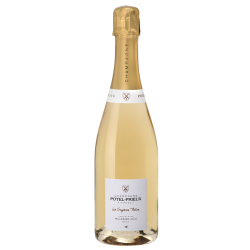
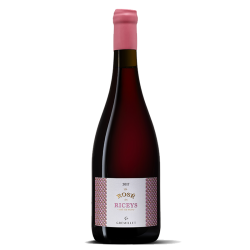
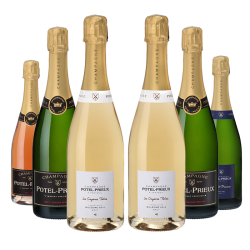
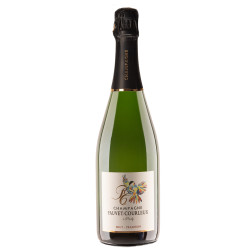
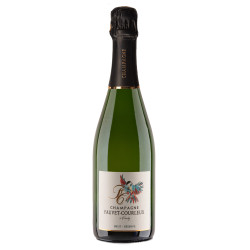
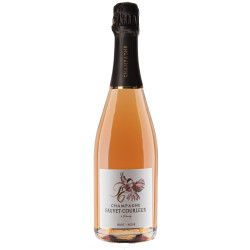
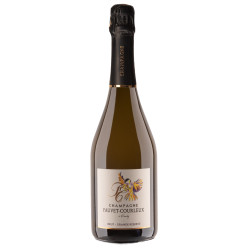
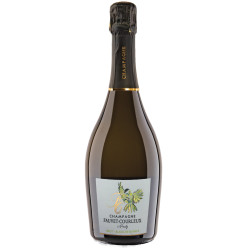
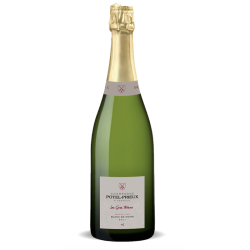
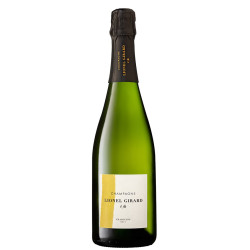
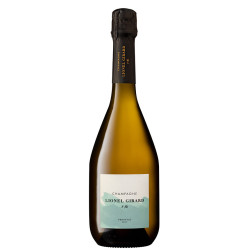
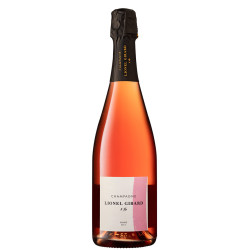
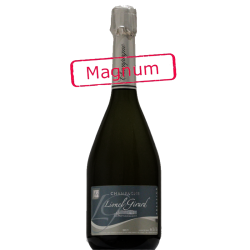
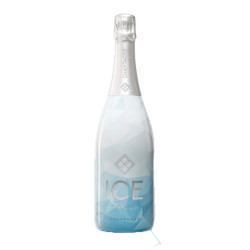
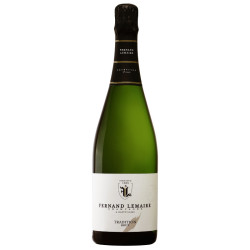
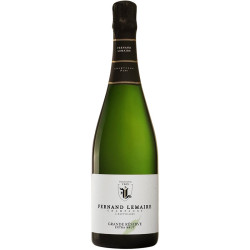
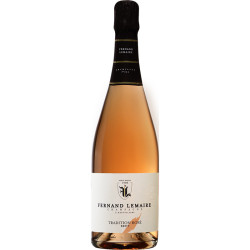
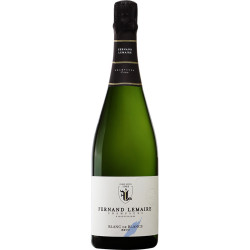
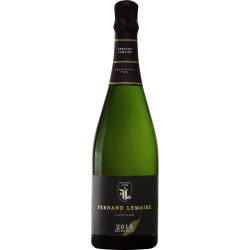
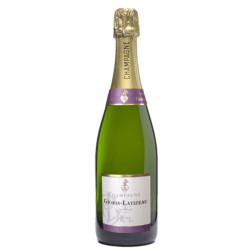
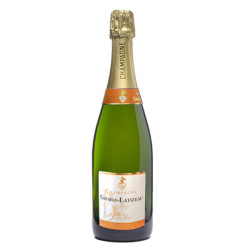
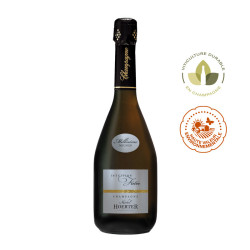
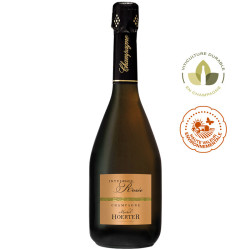

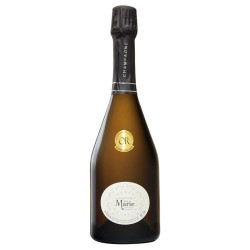
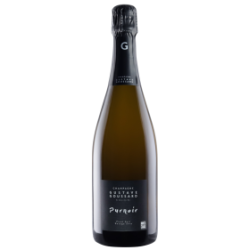
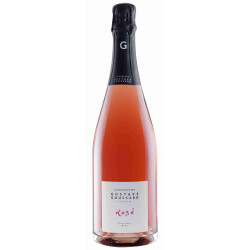
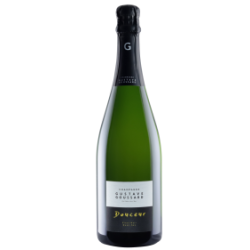

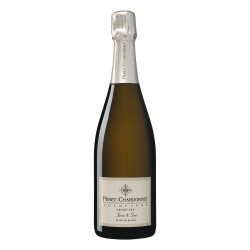
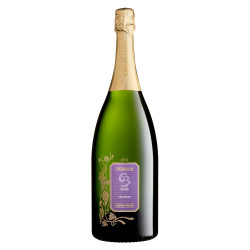
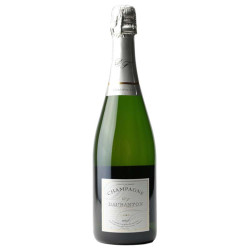
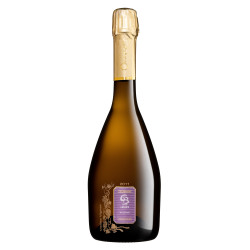
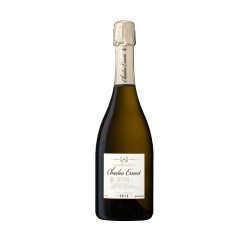
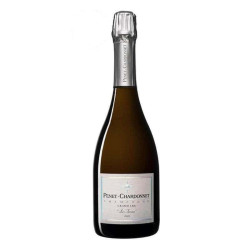
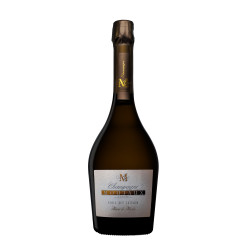
Penet-Chardonnet Grand Cru - Terroir & Sens Blanc de Blancs Extra Brut
LA MAISON PENET
Champagne
€98.00
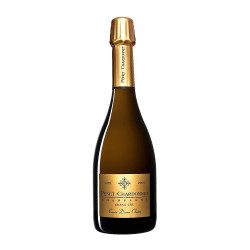
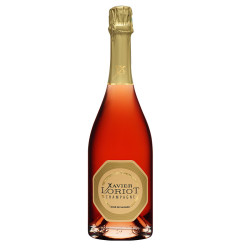

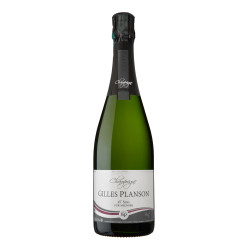

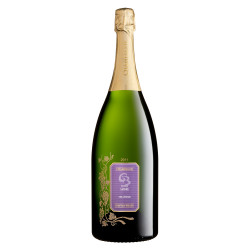
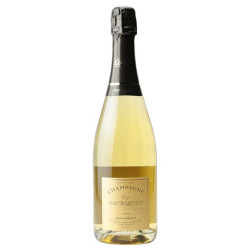

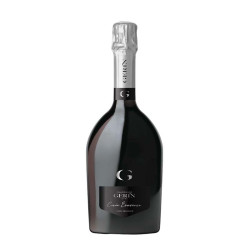
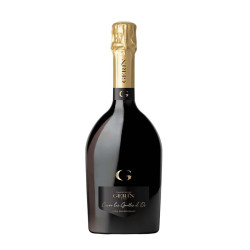
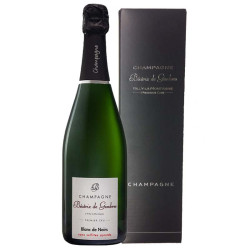
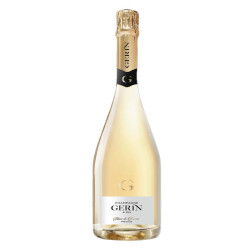
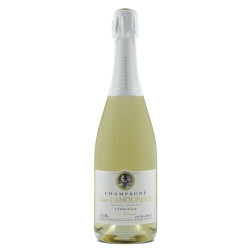
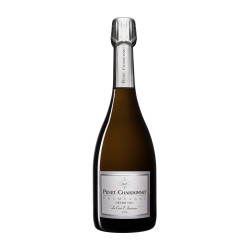
Penet-Chardonnet Grand Cru - Lieu-Dit "La Croix L'Aumonier" Extra Brut
LA MAISON PENET
Champagne
€166.00
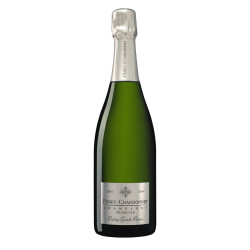
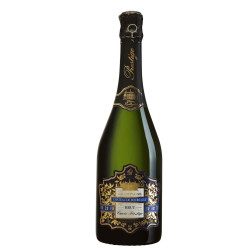
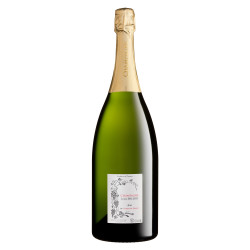
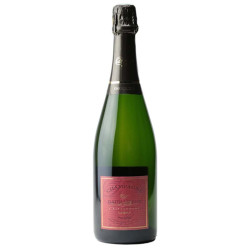
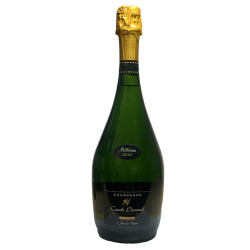
Penet-Chardonnet Grand Cru - Prestige Grande Réserve Multimillésime
LA MAISON PENET
Champagne
€135.00
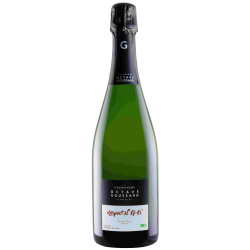
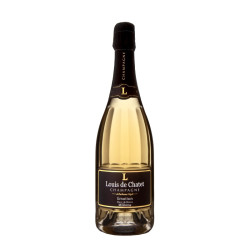
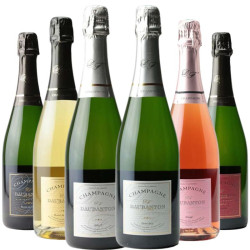
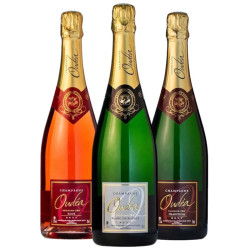
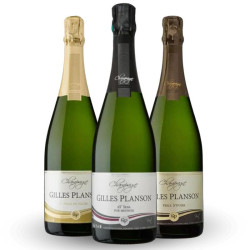
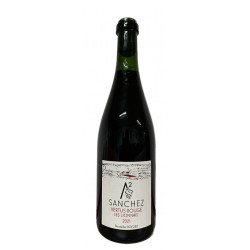
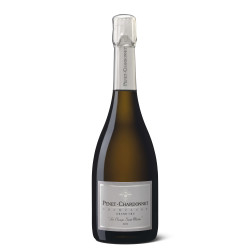
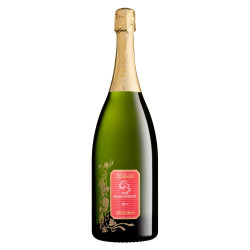
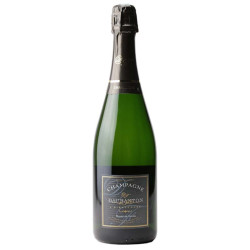
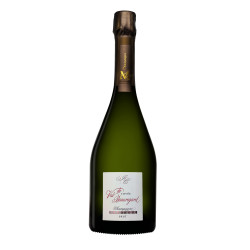
Penet-Chardonnet Grand Cru - Lieu-Dit "Les Champs Saint Martin" Extra Brut
LA MAISON PENET
Champagne
€166.00