Delivery from €16.90 per winemaker in Europe (excluding the United Kingdom)

Unbeatable !
WHAT IS A SULPHITE-FREE WINE ?
What Is a Wine Without Sulfites?
How to Differentiate Natural Wine or Sulfite-Free Wine from Traditional Wine
Creating a natural or sulfite-free wine means going back to basics! The term “natural wine” first emerged during the major strikes by vineyard workers in 1903 and 1904. Back then, it referred to producing wine "without artificial manufacturing." It wasn't until the 1950s that the natural wine movement truly took off, spearheaded by its spiritual father, Jules Chauvet, a négociant-éleveur and amateur chemist from Beaujolais. But what does it really mean?
In essence, a natural wine is a wine "without added sulfites," although sulfites naturally occur in wine. When grapes ferment, they produce sulfur dioxide, our infamous sulfite. Widely used in the food industry, especially in processed foods, this potent antiseptic can cause quite a headache.
To recap, a natural wine is one to which little or no additives, such as sulfites, are added during winemaking. Although no specific legislation exists yet, the Association of Natural Wines explains that a natural wine is an organic or biodynamic wine, made as naturally as possible. In other words, "nothing is removed, and nothing is added or only in homeopathic doses; ideally, human intervention is minimal, merely guiding the process."
How to Taste a Natural Wine?
Tasting natural wine is a different experience. Many would agree that it’s worth trying several times. If you notice a slightly off taste, like a hint of old eggs or even barnyard aromas, don’t worry—these are reduction smells due to a lack of aeration. You might also detect a "slight effervescence" when you sip the wine, but don’t panic; this is normal. Some winemakers add CO2 to protect their wines. To avoid these issues, decant your wine and give it a gentle shake.
Another important tip: natural wine should be stored at a maximum temperature of 15°C. Since it’s not stabilized by additives, excessive heat could reactivate fermentation.
Now it’s your turn! For a unique experience without breaking the bank, we recommend starting your journey with our selection.
Our nuggets
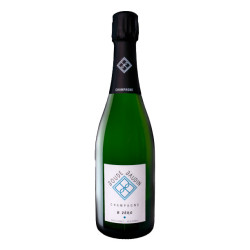
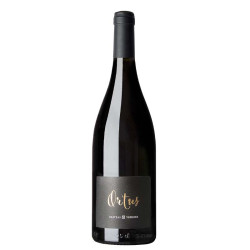
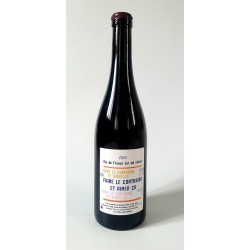
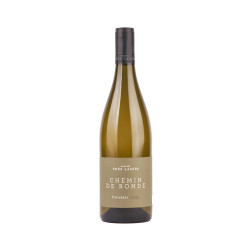
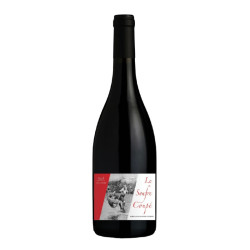
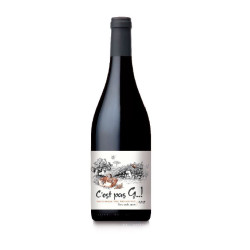
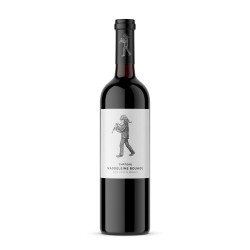
C’est pas G...!
Les Vignobles de Maxime - Tourteau Chollet, Grand Lartigue, Ferrand Lartigue
Bordeaux
€18.00