Delivery from €16.90 per winemaker in Europe (excluding the United Kingdom)

Unbeatable !
WHAT IS A MINERAL WINE?
What is a Mineral Wine?
Minerality is a relatively recent term in the wine vocabulary, and it is particularly controversial. Unlike tannins, acidity, or sweetness, which are measurable attributes of wine, minerality is primarily a sensation.
The Definition of Minerality in Wine
Minerality in wine is a difficult concept to define. To illustrate this difficulty, consider the sensation you experience when placing a metal spoon (silver, aluminum, etc.) in your mouth. This slightly "electrical" sensation is what minerality refers to.
Sensory Markers of a Mineral Wine
The definition of minerality cannot be reduced to just this sensation. Minerality in wine can also be perceived... through the nose!
How to Identify a Mineral Wine by Smell
Let your nose guide you, and think of the definition of minerality, which evokes minerals. Aromas that fall into the mineral category include smells of stones, flint, gunflint, oyster shells, and even petrol!
How to Identify a Mineral Wine by Taste
In terms of taste, minerality in a wine is identified by the "electrifying" and refreshing sensation it imparts in the mouth. This sensation is often associated with a particular acidity and a certain saltiness (saline impression).
What Causes Minerality in a Wine?
Minerality comes from the minerals in the soil. It is the aspect of the terroir that nourishes the wine with minerals and gives mineral wines their distinctive aromatic profile.
Thus, the origin of the wine largely determines its minerality.
Which Wines are Known for Their "Mineral" Qualities?
It is important to note that wines reputed for their minerality are usually made from aromatic white grape varieties. These grapes are typically vinified without barrel aging and usually do not undergo malolactic fermentation. This method is ideal for allowing mineral flavors to express themselves.
A well-known example is Riesling from Alsace. This grape variety is often recognized by a slight petrol or kerosene aroma, indicating a Riesling.
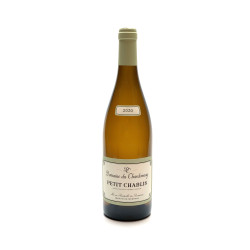
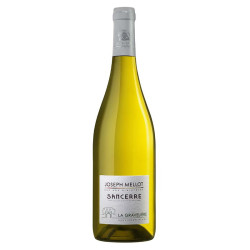
Even more famous are the white wines from Chablis in Burgundy and Sancerre from the Loire Valley (noted for gunflint and flint aromas).
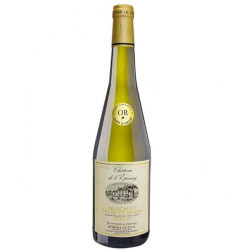
To complete the picture, we also recommend Muscadets from the Pays Nantais. These wines emphasize their minerality with a distinct salinity.
What Foods Pair Best with a Mineral Wine?
Mineral flavors are renowned for their perfect pairing with the iodized flavors of the sea. You may already know that a Chablis pairs excellently with oysters or a seafood platter. The same holds true for mineral wines in general. The best pairing with seafood dishes is a mineral and saline wine.
Mineral wines that are less saline but more aromatic, such as Riesling, are excellent with cheese platters.