Delivery from €16.90 per winemaker in Europe (excluding the United Kingdom)

Unbeatable !
WHAT IS THE DIFFERENCE BETWEEN A SWEET WINE AND A SYRUPY WINE?
Do you know the difference between a sweet wine and a syrupy wine?
SWEET WINE VS LIQUEUR WINE
It's not always easy to tell the difference between a sweet wine and a syrupy wine. Here are some tips to help you.
1) Sweet wine and syrupy wine: more or less sweet
The main difference between sweet and syrupy wines lies in their sugar content. A sweet wine can be considered as such when the quantity of residual sugars, i.e. sugars that have not been transformed into alcohol during fermentation, is between 10 grams and 45 grams of sugar per litre of wine. A sweet wine is said to exist when the ratio of residual sugars to wine alcohol exceeds 45 grams per litre. These different proportions influence the taste experience: a sweet wine is softer and offers a velvety sensation on the palate, while a syrupy wine is both sweeter and richer in alcohol.
2) Different winemaking methods
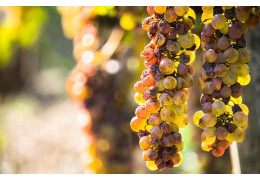
Since the ‘recipe’ for a sweet wine is not the same as that for a syrupy wine, the vinification method is also significantly different for these two types of wine. Sweet wines are made from grapes harvested when over-ripe. This is also the case for sweet wines, except that they can also be made from grapes that have undergone noble rot, i.e. fruit that has been affected by a fungus called botrytis cinerea. The action of this fungus creates a thin veil of yeast on the wine, concentrating the sugar and imparting particular aromas (walnut, curry), as in the case of vin jaune, the great wine speciality of the Jura.