Delivery from €16.90 per winemaker in Europe (excluding the United Kingdom)


IGP Saint Guilhem le Désert
In the south of France, the sun-drenched Languedoc-Roussillon vineyard covers more than 240,000 hectares from Nîmes to Leucate (Aude), making it one of the largest in the world. It includes the IGP Saint Guilhem le Désert. Between Pic Saint Loup and Mont Baudille, in the heart of the Hérault, IGP Saint Guilhem le Désert produces red, rosé and white wines. Syrah, Grenache and Carignan shape its reds, with notes of black fruit and garrigue, shipped from the estate.
Filtrer
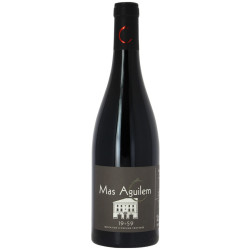

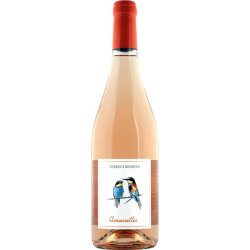
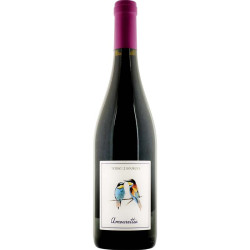
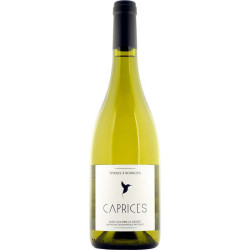
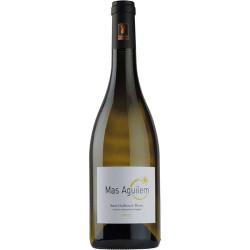
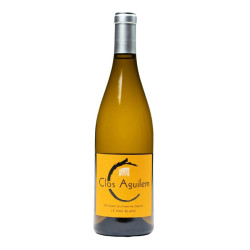
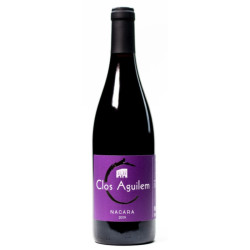
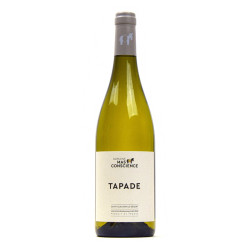
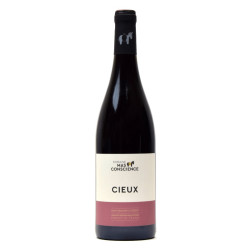
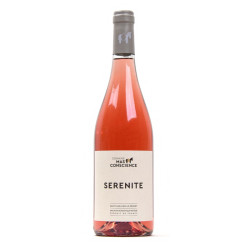
IGP Saint-Guilhem-le-Désert: from Pic Saint Loup to Mont Baudille, in the Hérault
History of the IGP Saint-Guilhem-le-Désert Appellation
The IGP Saint-Guilhem-le-Désert is a relatively recent appellation, recognized for the diversity and quality of its wines in the Languedocregion. Located in the heart of Hérault, this appellation is named after the famous village of Saint-Guilhem-le-Désert, listed among the most beautiful villages in France and recognized as a UNESCO World Heritage Site. The vineyard benefits from the Languedoc's winemaking heritage, a region where viticulture dates back to antiquity.
Climate and Terroir of the IGP Saint-Guilhem-le-Désert Appellation
Climate: Typically Mediterranean, with hot, dry summers and mild winters, the climate of IGP Saint-Guilhem-le-Désert also benefits from maritime breezes. These winds from the Mediterranean temper the intense summer heat and allow for slow and balanced grape ripening.
Soils: The terroir is varied, composed mainly of clay-limestone, schist, and sandstone soils. This geological diversity allows winemakers to grow a wide range of grape varieties, each expressing itself differently depending on the parcel.
Grape Varieties of IGP Saint-Guilhem-le-Désert
The IGP Saint-Guilhem-le-Désert permits a wide range of grape varieties, allowing for great diversity in wine styles. For red and rosé wines, the dominant varieties are Syrah, Grenache, Cinsault, Carignan, and Mourvèdre. These typically Mediterranean grapes are known for their ability to produce wines rich in black fruit aromas, spices, and garrigue (Mediterranean scrubland). The white wines of the appellation are mainly made from Chardonnay, Sauvignon Blanc, Vermentino, and Grenache Blanc. These varieties produce fresh, fruity, and sometimes mineral white wines with lovely acidity.
Style of IGP Saint-Guilhem-le-Désert Wines
Red wine: Featuring an intense purple color with violet reflections, these red wines exude complex aromas of black fruits such as blackberry and blackcurrant, accompanied by spicy notes of pepper and licorice. On the palate, they are full-bodied and well-structured, with soft tannins and a long finish. Depending on the estate and vintage, these red wines have good aging potential, with some bottles improving over 5 to 10 years.
Rosé wine: Pale pink with salmon reflections. Delicate and subtle, the nose offers aromas of strawberry, raspberry, and citrus (grapefruit). IGP Saint-Guilhem-le-Désert rosé wines are fresh and light, with a lively acidity that adds brightness.
White wine: The white wines of IGP Saint-Guilhem-le-Désert showcase a pale yellow color with golden highlights. The nose is expressive, with notes of white-fleshed fruits, citrus, and sometimes a floral touch. On the palate, these wines are balanced, offering a nice roundness and a slightly mineral finish.
Best Food and Wine Pairings with IGP Saint-Guilhem-le-Désert Wine
Here are some recipe ideas for the best food and wine pairings with a bottle of red, white, or rosé wine from a domain or château in IGP Saint-Guilhem-le-Désert:
White wine: Mussels marinière, grilled sardines, calamari fritters
Rosé wine: Tuna-stuffed turnovers, Caesar salad
Red wine: Bull rump steak, moussaka, spaghetti Bolognese
Frequently asked questions about IGP Saint Guilhem le Désert
Where is IGP Saint Guilhem le Désert?
IGP Saint Guilhem le Désert lies in the heart of the Hérault, between Pic Saint Loup and Mont Baudille. It is named after the village of Saint-Guilhem-le-Désert, a UNESCO World Heritage site.
Which grapes are used for IGP Saint Guilhem le Désert?
Reds and rosés from IGP Saint Guilhem le Désert are mainly based on Syrah, Grenache, Cinsault, Carignan and Mourvèdre. The whites come notably from Chardonnay, Sauvignon Blanc, Vermentino and Grenache Blanc.
What to serve with a Saint Guilhem le Désert wine?
A red Saint Guilhem le Désert goes with bull rump steak, moussaka or spaghetti bolognese. The white pairs with moules marinières, grilled sardines or fried squid, the rosé with a Caesar salad.
How long can you keep a red Saint Guilhem le Désert?
A red Saint Guilhem le Désert usually keeps for five to ten years, depending on the estate and the vintage. Rosés and whites are best drunk young, for their freshness.
What is the difference between an IGP and an AOC?
The difference between an IGP such as Saint Guilhem le Désert and an AOC lies first in the grapes. The IGP allows a wider choice, while the AOC rules on grapes and production are stricter.
Where can you buy IGP Saint Guilhem le Désert wine direct from the grower?
On Avenue des Vins, you buy IGP Saint Guilhem le Désert wine direct from the grower. Every bottle is shipped by the Hérault estate that made it, with no middleman, and delivered to your door.
Explore also: AOC Pic Saint Loup - AOC Terrasses du Larzac - IGP Pays d'Hérault