Delivery from €16.90 per winemaker in Europe (excluding the United Kingdom)

Unbeatable !
Vin jaune, vin de paille, Macvin: what are the differences?
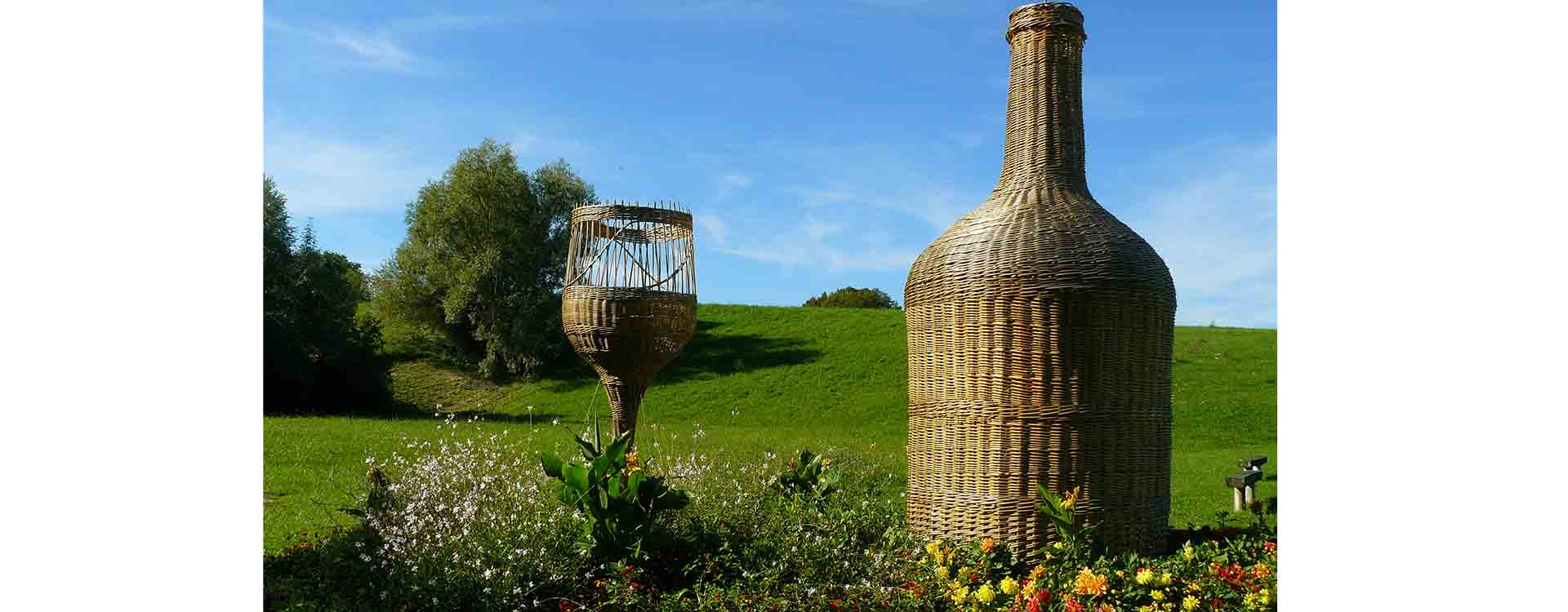
Vin jaune is a dry, powerful white aged under a veil of yeast; vin de paille is a rare sweet wine made from dried grapes; and Macvin du Jura is a fortified liqueur wine mutated with marc. Three Jura specialities with distinct uses: vin jaune with savoury dishes, vin de paille and Macvin with sweet dishes and as an aperitif.
If you have ever ventured into the Jura vineyard, you have surely heard of its most emblematic winemaking treasures: vin jaune, vin de paille and Macvin du Jura. Three wines whose names are well known to wine lovers, but which feature very different production methods, aromas and uses.
Vin jaune: a white wine unlike any other in the world
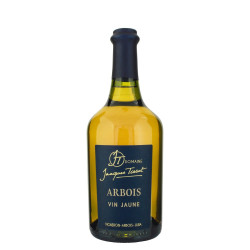
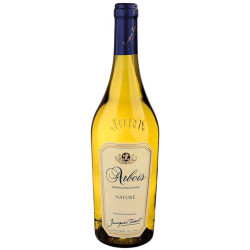
Produced exclusively in the Jura vineyard, vin jaune is a dry white wine with a golden robe, made from the Savagnin grape variety. It owes its name to its golden colour and to its very particular vinification process: after fermentation, the wine is left in barrels for 6 years and 3 months without topping up.
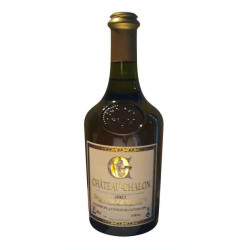
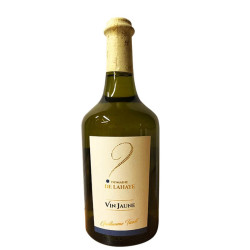
Vin jaune is renowned for its notes of fresh walnut, dried fruits, white flowers and spices. It is the perfect match for poultry with dried fruits, morel mushrooms or an aged Comté. This emblematic wine is bottled in a specific bottle called the clavelin, with a capacity of 62 cl.
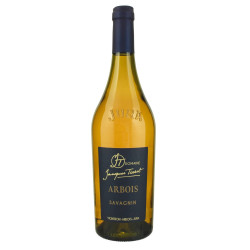
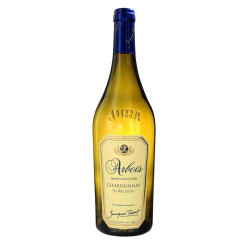
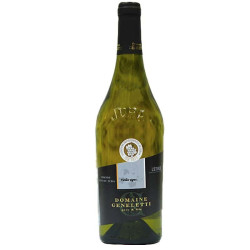
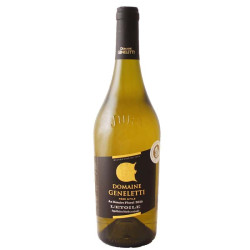
Our Jura wine selection : the Savagnins and vins jaunes from independent winemakers, delivered direct from the cellar at the estate price. See the Jura wines →
Vin de paille: sweetness and concentration
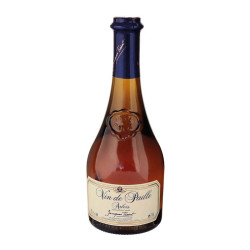
Vin de paille is a rare sweet wine, also called "wine from dried grapes". It is produced in the Jura from grapes dried naturally on beds of straw or wooden racks. This process concentrates the sugars and aromas, giving notes of dried fruits, fig, candied apricot and honey.
This sweet wine is ideal for accompanying foie gras, or a dessert based on fruit or dark chocolate.
Macvin du Jura: a singular liqueur wine
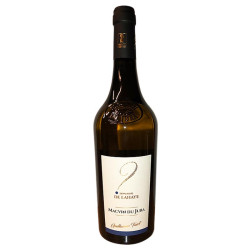
Less well known but just as typical, Macvin du Jura is a liqueur wine obtained by blending fresh grape must and Marc du Jura. It is not fermented, because the Marc du Jura stops fermentation by bringing an alcohol content above 16 degrees of alcohol.
Macvin can be red, rosé or white depending on the grape variety used. It is ideal as an aperitif or with dessert, pairing perfectly with blue-veined cheeses, chocolate or fruit-based desserts.
Vin de paille or vin jaune: how to choose?
Although they are often confused, these wines are very different. Vin jaune is a dry, powerful wine, ideal for complex savoury dishes. Vin de paille, by contrast, is a sweet, sugary wine, perfect for enhancing desserts.
Serving tips and food and wine pairings
- Vin jaune: Serve between 15 and 17 °C, decanted one hour in advance. Ideal with mushroom-based dishes, poultry in cream sauce, curry or aged Comté.
- Vin de paille: Serve chilled (8-10 °C). Perfect with foie gras, a fruity dessert or one based on dark chocolate.
- Macvin: Serve very chilled, as an aperitif or at the end of the meal. Goes well with powerful cheeses, melon or fruit-based desserts.
The wines of the Jura offer a palette of aromas as original as it is authentic. Whether you choose a vin jaune, a vin de paille or a Macvin, let yourself be guided by your desires and the occasions you want to celebrate.
Why buy direct from the winemaker? On Avenue des Vins, you order these Jura specialities directly from independent winemakers: estate price with no middleman, traceable vintage and bottles shipped from the estate's cellar.
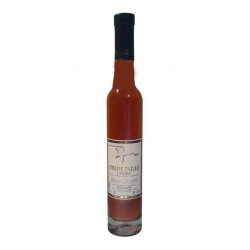
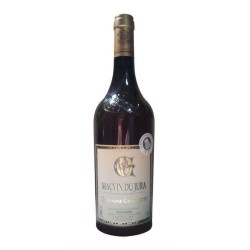
Want to taste the Jura? Vin jaune, vin de paille and Macvin from small estates, direct from the winemaker at the estate price. Discover Macvin du Jura →
FAQ - Vin jaune, vin de paille and Macvin du Jura
What is the difference between vin jaune and vin de paille?
Vin jaune is a dry white made from the Savagnin grape variety, aged six years and three months in barrel without topping up, which gives it its power and its walnut notes. Vin de paille is a rare sweet wine, made from dried grapes, soft and concentrated in sugars. One accompanies savoury dishes, the other sweet ones.
What is Macvin du Jura?
Macvin du Jura is a liqueur wine obtained by adding Marc du Jura to fresh grape must. This addition of alcohol prevents fermentation and preserves the grape's natural sugar. It is enjoyed chilled, as an aperitif or with dessert, and comes in red, rosé or white.
Why is vin jaune sold in a 62 cl bottle?
Vin jaune is bottled in a specific bottle, the clavelin, with a capacity of 62 cl. This volume corresponds to what is left of a litre of wine after six years and three months of ageing under a veil of yeast, the rest having evaporated. It is the only format authorised for this appellation.
At what temperature should vin jaune, vin de paille and Macvin be served?
Vin jaune is served between 15 and 17 °C, decanted one hour in advance to release its aromas. Vin de paille is enjoyed chilled, between 8 and 10 °C. Macvin du Jura is served very chilled, as an aperitif or at the end of the meal.
Which Jura wine should I choose for an aperitif?
For an aperitif, Macvin du Jura is the most natural choice: this liqueur wine, served very chilled, goes equally well with blue-veined cheeses and fruit-based desserts. Vin jaune, drier and more powerful, is better reserved for the complex savoury dishes of the meal.
Why buy your wine directly from the winemaker?
By ordering direct from the winemaker on Avenue des Vins, you pay the estate price, the cellar's price, with no middleman adding their margin. You benefit from vintage traceability and shipping from the estate's cellar, from independent winemakers hand-picked by our sommeliers.