Delivery from €16.90 per winemaker in Europe (excluding the United Kingdom)

Unbeatable !
Tout savoir sur le dosage en champagne
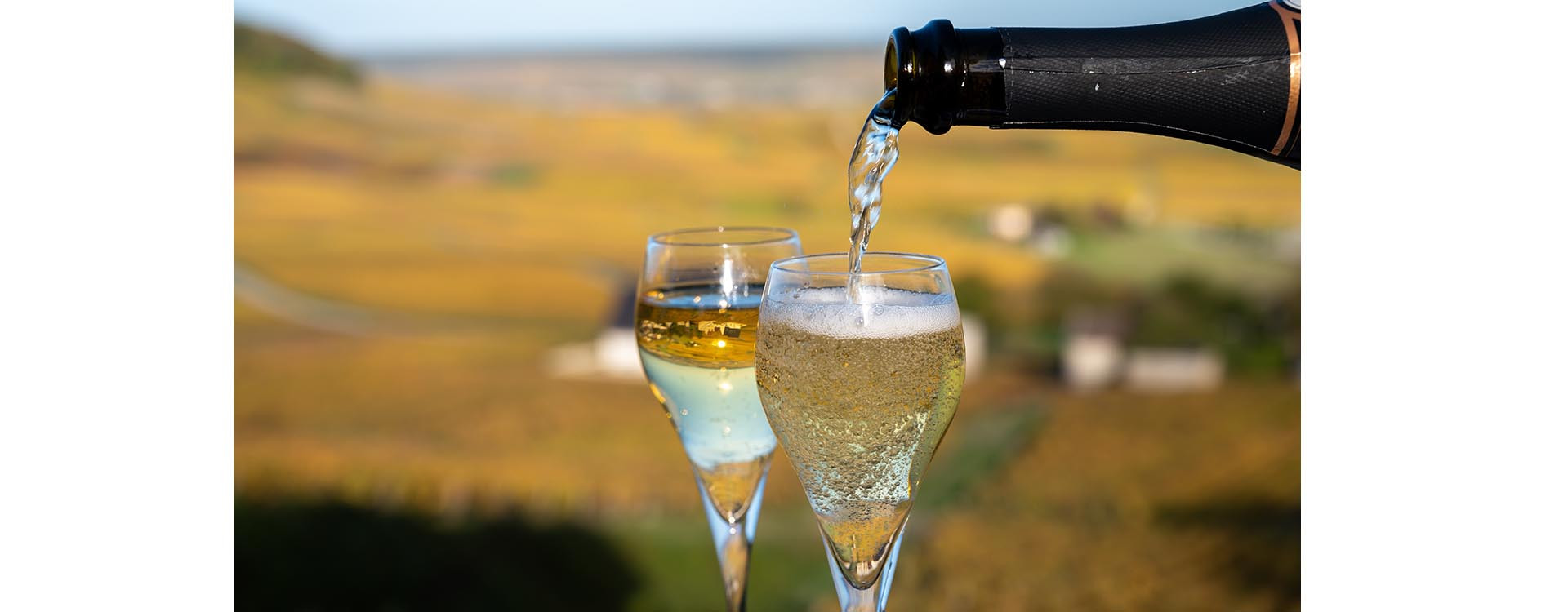
Everything You Need to Know About Champagne Dosage Champagne dosage is a crucial step in the production of this prestigious sparkling wine. Often unknown to the general public, it plays a decisive role in the taste and style of champagne. Between tradition and innovation, this practice consists of adjusting the sugar content of each bottle before it is marketed. But what exactly is champagne dosage? What are its effects, and how does it influence the tasting experience? Let’s explore the subtle art of champagne dosage together.
What is dosage in champagne?
Champagne dosage takes place after disgorging, a process that involves expelling the deposits accumulated in the bottle’s neck after the second fermentation. Once this deposit is removed, it is necessary to compensate for the loss of liquid by adding a dosage liqueur, also known as expedition liqueur. This liqueur is a precise blend of reserve wines and sugar, sometimes dissolved cane sugar.
The purpose of dosage is twofold:
● To replenish the volume lost during disgorging.
● To adjust the sugar level according to the desired type of champagne.
Each champagne house carefully guards the recipe for its dosage liqueur, which contributes to the uniqueness of its cuvées.
The Different Types of Dosage and Their Influence
Dosage is expressed in grams of sugar per liter of champagne and defines several categories:
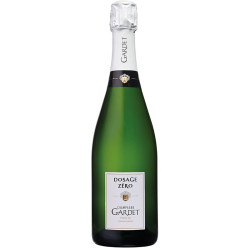
- Brut Nature (or "Zero Dosage"): 0 to 3 grams of sugar per liter, with no added sugar.
- Extra Brut: between 0 and 6 grams per liter.
- Brut Champagne: less than 12 grams per liter, representing about 95% of sales.
- Extra Sec: between 12 and 17 grams per liter.
- Sec: between 17 and 32 grams of sugar per liter.
- Demi-Sec: between 32 and 50 grams per liter, ideal for desserts.
- Doux Champagne: more than 50 grams per liter, very sweet and rarely produced today.
The choice of dosage has a direct impact on how champagne is perceived: a low-dosage champagne highlights the purity of its aromas, while a higher dosage softens its acidity and enhances its roundness.
A Trend Toward Lower Dosage
In the past, champagnes were very sweet, particularly in the 19th century, when it was common to add a sugar cube to one’s glass. Today, consumer preferences have shifted toward drier champagnes, allowing the terroir and grape varieties to be more expressive. Some houses, such as Champagne Louis Roederer, Champagne Francis Boulard, and Champagne Drappier, specialize in low-dosage or even zero-dosage cuvées. This trend reflects not only a quest for authenticity but also advancements in winemaking techniques, making it possible to achieve perfectly balanced wines without artificial enhancements.
How to Choose Your Champagne Based on Dosage
The type of dosage determines the best food pairings.
Here are some tips to perfectly match your champagne bottle:
- Brut Nature or Extra Brut Champagne: perfect as an aperitif, with seafood, shellfish, and iodine-rich dishes.
- Brut Champagne: pairs well with cold appetizers, fish, or a cheese platter with hard cheeses (e.g., Parmesan).
- Extra Sec Champagne: ideal with slightly spicy dishes or sushi.
- Demi-Sec Champagne: perfect with foie gras, fruity desserts, or chocolate-based sweets.
- Doux Champagne: rare but pairs well with sweet pastries.
Dosage in champagne is much more than just a final touch. It determines the balance between acidity and roundness, directly impacting the wine’s style and gastronomic pairings.
With the current trend toward lower-dosage champagnes, enthusiasts can discover pure and expressive cuvées that reveal the essence of the Champagne terroir. By better understanding sugar levels and the different types of dosage, you can confidently choose your bottle of champagne according to your preferences, the occasion, and the type of wine you enjoy.
Regardless of the sugar dosage, on Avenue des Vins, we offer a wide selection of champagne bottles, ranging from Extra Brut Champagne to dessert champagne, with home delivery.
Our nuggets
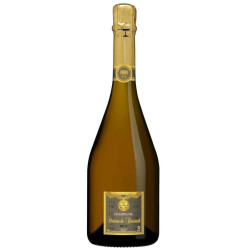
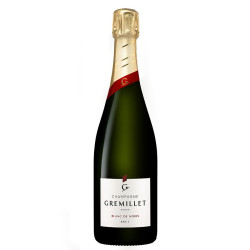
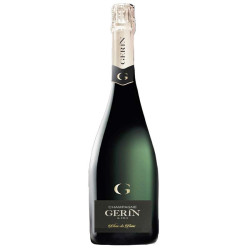
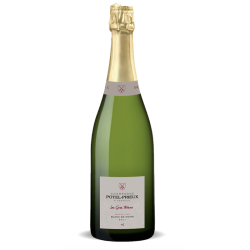
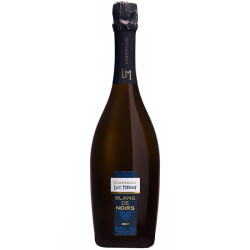
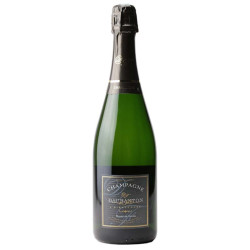
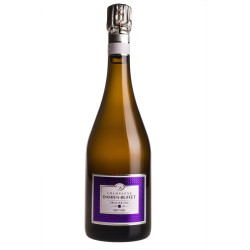
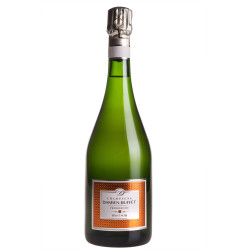
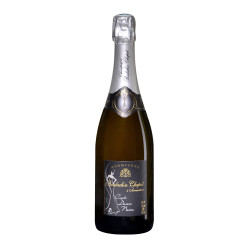
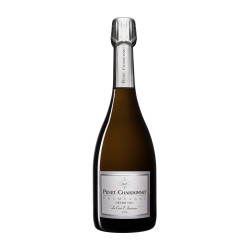
Penet-Chardonnet Grand Cru - Lieu-Dit "La Croix L'Aumonier" Extra Brut
LA MAISON PENET
Champagne
€166.00
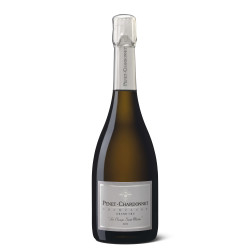
Penet-Chardonnet Grand Cru - Lieu-Dit "Les Champs Saint Martin" Extra Brut
LA MAISON PENET
Champagne
€166.00
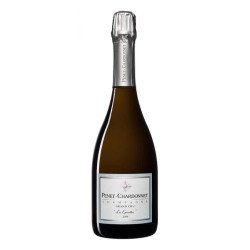
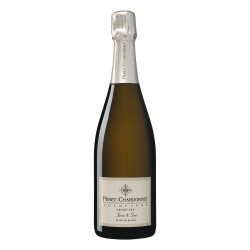
Penet-Chardonnet Grand Cru - Terroir & Sens Blanc de Blancs Extra Brut
LA MAISON PENET
Champagne
€98.00