Delivery from €16.90 per winemaker in Europe (excluding the United Kingdom)

Unbeatable !
WHAT ARE THE ALTERNATIVES TO CHAMPAGNE?
What Are the Alternatives to Champagne?
In the world of sparkling wines, three main opinions clash. There are the pro-Champagne enthusiasts, for whom any other sparkling wine is an affront to effervescence. Then there are the pro-outsiders, who believe that the tradition of Champagne should be demystified to highlight the many other terroirs where sparkling wines are increasingly excelling. And then there's us, who believe that every wine has its place.
No matter your stance among these three opinions, here’s a tour of French sparkling wines that aren't Champagne.
The Major Production Methods for Sparkling Wines
First and foremost, it's important to understand how Champagne is made and the different methods used to create sparkling wines.
From the oldest to the most recent, there are three main methods:
- The Ancestral Method: Originating the first sparkling wines in history.
- The Traditional Method: Also known as the Champagne method.
- The Charmat Method: Invented more recently, in 1907.
The Ancestral Method
The first method is justified by its age: it can occur naturally. The ancestral method involves bottling a wine whose fermentation was interrupted by cold temperatures. When the weather warms up, the fermentation finishes in the bottle, and the CO² generated during this process is trapped in the beverage.
The Traditional Method
The second method is what makes the Champagne region famous. This method controls the carbonation by bottling fully fermented wines, with the addition of sugar, yeast, and aged wine. It involves triggering a second fermentation in the bottle.
The Charmat Method
The last method works on the same principle as the traditional Champagne method but in very large closed tanks. The difference is that the yeast cells die during fermentation and settle at the bottom of the tank (known as lees), making less contact with the wine. The contact between the wine and the lees is what gives sparkling wines made by the traditional method their distinct yeasty, pastry-like flavor. Sparkling wines made in closed tanks have fewer yeast notes and allow more fruit aromas to shine.
The Different Types of Sparkling Wines and Their Flavor Profiles
Thus, we naturally find three main families of sparkling wines. Wines made using the traditional method are primarily Champagnes and Crémants. Their flavor is influenced by the grape varieties used in their production and the length of time the wines spend in contact with their lees before disgorging (a process to remove the lees; to learn more, check out our article on the traditional method).
Wines made using the ancestral method are much lighter for two reasons. First, the fermentation that transforms grape juice into wine is the same as the one that turns wine into sparkling wine. Unlike the Champagne method, additional yeast and sugar are not added to a finished wine. Thus, the alcohol content is much lower (on average, around 8%). The wine doesn't spend much time in contact with its lees.
Wines made using the Charmat method, finally, have a "classic" alcohol level but are much more marked by fruit flavors than Champagnes and Crémants due to their limited contact with lees. The most famous example isn't French, but Italian: Prosecco.
Our Selections of Alternatives to Champagne
For Crémants, we highly recommend the iconic Vouvray (Chenin Blanc) from the Loire Valley, Crémants from Alsace, and Crémants from Jura. Burgundy also offers excellent examples. Unlike Champagne, Crémant doesn't require fifteen months on lees. To find Champagne-like flavors, look for a Crémant that has aged extensively on its lees. Alternatively, try a well-known producer to taste the flavor profile of a sparkling wine with minimal lees aging.
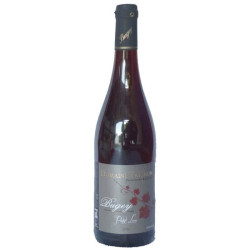
For the ancestral method, we recommend trying the oldest sparkling wine in France: Limoux méthode ancestrale. Or explore Bugey with a Cerdon du Bugey (often rosé sparklings).
Our nuggets
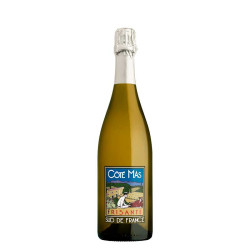
Côté Mas Cru Pezenas - Terroir Fusionnel
CHÂTEAU PAUL MAS - DOMAINES PAUL MAS
Languedoc Roussillon
€12.00
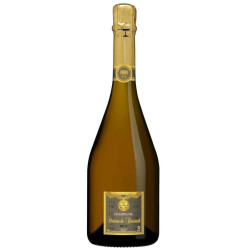
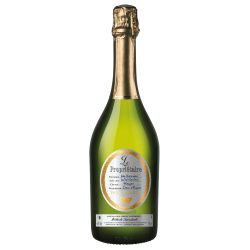
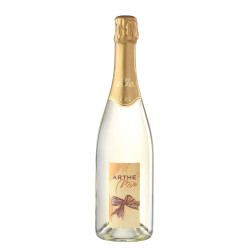
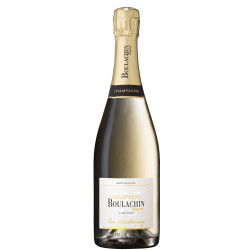
CHÂTEAU GODARD BELLEVUE 2017
LES VIGNOBLES ARBO - Château Godard Bellevue - Château Puyanche
Bordeaux
€12.50
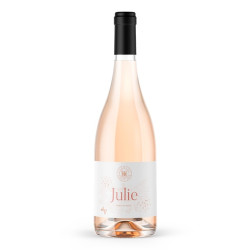
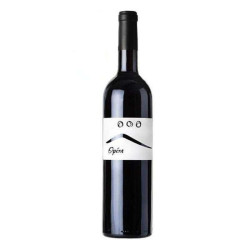
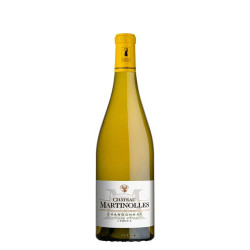
Cuvée Limoux Blanc Vieilles Vignes
CHÂTEAU DE MARTINOLLES - DOMAINES PAUL MAS
Languedoc Roussillon
€13.90
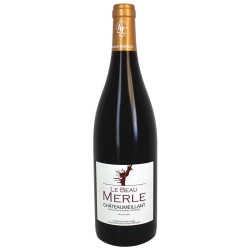
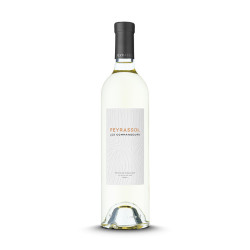
Cuvée Commanderie de Peyrassol White
Maison Austruy - Commanderie de Peyrassol
Provence Alpes Côte d'Azur
€16.50
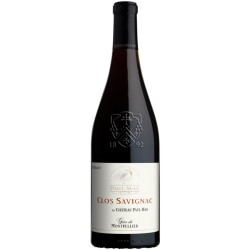
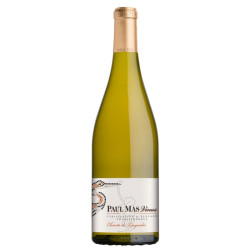
Château Paul Mas "Clos de Savignac"
CHÂTEAU PAUL MAS - DOMAINES PAUL MAS
Languedoc Roussillon
€18.50
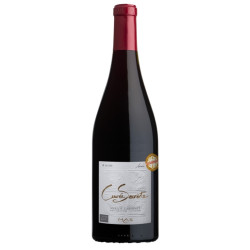
Cuvée Secrète Clairette du Languedoc -
CHÂTEAU PAUL MAS - DOMAINES PAUL MAS
Languedoc Roussillon
€9.50
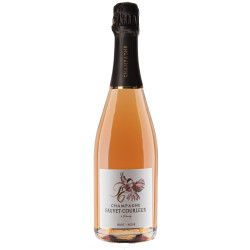
Château Tourteau Chollet
Les Vignobles de Maxime - Tourteau Chollet, Grand Lartigue, Ferrand Lartigue
Bordeaux
€38.00

C’est pas G...!
Les Vignobles de Maxime - Tourteau Chollet, Grand Lartigue, Ferrand Lartigue
Bordeaux
€18.00
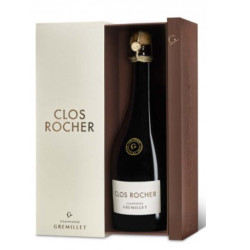
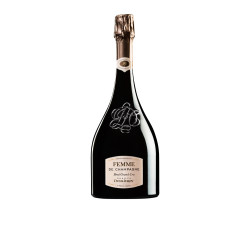
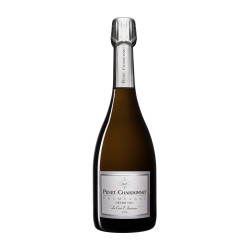
Penet-Chardonnet Grand Cru - Lieu-Dit "La Croix L'Aumonier" Extra Brut
LA MAISON PENET
Champagne
€166.00
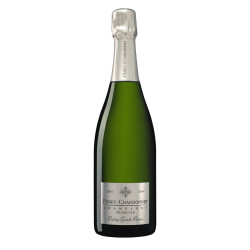
Penet-Chardonnet Grand Cru - Prestige Grande Réserve Multimillésime
LA MAISON PENET
Champagne
€135.00
Coffret Découverte Tourteau Chollet
Les Vignobles de Maxime - Tourteau Chollet, Grand Lartigue, Ferrand Lartigue
Bordeaux
€80.95
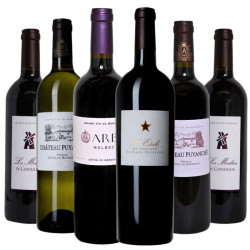
Coffret Découverte Arbo
LES VIGNOBLES ARBO - Château Godard Bellevue - Château Puyanche
Bordeaux
€72.99
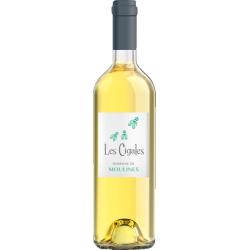
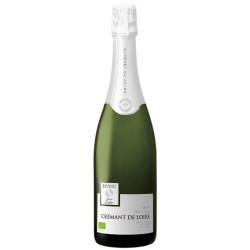
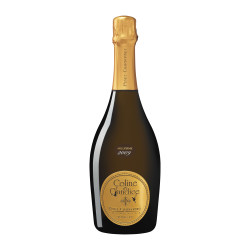
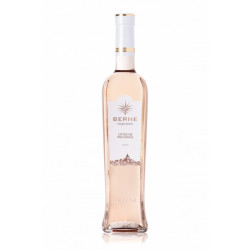
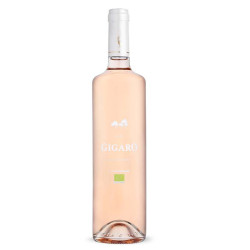
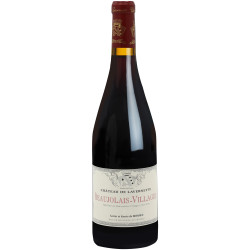
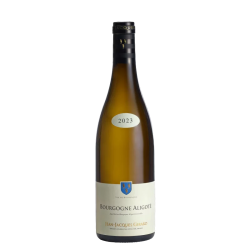
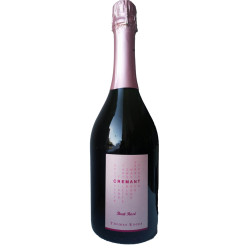
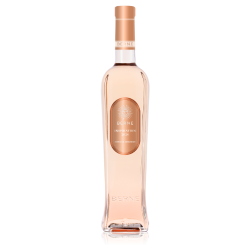
Côtes de Provence Inspiration Bio Château de Berne
CHÂTEAU DE BERNE
Provence Alpes Côte d'Azur
€16.90