Delivery from €16.90 per winemaker in Europe (excluding the United Kingdom)

The Sommelier's Tips
Oenology: How to Interpret a Wine's Color ?
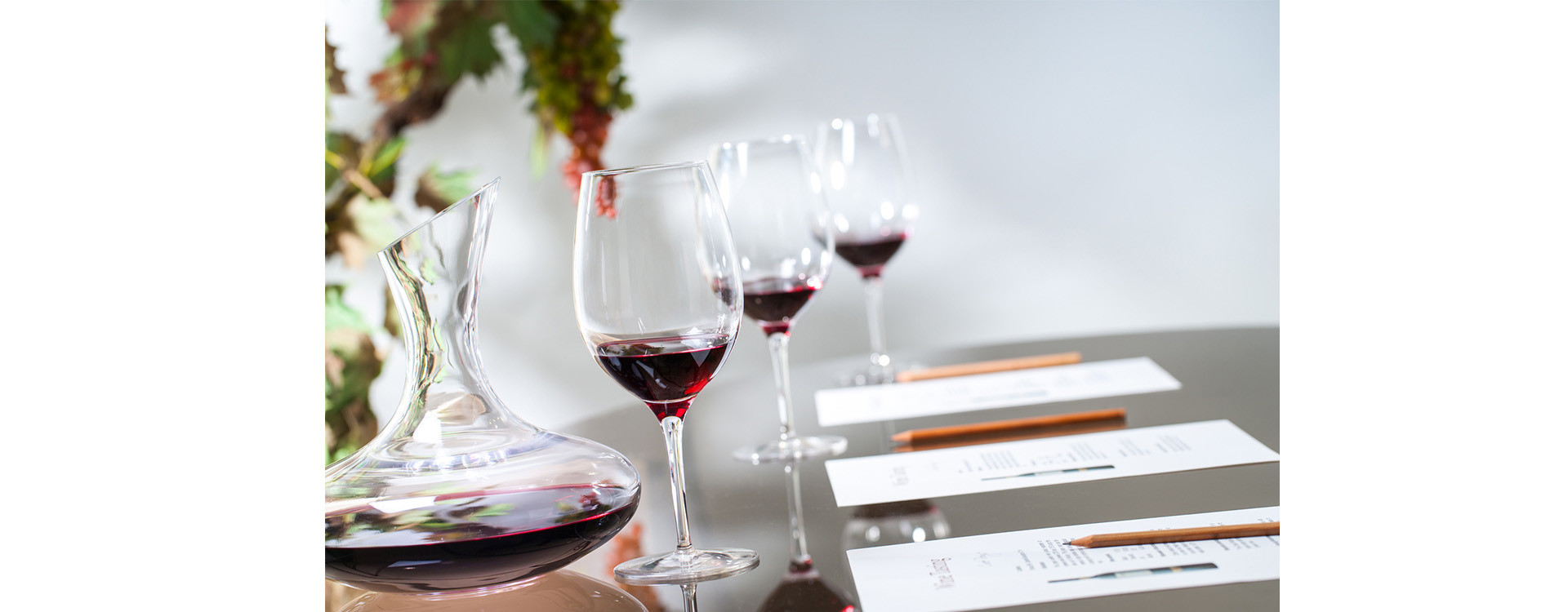
Oenology: How to Interpret a Wine's Color?
Wine is perceived through three senses: sight, smell, and taste. These are referred to as color, bouquet, and flavors. The greatest wine tasters use a careful exploration of all these signals to identify a wine's particularities, its distinctive signals, or simply to enjoy the winemaker's work and the terroir’s fruit.
We often hear about the aromas and flavors of wines, frequently noted on our favorite bottle labels. However, the visual aspect of tasting is often relegated to a simple mention: light color, garnet color, etc. This is a mistake, as the visual aspect holds numerous clues about the wine you're tasting.
What is a Wine's Color?
A wine's color consists of all the visual signals that characterize the wine when it’s in your glass. It is defined by:
- Clarity: Some wines are cloudy while others are perfectly clear. Most wines are clear but can also show faults or be intentionally unfiltered (e.g., natural wines).
- Color: Wine can be white, red, or rosé, but each of these can display a range of colors. For instance, a red wine may appear violet or brownish.
- Intensity: Colors can be more or less opaque. A wine can be garnet red and transparent, or garnet red and opaque, for example.
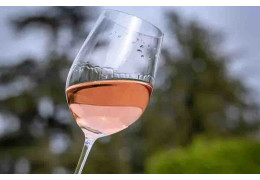
- Meniscus: The meniscus is the curved part at the edge of the liquid. When you tilt your glass, the ring formed by the wine’s edge can be completely transparent or golden.
- Thickness and Pigmentation: These are detected by swirling the glass and observing the droplets that descend along the glass, known as "legs" or "tears."
How to Interpret?
While the color provides valuable clues about the wine, it can't give you the vintage, the appellation, or the specific cru by mere visual examination. Aromas, bouquet, acidity, and all other tasting signals are necessary to identify the grape varieties.
The color helps identify two main parameters:
It Indicates the Age of a Wine
As a wine ages, whether white or red, its color evolves. Red wines transition from purple, ruby, and garnet to more brownish hues. White wines turn golden and become more amber. The meniscus, which is clear like water in young wines, also turns golden with age (both red and white). While careful examination of the color won’t reveal the vintage, it can indicate whether a wine is young, maturing, or old.
It Provides Information on the Wine’s Body
The opacity of a wine and the thickness of its legs are two criteria that help identify the wine's body. However, body can be attributed to various factors that are difficult to discern by sight alone.
For red wines, an opaque color indicates a likelihood of pronounced tannins. This generally suggests a tannic grape variety and potential aging in oak barrels. Thick legs on red wines may indicate residual sugars or high alcohol content.
For white wines, opacity is rarer. When it occurs, it often has an amber aspect and indicates age or pronounced sweetness. Marked legs on a white wine will also suggest a full body, which may be due to high sugar or alcohol content. White wines aged in oak barrels and those undergoing malolactic fermentation will also be fuller-bodied than other white wines. These clues help differentiate mineral white wines from rounder white wines and sweet white wines.
Our nuggets
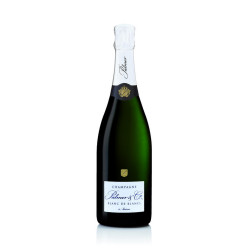
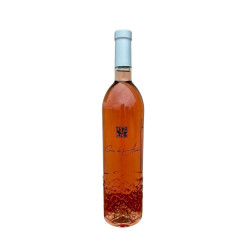
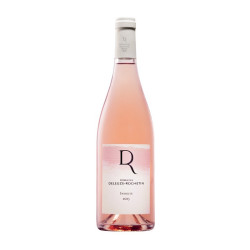
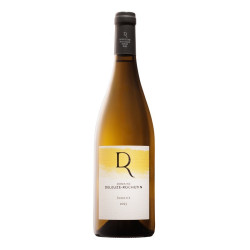
Penet-Chardonnet Grand Cru - Terroir & Sens Blanc de Blancs Extra Brut
LA MAISON PENET
Champagne
€98.00
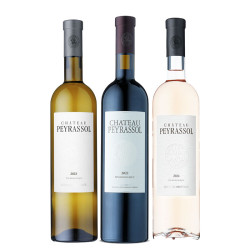
Coffret Château Peyrassol
Maison Austruy - Commanderie de Peyrassol
Provence Alpes Côte d'Azur
€69.00
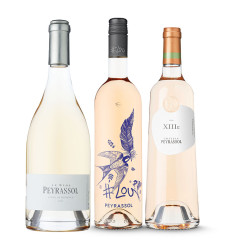
A la découverte du Rosé Peyrassol
Maison Austruy - Commanderie de Peyrassol
Provence Alpes Côte d'Azur
€68.00
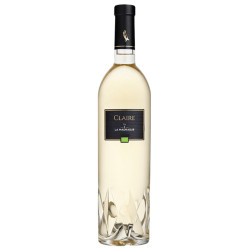
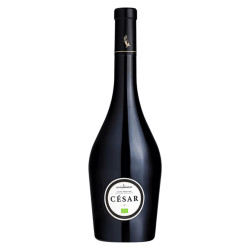
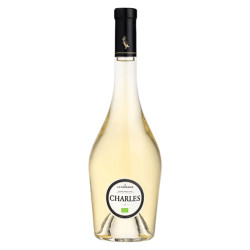
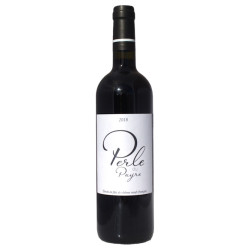
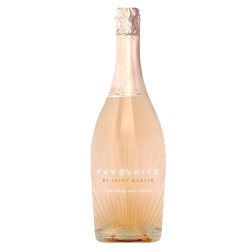
Favorite Sparkling Rosé – Désalcoolisée 0%
Château de Saint-Martin
Provence Alpes Côte d'Azur
€29.90
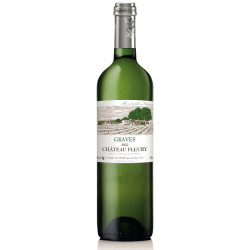
Château Fleury 2022 Graves blanc sec - Vignobles Olivier Fleury
Les Vignobles Olivier Fleury
Bordeaux
€36.00
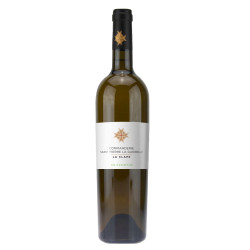
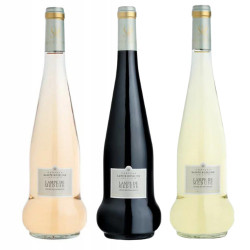
Commanderie Saint Pierre La Garrigue - Cru d'Exception Blanc
Domaine de Marmorières
Languedoc Roussillon
€32.00
Commanderie Saint Pierre La Garrigue - Cru d'Exception Rouge
Domaine de Marmorières
Languedoc Roussillon
€32.00
Commanderie Saint Pierre La Garrigue - Cru d'Exception Rosé
Domaine de Marmorières
Languedoc Roussillon
€16.00