Delivery from €16.90 per winemaker in Europe (excluding the United Kingdom)

Unbeatable !
What are the different large formats of wine and champagne?
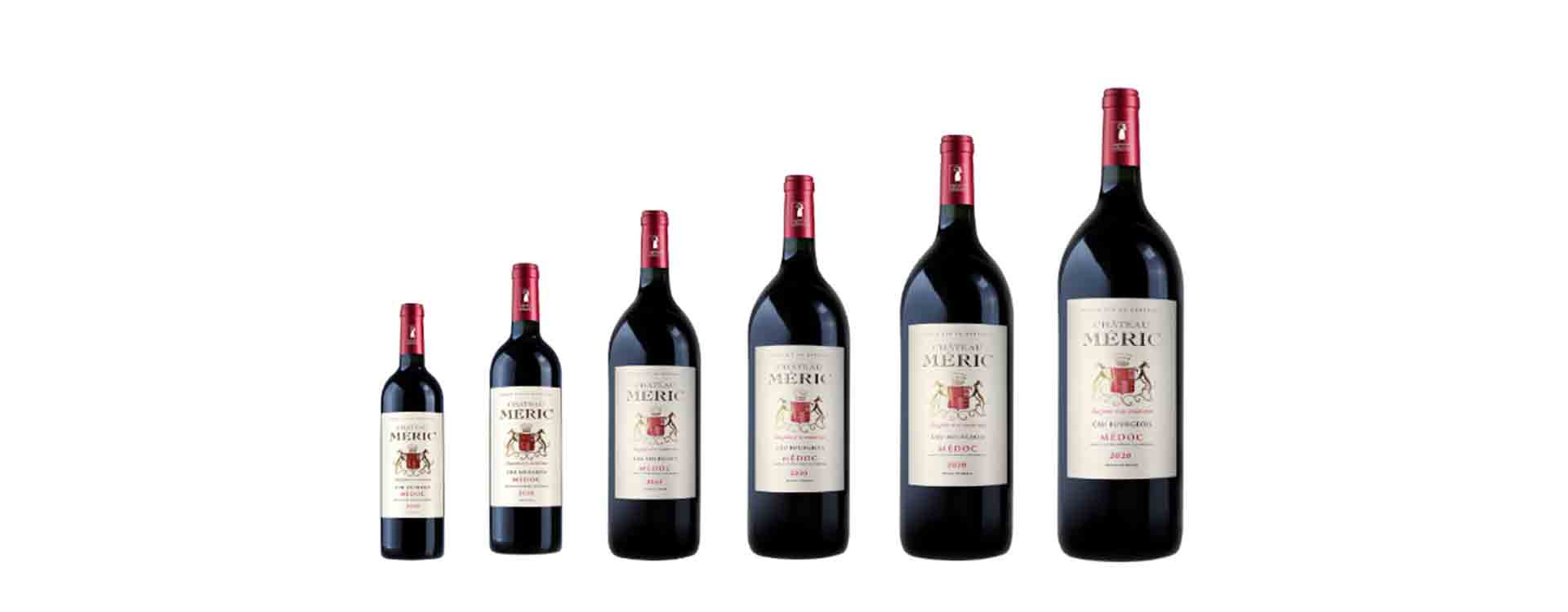
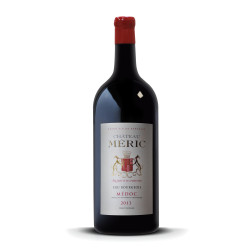
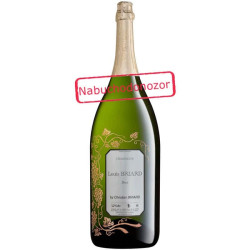
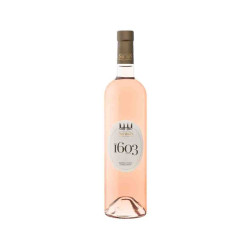
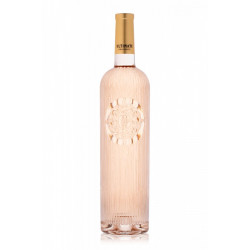
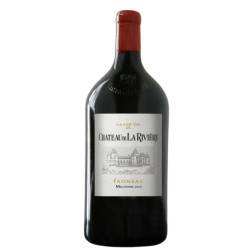
The standard bottle holds 75 cl, but wine and champagne come in many large formats: magnum (1.5 L), jeroboam, methuselah, salmanazar, balthazar and nebuchadnezzar. The larger the volume, the more slowly the wine ages and the more complexity it gains. These generous bottles are made for big gatherings and make fine cellaring pieces, bought direct from the winemaker at estate price.
The different wine and champagne bottle formats
While the standard bottle holds 75 cl, there are many formats suited to special occasions. Here is an overview of the main bottle formats:
In champagne:
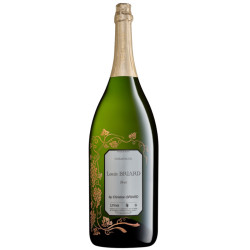
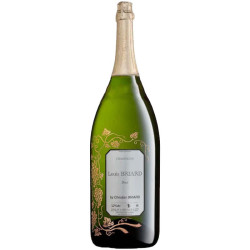
- Magnum (1.5 L): equivalent to two 75 cl bottles.
- Jeroboam (3 L): that is four bottles, perfect for large gatherings.
- Methuselah (6 L): represents eight bottles of wine, often used for major events.
- Salmanazar (9 L): holding the equivalent of twelve bottles.
- Balthazar (12 L) and Nebuchadnezzar (15 L): impressive formats prized for large receptions.
In wine (Bordeaux):
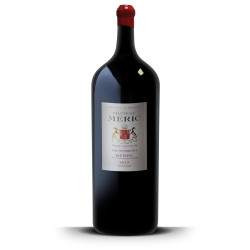
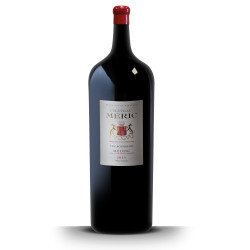
- Magnum (1.5 L): an ideal format for ageing wine.
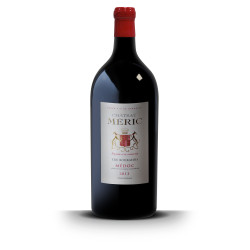
- Double Magnum (3 L): that is two bottles in the Magnum format.
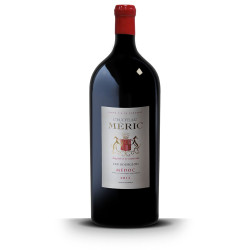
- Jeroboam (4.5 L): that is six standard wine bottles.
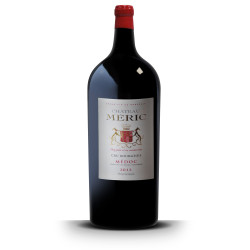
- Imperial (6 L): the equivalent of the Methuselah in Bordeaux.
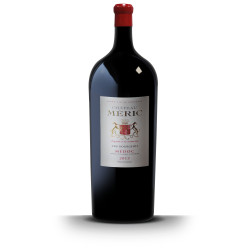
- Salmanazar (9 L): a genuine 9 L giant.
- Balthazar (12 L) and Nebuchadnezzar (15 L): very large prestige formats.
The names of these large bottles often have their roots in biblical history, where kings and prophets inspired the names of these prestigious formats. Other, even larger formats exist but are very rare. Among them are the Melchior, the Solomon, the Sovereign, the Goliath (or Primat), and the Melchizedek.
Our selection of large formats, magnums and celebration bottles, comes straight from the winemakers and houses, at estate price. See the large formats →
Why choose a large format?
Ageing
Large formats are not only spectacular, they also affect how the wine keeps and matures. Thanks to a better ratio between the liquid and the oxygen trapped under the cork, the wine ages more slowly and harmoniously, giving greater aromatic complexity. This means that wines stored in magnum or jeroboam develop more subtle aromas and a more balanced structure over the years.
Special events
Large formats are especially prized for festive occasions such as weddings, christenings, birthdays or other notable celebrations. Their generous capacity makes it possible to serve a large number of guests while adding a touch of prestige to the reception. Opening a jeroboam or a methuselah during an event creates a spectacular and convivial effect, making the moment all the more memorable.
Quality of the bubbles
For champagne lovers, the champagne magnum is known for enhancing the effervescence and preserving the freshness of the bubbles for longer. Some great names, such as Champagne Agrapart or Champagne Besserat, offer collections of champagnes specifically crafted for these formats. These bottles also allow gradual tasting throughout a meal without loss of quality, unlike standard bottles that go flat more quickly after opening.
Investment
Finally, large formats make an excellent investment. Many collectors and lovers of great wines value their rarity and their ability to improve with time. Some houses offer limited editions in large format, which makes them pieces sought after by enthusiasts and investors.
How do you serve a large format?
Serving a large format of wine or champagne sometimes calls for a little preparation to get the best from it. First of all, it is essential to pay attention to the serving temperature. For a champagne magnum, plan for an ice bucket large enough to immerse a good part of the bottle and ensure even chilling. For a red wine, bring it gradually to the ideal temperature by exposing it to a cool room rather than placing it directly in the refrigerator.
Serving can be more delicate than with a standard bottle because of the weight and imposing size of large bottles. To make pouring easier, it is advisable to ask for help in order to keep a steady grip. In the case of young red wines, decanting beforehand will allow their aromas to be fully revealed. Finally, while opening a methuselah or a nebuchadnezzar during an event adds a spectacular touch, make sure the bottle is handled with care. These large formats sometimes require the use of cork pliers to avoid damaging the neck when opening.
Where can you buy large formats?
Large formats are not always available in supermarkets and sometimes require a minimum purchase from specialist wine merchants or renowned champagne houses. Many producers also offer a range of champagnes in large formats to meet the expectations of champagne lovers. Some online wine retailers such as Avenue des Vins offer many large-format wines.
Why buy direct from the winemaker? On Avenue des Vins, every magnum or large format leaves the winemaker's cellar or the champagne house directly, at estate price, with no middleman adding a margin. You know where the bottle comes from, its vintage is traced, and the bottle travels from the cellar to your table.
Opting for a large format of wine or champagne is a choice that is as much about looks as taste. Whether for the pleasure of cellaring, for a gift or to impress your guests, these XXL bottles offer a unique experience. Remember to choose the right magnum or jeroboam format according to the event and the type of wine, and make the most of our selection of large wine and champagne bottles, with home delivery.
Fancy a magnum for your next celebration? Find wines and champagnes in large formats, shipped from the producer's cellar. See the magnums →
FAQ - Large wine and champagne formats
What is the capacity of a magnum, a jeroboam and a methuselah?
A magnum holds 1.5 L, the equivalent of two 75 cl bottles. The jeroboam is 3 L in champagne (four bottles) and 4.5 L in Bordeaux (six bottles). The methuselah reaches 6 L, the equivalent of eight standard bottles.
Why does wine keep better in a large format?
In a large format, the ratio between the volume of wine and the oxygen trapped under the cork is more favourable. The wine therefore evolves more slowly and gains aromatic complexity over the years. That is why the magnum is often sought after for cellaring.
How many people can you serve with a large format?
A magnum (1.5 L) serves about 12 glasses, a 3 L jeroboam around twenty, and a 6 L methuselah around forty. These volumes make them formats suited to weddings, birthdays and large gatherings.
How do you serve a champagne magnum at the right temperature?
Plan for an ice bucket large enough to immerse a good part of the bottle and obtain even chilling. For a large-format red wine, bring it gradually to temperature in a cool room rather than in the refrigerator, and decant young reds before serving.
Which large format should you give for an event?
The magnum remains the most versatile format for a gift or a smaller celebration. For a large reception, a jeroboam or a methuselah creates a striking effect. The choice depends on the number of guests and the type of wine, whether a red for cellaring or a champagne.
Why buy your wine directly from the winemaker?
By ordering through Avenue des Vins, you buy at estate price, the price set by the winemaker at the cellar, with no middleman. The vintage is traced, the bottle is shipped from the estate's cellar, and you support independent winemakers hand-picked for their large formats.