Delivery from €16.90 per winemaker in Europe (excluding the United Kingdom)
-
- Great Offer
-
Our wines
-
-
By colors
-
All the wines
-
-
-
All Regions
-
-
-
-
Our organic & natural wines
-
-
Our Champagnes & Spirits
-
-
All Champagnes
-
-
Spirits
-
All the spirits
-
-
-
Our winemakers
-
-
-
winemakers
-
-
- Guide me
-
Our advice and selections
-
-
Find your wine
-
-
-
- Our commitment !

-
- Great Offer
-
Our wines
-
-
By colors
-
All the wines
-
-
-
All Regions
-
-
-
-
Our organic & natural wines
-
-
Our Champagnes & Spirits
-
-
All Champagnes
-
-
Spirits
-
All the spirits
-
-
-
Our winemakers
-
-
-
winemakers
-
-
- Guide me
-
Our advice and selections
-
-
Find your wine
-
-
-
- Our commitment !
Error!
Filtrer
Cépage : Grape variety : Muscaris
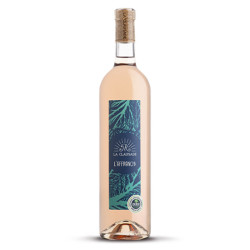
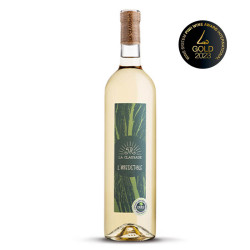
Muscaris: Origins and Unique Characteristics of This Exceptional Grape Variety
Muscaris, a highly aromatic white grape variety, is the result of modern viticultural research. Created to resist diseases and thrive in various climates, this grape stands out for its rich aromatic profile and distinctive character. Used to produce dry, sweet, or sparkling white wines, it presents a great alternative for lovers of modern and eco-friendly grape varieties. Discover the origins, terroirs, and aromatic qualities of Muscaris, along with our tips for the best food and wine pairings with this innovative grape.
Description and Origins of Muscaris
Muscaris is a white grape variety obtained from a cross between Solaris and Muscat Blanc à Petits Grains. Developed in Germany in 1987, it was designed to resist fungal diseases, thereby reducing the need for phytosanitary treatments. Among the most well-known disease-resistant varieties (though still quite rare) are Artaban, Floréal, Souvignier Gris, Soreli, Coliris, and Selenor. Highly suited for organic and sustainable viticulture, Muscaris is characterized by early ripening and moderate yields. Thanks to its Muscat genes, it develops an intense aromatic palette reminiscent of muscat-type grapes while maintaining a delightful freshness.
Main Terroirs Where Muscaris is Grown
Muscaris is primarily cultivated in Germany but is gradually making its way into French vineyards, particularly in Languedoc and certain regions in the Southwest. The vineyards of the IGP Pays d’Oc and a few other French appellations are adopting it for its natural resistance and its ability to thrive in warm and temperate climates. This grape variety is also gaining popularity in other European countries such as Austria, Switzerland, and the Netherlands, where it is often vinified organically or using biodynamic methods.
Aromatic Characteristics of Muscaris
Muscaris in a Dry White Wine:
- Appearance: Pale yellow color with silver reflections.
- Nose: Intense aromas of exotic fruits (lychee, mango), white flowers (jasmine, orange blossom), and a muscat-like hint.
- Palate: Fresh and lively, with a beautiful tension. Fruity flavors dominate, accompanied by an elegant floral finish.
Muscaris in a Sweet White Wine:
- Appearance: Deep golden color.
- Nose: Scents of honey, candied fruits (apricot, pineapple), and a hint of spice reminiscent of cinnamon.
- Palate: Ample and smooth, with a balanced sweetness and delicate acidity.
Best Food and Wine Pairings with Muscaris
Here are some recipe ideas to create the best food pairings with a bottle of dry or sweet white wine made from Muscaris:
- Onion tart (IGP Côtes de Gascogne Blanc)
- Salmon gravlax (Vin de France Blanc Sec)
- Semi-cooked foie gras (IGP Pays d’Oc Moelleux)
- Spinach and ricotta ravioli (IGP Cité de Carcassonne Blanc Sec)
- Apricot and almond tart (IGP Côtes de Gascogne Moelleux)
Muscaris is a modern grape variety that combines innovation with an exuberant aromatic profile. It captivates with its versatility and ability to produce fresh, expressive wines that respect the environment. Discover our selection of Muscaris-based wines now on Avenue des Vins and let yourself be charmed by our bottles, sourced directly from the vineyard or château of your choice.