Delivery from €16.90 per winemaker in Europe (excluding the United Kingdom)
-
- Great Offer
-
Our wines
-
-
By colors
-
All the wines
-
-
-
All Regions
-
-
-
-
Our organic & natural wines
-
-
Our Champagnes & Spirits
-
-
All Champagnes
-
-
Spirits
-
All the spirits
-
-
-
Our winemakers
-
-
-
winemakers
-
-
- Guide me
-
Our advice and selections
-
-
Find your wine
-
-
-
- Our commitment !

-
- Great Offer
-
Our wines
-
-
By colors
-
All the wines
-
-
-
All Regions
-
-
-
-
Our organic & natural wines
-
-
Our Champagnes & Spirits
-
-
All Champagnes
-
-
Spirits
-
All the spirits
-
-
-
Our winemakers
-
-
-
winemakers
-
-
- Guide me
-
Our advice and selections
-
-
Find your wine
-
-
-
- Our commitment !
Error!
Filtrer
Cépage : Grape variety : Gamay
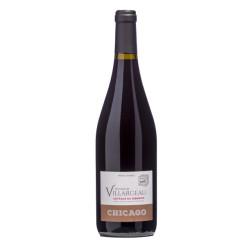
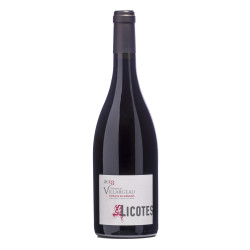
Gamay: origins and particularities of this grape variety
An emblematic grape variety of the Beaujolais region, Gamay is a very old red grape variety mentioned since the Middle Ages! Planted mainly in France, Gamay is a grape variety that is characterized by its freshness and its unrivaled fruitiness, very appreciated during the Beaujolais nouveau. However, it would be a shame to summarize Gamay with primeur wines, because this red grape variety also produces complex and deep red wines in the Beaujolais crus, but also in the Loire, Savoie and even Burgundy. Follow our guide and discover everything you need to know about Gamay through its history, its aromatic particularities and its essential appellations. Also find in this article, all our advice for making the best food and wine pairings with red or rosé wines made with Gamay.
Description and origins of this grape variety
A red grape variety with white juice inseparable from the Beaujolais vineyard, Gamay actually has its origins in Burgundy. Indeed, Gamay is said to have taken its name from the village of Saint-Aubin, in Côte de Beaune, and is said to have come from the cross between two grape varieties: Pinot Noir and Gouais Blanc. However, while Gamay was very present in Burgundy in the Middle Ages, in 1395 Philip the Bold, then Duke of Burgundy, ordered Gamay to be uprooted, as far as Mâcon, in favor of Pinot Noir. This act, motivated by a fear concerning the excessive productivity of Gamay, had the consequence of reserving Gamay for Beaujolais (and to a lesser extent for Mâconnais). The success and quality of Beaujolais wines quickly motivated other vineyards, such as the Loire Valley to plant Gamay.
The main terroirs where Gamay is grown in France
Mainly planted in France and Switzerland, Gamay is the grape variety of Beaujolais par excellence, where it is the only grape variety authorized to produce red wine. The Beaujolais region only produces rare white wines made from Chardonnay, the Beaujolais vineyard is composed of 99% Gamay! Thus, in addition to the red and rosé wines produced in regional and primeur appellations, Beaujolais has 10 crus: AOC Saint-Amour, AOC Juliénas, AOC Chénas, AOC Moulin-à-Vent, AOC Fleurie, AOC Chiroubles, AOC Morgon, AOC Régnié, AOC Côte-de-Brouilly, and AOC Brouilly. These appellations only produce 100% Gamay red wines, demonstrating all the complexity and aging potential of this grape variety that is sometimes wrongly criticized. Gamay thrives mainly in relatively cool climates and infertile soils. This is why, apart from Beaujolais, Gamay is also present in the Loire Valley (Touraine and Anjou), in Burgundy (Mâconnais), in Savoie, in the Rhône (AOC Châtillon-en-diois), and even in the South-West in the primeur wines of Gaillac!
Aromatic characteristics of Gamay
Vinified as a single-varietal in the red and rosé wines of Beaujolais, Gamay is also used in the blends of certain red and rosé wines from the Loire, Savoie and Bugey.
Gamay in red wine:
Appearance: Medium-intensity ruby red colour with purple highlights
Nose: Aromas of red and black fruits (fresh strawberry, cherry, redcurrant, raspberry), flowers and sometimes spices in certain vintages.
Palate: In most vintages, the palate is supple, fresh, delicious and fluid. However, in certain vintages such as Morgon or Moulin-à-vent, Gamay produces more intense and structured wines that gain in complexity after a few years of aging.
Gamay in rosé wine:
Appearance: Clear pale pink colour
Nose: Aromas of red fruits, flowers and English sweets.
Palate: both tender and fresh, the best Gamay rosés have a profile that combines liveliness and lightness.
The best food and wine pairings with Gamay
Discover our advice for creating the best food and wine pairings with a bottle of red or rosé wine made from Gamay, across the best appellations in France:
● Do you need a wine to enhance marinated peppers or a Niçoise salad? Dare to try a bottle of rosé wine made from Gamay with a tender and fruity character. You will find what you are looking for in certain appellations of the Loire or Beaujolais. Let yourself be seduced by their aromas of fresh fruit and their finely acidulated palates on cooked vegetables.
● If you want to accompany a beef tournedos or a sirloin steak with porcini mushrooms, opt for a bottle of red wine from an AOC Moulin-à-vent or AOC Morgon estate. These Beaujolais wines, characterized by their structure and depth, will certainly enhance your red meat or game recipes with their velvety tannins and notes of red and black fruits, pepper and undergrowth.
● For a food and wine pairing with marinated pork ribs or veal paupiettes, choose a Beaujolais red wine in AOC Chiroubles or AOC Beaujolais-villages. These appellations offer a beautiful balance between fruitiness and finesse, ideal for revealing your white meat recipes.
Do you want to know a little more about Gamay? To do this, there's nothing like tasting a small vintage! Whether you choose a bottle of red or rosé wine from Beaujolais made from Gamay, or from any other region of France, discover our wines at the best price! Indeed, on Avenue des vins, we have a wide selection of white, red, rosé and champagne wines directly from the estate or château of your choice.